Brazil, a vast mosaic of cultures, landscapes, and histories, offers each traveler an authentic immersion into a universe where majestic shores and surprising realities coexist. Through the captivating gaze of renowned artist Elza Lima, this region reveals its many facets: between ancestral traditions, effervescent modernity, and environmental challenges. The figure of Elza Lima, with her work rooted in Brazilian culture, becomes a symbol of this quest for identity, while paying tribute to the richness of its local artisans and the diversity of its natural landscapes. Exploring her works, we discover not only the beauty of the country, but also the crucial issues related to ecotourism, heritage preservation, as well as the need to understand the complex reality that shapes this nation. This journey through Brazil thus reveals a land of contrasts, partly shaped by its emblematic shores, but above all by the indomitable spirit of its inhabitants. An immersion in a vibrant culture, an exploration of its challenges, and a tribute to an artist whose unique vision illuminates this infinite diversity.
Elza Lima, an emblematic figure of the Brazilian cultural landscape
Elza Lima has established herself as a leading figure in the Brazilian art scene. Her biography reflects a career marked by a constant passion for visual exploration and a deep respect for her roots. Born in a small town on the banks of the Amazon River, she was quickly drawn to the vitality of the territory and the indomitable mentality of its inhabitants. Her work, both artistic and committed, captures the daily lives of the riverside communities, blending a sensitive perspective with subtle social criticism. Brazilian culture, in all its richness, finds a faithful reflection in her creations. She evokes traditional craftsmanship, which remains a source of inspiration for her compositions, while emphasizing the importance of preserving this know-how in the face of global standardization. Her work is not limited to simple aesthetics: it also aims to raise collective awareness of environmental issues. Her influence now transcends borders, making her an ambassador for the country’s cultural and ecological diversity. The richness of his works embodies a true symbiosis between the riverbanks and the contemporary reality of Brazil.

LECTURE SUGGÉRÉE
Dive into history: a photographer reveals the secrets of a former military base through urban exploration
Summary Introduction: An Unconventional Visual Exploration Abandoned sites attract a growing audience, eager to discover…
LIRE L'ARTICLE
Brazil’s iconic landscapes: between majestic riverbanks and ecological challenges
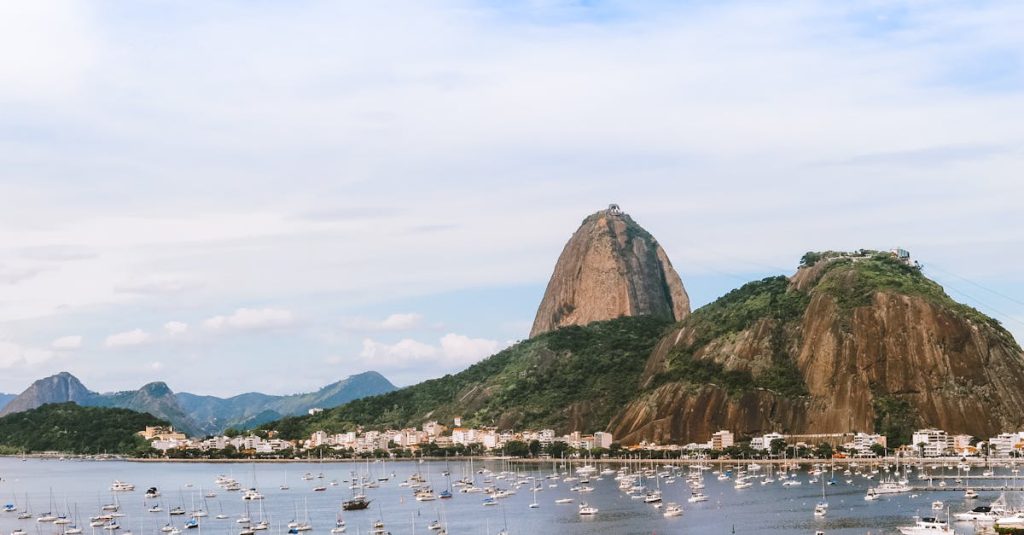
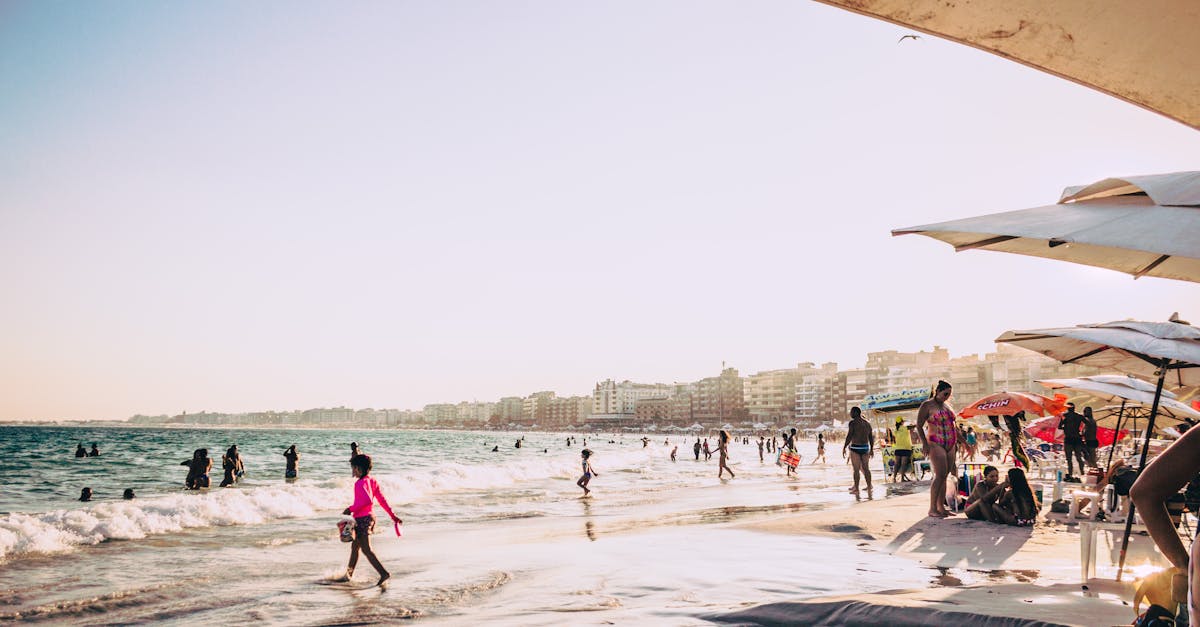
The Brazilian territory, dotted with impressive shorelines, constitutes a true natural setting. From the vast Atlantic coasts bordering the Northeast to the estuaries of the Pantanal, each place tells a story shaped by water and nature. Guanabara Bay, for example, embodies both the iconic beauty of Rio de Janeiro and the challenges of pollution. The Amazon rainforest, the green lung of the planet, is battling massive deforestation, threatening the unique biodiversity of this region. The banks of the São Francisco River reveal an indelible heritage, while facing critical water management issues. The ever-expanding ecotourism community seeks to combine responsible development with respect for indigenous ecosystems. To understand the impact of these transformations, a summary table of these landscapes and issues is useful:
| Iconic Location | Strengths | Main Challenges |
|---|---|---|
| Guanabara Bay | Natural Beauty, Major Tourist Site | Pollution, Excessive Urbanization |
| Amazon Rainforest | Biodiversity, World Heritage | Deforestation, Logging |
| São Francisco River | Support for Local Agriculture | Water Management, Pollution |
Brazilian Culture and Its Multiple Artistic Expressions
Brazilian culture permeates every aspect of daily life through a mosaic of artistic expressions. Music, combined with captivating dances like the samba, remains a powerful vector of national identity. Festivals such as the Rio Carnival attract millions of visitors each year, revealing the sense of celebration and community spirit of this society. Traditional crafts, particularly the making of ceramics, textiles, and jewelry, bear witness to ancestral know-how, often passed down from generation to generation. Brazilian literature, rich in authors such as Machado de Assis and Clarice Lispector, offers a vision of the world between realism and introspective depth. Painting, meanwhile, has been distinguished by key figures such as Tarsila do Amaral and Emiliano Di Cavalcante, who have successfully represented the country’s vitality while questioning its social issues. These expressions blend in a vibrant dialogue, where each work tells a part of the collective story. The consumption of culinary art, particularly through local cuisine, also constitutes a strong link with the cultural heritage of each region. Ethnic and geographic diversity finds a tireless voice here, consolidating Brazil’s plural identity, a true laboratory of creativity. If you wish to delve deeper into this diversity, it is useful to consult this article on Brazilian literature and its relationship to travel: link.

Indian women who weave their destiny through the art of photography
In the rich world of Indian photography, a new generation of artists is emerging, skillfully blending tradition and modernity. These…
CONTINUER LA LECTURE
The challenges of ecotourism and heritage preservation
While Brazil’s wild landscapes and endless shores are captivating, its ecotourism initiatives demonstrate a commitment to reconciling development and respect for the environment. The growth of ecotourism is part of a desire to enhance its natural sites while limiting human impact. Innovative programs now offer activities that respect ecosystems, such as rare bird watching or visiting indigenous reserves. Local tourism management must be accompanied by an effort to raise awareness among the local population to avoid commercialization that could distort culture and habitats. The preservation of heritage, whether architectural or movable, remains a crucial issue. Some regions, such as Salvador and Ouro Preto, have implemented ambitious restoration projects in partnership with local artisans. The challenge is to preserve these sites while making them accessible and vibrant. Community participation is becoming a key element in this approach, ensuring that residents benefit from this enhancement without suffering any negative impacts. To learn more about sustainable tourism in Brazil, see this article: link.
A window on perception through Brazilian photography
Photography is a privileged medium for capturing Brazil’s uniqueness. It also reveals the diversity of its realities, even though the image can sometimes mask social issues. Artists such as Salgado have written an essential page in this visual narrative, capturing the cruelty, resilience, and beauty of this country. Their committed perspective, bordering art and reportage, offers a powerful testimony. For example, the series devoted to favelas and isolated rural areas allows us to observe daily life in all its complexity. Encounters with local artists, such as Elza Lima, who blend photography and social engagement, enrich this dialogue. Exhibitions such as those presented during the Festival Présences Photographie demonstrate the power of images to spark collective awareness. Institutions such as the BNF and Clicovia showcase these works through exhibitions and catalogs, allowing us to better understand Brazilian society in its constant flux. Photography, by questioning perception, becomes an essential tool for exploring the complexity of this multifaceted nation.
Frequently Asked Questions about Traveling to Brazil
- What is the best time to visit Brazil? The dry season, from April to October, generally offers ideal conditions for exploring the landscapes and participating in local festivals like Carnival.
- What are the main challenges of sustainable tourism in Brazil? Managing tourist flows, preserving natural sites, and community participation are at the heart of the issues.
- How to travel responsibly in Brazil? By prioritizing ecotourism, respecting local traditions, and supporting local crafts, each traveler can contribute to a beneficial experience for all.
- What are the must-sees? The Amazon rainforest, the Pantanal, Rio de Janeiro, Salvador, and the south of the country offer unique panoramas and experiences.
Source: www.liberation.fr