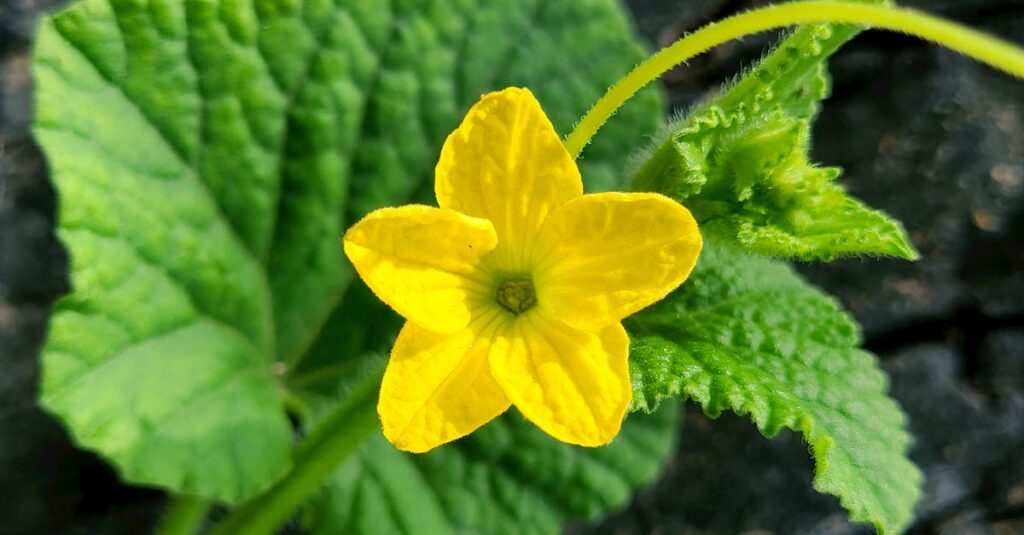
Since the dawn of photography, capturing the ephemeral beauty of flowers has always fascinated artists and amateurs. In 2025, where floral photography is becoming increasingly sophisticated thanks to technological innovations and a heightened awareness of biodiversity, the challenge is no longer simply to immortalize a petal but to reveal all the botanical vibrancy hidden behind each floral burst. The “Flowers of France” bear witness to the rich heritage and natural diversity, while concepts like “The Art of Flowers” and “Jardin d’Images” reinforce the rise of floral photography as a true visual language. While this year’s photo competition aims to select the best representation of floral beauty, it also invites a fine technical and artistic exploration, combining scientific precision and artistic creativity. The palette of petals opens up to the imagination, but it is the entire art of capture that must be expressed to reveal the extent of this “Floral Elegance” that seduces as much as it inspires. In this way, flower photography becomes a true sensory journey, a journey where every detail, every shade of color, and every tilt of light plays a crucial role in capturing the splendor of this miniature nature. Reaching these heights requires more than just a click. A fine mastery of techniques, a deep understanding of light, and a patient exploration of perspectives become essential, all with a constant focus on revealing floral beauty in its purest essence. In 2025, when flower photography is emerging as an art form in its own right, this article aims to reveal the secrets and tips of an expert to optimize each image and thus secure victory in this coveted competition. Discover the art of floral photography with tips and techniques for capturing the beauty of flowers. Awaken your creativity and learn to immortalize the delicacy of petals and the richness of colors. A biography rich in passion: when observing the sky meets a passion for flowers.

Explore the enchanting world of flower photography, where each petal tells a story. Discover tips, techniques, and inspiration for capturing floral beauty in all its splendor.
Essential Techniques for Enhanced Flower Photography in 2025
LECTURE SUGGÉRÉE
Guide to Ideal Image Dimensions for Instagram
To shine on Instagram, the key lies in the aesthetics of your content, and that…
LIRE L'ARTICLE
9 Tips for Photographing Flowers
allows you to master these techniques and achieve shots that are both artistic and technically flawless. Key Techniques Description
| Practical Tips | Light Management | Use soft natural light to reveal vibrant colors |
|---|---|---|
| Photograph at dawn or dusk | Precise Focus | Use manual focus to capture fine details |
| Use Live View mode for greater precision | Creative Composition | Use different angles for a unique look |
| Explore from high or low angles | Discover the art of flower photography, where each petal and color captures the beauty of nature. Learn techniques and inspiration to enhance your floral shots. | Tips for mastering floral composition and lighting |

Choose a neutral background or one that harmonizes with the flower’s main color
Use leading lines to guide the eyeExperiment with different angles to reveal the unique texture Opt for soft, diffused light to reveal subtle details
Ten essential accessories to immortalize your travels in photography
Summary In the world of travel photography, the quality of the images revealed depends as much on the photographer’s eye…
CONTINUER LA LECTURE- Avoid visual overload, favor elegant simplicity
- The essential tools for top-notch floral photography in 2025
- A photographer passionate about floral art must equip themselves with the right equipment to optimize each shot. Modernity, in 2025, offers a range of tools ranging from high-performance mirrorless cameras to AI-assisted editing software. Selecting a macro lens remains essential to capture the finesse of each petal, while accessories like diffusers or reflectors allow you to soften and direct the light as needed. Stabilizing the camera, using a lightweight tripod, ensures optimal sharpness, especially when shooting in low light or with long exposures. The ability to control your equipment settings, particularly shutter speed, aperture, and ISO sensitivity, allows you to adapt your shot to all types of conditions. Many designers are now turning to AI-based editing software, such as that offered by Adobe, to refine each detail or enhance the palette of petals, without falling into artificial overload. The quest for optimal equipment shouldn’t lead us to lose sight of the artistic dimension; on the contrary, each tool must serve the beauty and elegance of flowers. By leveraging these innovations, it becomes possible to capture sublime nature images while respecting the purity of botany. For specific equipment resources, it’s helpful to consult
- the advice of a flower photography expert.
- Essential Tools
Description
Recommendations CameraHybrid or DSLR with high resolution and macro capability
| Macro-compatible lens, built-in stabilizer | Macro lens | Captures fine details, veins, and textures |
|---|---|---|
| Focal length between 60 and 100 mm, variable aperture | Lighting Accessories | Diffusers, reflectors, LED lamps for controlled luminance |
| Focus on soft light, avoid harsh shadows | Editing software | AI-based software to enhance or adjust the palette |
| Adobe Lightroom, Photoshop with AI plugins | Trends to follow for remarkable floral photography in 2025 | The field of floral photography in 2025 is evolving rapidly, blending tradition and innovation. The most striking trend undoubtedly remains this search for authenticity: images that capture nature in its spontaneity, far from excessive artifice. Emphasis is also placed on the integration of technology, notably the use of drones to explore new perspectives on botanical gardens or sometimes inaccessible floral landscapes. Augmented reality is also transforming the visual experience: some exhibitions now offer 3D or augmented reality views of flower collections, encouraging us to rethink how we photograph and present floral beauty. At the same time, the DIY (do it yourself) trend is seeing the emergence of autonomous techniques where photographers create their own lighting elements or accessories, making each shot unique. Mastering these trends requires constant curiosity and an ability to blend artistic tradition with technical innovation. Finally, the desire to respect the environment translates into conscious photography, favoring moments of the day when natural light enhances nature, without systematic recourse to artificial retouching. The key is to capture the intangible, the botanical vibrancy of a precise moment, while remaining faithful to the authenticity of the Flowers of France. To explore these trends further, consult resources such as this comprehensive guide to flower photography. |
| https://www.youtube.com/watch?v=_ALvdwHoZ3U | FAQ on Capturing the Beauty of Flowers: Tips and Recommendations | What is the best time to photograph flowers? |
The best lighting is usually found at dawn or dusk, when soft light enhances colors and textures without creating harsh shadows.
How can I avoid unwanted reflections on the petals? Use a polarizing filter or position the subject at an angle that minimizes these reflections, often by playing with natural or diffused light.What settings should I choose for macro photography? Opt for an aperture between f/2.8 and f/8 to balance sharpness and background blur, with an appropriate shutter speed to avoid motion blur. How can I capture the transparency and translucency of petals? Use an indirect or diffused light source, playing with natural transparency to bring out the botanical vibrancy.What elements make up a good floral arrangement? The balance of colors, the use of negative space, and an original perspective that highlights the texture and finesse of the flowers.