
In the vast and enchanting world of photography, mastering framing and composition is essential to bringing your images to life. This challenge is an invitation to explore these two fundamental elements that transform a simple shot into a captivating work of art. Every framing decision impacts the viewer’s perception, while thoughtful composition tells a story. Prepare to refine your artistic eye and develop your expertise through this exciting challenge, where every shot is an opportunity to reveal your creativity and unique vision. In this first installment of our series, we explore the art of framing and composition in photography. This challenge aims to help you develop your artistry and strengthen your skills through enriching and engaging practices. Through simple exercises, you will learn how to transform simple images into powerful works by playing with lines, shapes, and space in your photos. The Fundamentals of Photography Framing and composition form the foundation of photography. They not only help you define the space in your photo, but also convey a particular emotion or message. By mastering these techniques, you’ll be able to tell a captivating story through each image. Here, the goal is to step out of your comfort zone and discover new ways to showcase your subjects. Simplify – The Art of Framing The rendering of an image can often be improved by simplifying its content. Imagine you’re drawing a window through which you observe the world. In this challenge, the idea is to simplify your framing: don’t show your entire subject, but instead choose a part that catches the eye. For example, cropping a turquoise car just at the edges of the frame makes the photo more intriguing and mysterious. Explore Framing Options There are many ways to approach framing. If your subject is off to one side, you can crop it to the far right or left. However, if you choose a center-framing approach, make sure each element is carefully arranged to give your photo visual balance. Experimenting with different angles and positions can reveal interesting and unexpected perspectives.
The Ideal Distance The distance between you and your subject is crucial in shooting. A bold composition may require getting closer to capture details and expressions. However, it’s essential to consider the impact of cropping your subject. Just as zooming in on a face can accentuate emotion, leaving an entire scene out of the frame can also create a sense of mystery. Bold Framing Bold framing is often the most memorable. Filling the image with part of your subject can create greater visual intensity. You can deliberately choose to show only a small part of an object or person, which often leads to a better connection between the viewer and the photograph. For example, showing a detail of a flower or the outline of a face can inject dynamism into your work. Inspiration and Practice

LECTURE SUGGÉRÉE
Complete Guide to Photography Tutorials – Check Out Our Blog
Dive into the fascinating world of photography with our comprehensive tutorial guide. Whether you’re a…
LIRE L'ARTICLETo sharpen your creativity, it’s important to add a dose of inspiration. Don’t limit yourself to traditional techniques. Explore new photography styles that emphasize framing and composition from different angles. Look around you, observe shapes and patterns, and don’t hesitate to delve into various resources like tutorials or image-sharing platforms that might inspire you in your journey. You know where to find them, so pay attention to their dimensions and visual presentation.
Next Challenge: Discovering Shapes Ready for the next challenge? In two weeks, we’ll be offering you a new exercise on geometry, called “Discovering Shapes Through the Lens.” Get ready to discover new perspectives and integrate geometric shapes into your photography. Remember, each shape tells a story and contributes to the overall interpretation of your image! https://www.youtube.com/watch?v=U9HMGs1cizg In this first challenge, we dive into the richness of framing and composition in photography. This challenge invites you to explore bold techniques that tell captivating visual stories while honing your artistic eye. By playing with the frame of your photo and carefully choosing what you want to show, you can transform your images into true works of art. Simplify – that’s the art of framing! Framing can be compared to creating a window onto the world. By deliberately choosing not to show your subject in its entirety, you encourage the viewer to guess what’s hidden within the frame. The rule of the challenge is based on the idea of simplifying: don’t show the entire subject, but leave it partially hidden at the edges of the image. This poses the essential question: “What do you really want to emphasize?” This is essential in guiding your framing choices.
Framing Options
The challenge encourages experimentation with various ways of framing. A corner subject can be defined by two edges of the image, while a long subject can extend beyond the frame. Pay particular attention to how you crop your subject. Avoid abrupt cuts and choose an approach that maximizes the visual impact of your photograph. The Ideal Distance Also consider the distance between you and your subject. Depending on whether you’re photographing a detail or a group, you can vary the proximity to create different effects. Sometimes, a bold frame can be expressed by showing only a fraction of your subject, thus reinforcing the mystique of your image.
Bold Framing
The key idea here is that the more your subject fills the frame, the stronger the impact. Practical examples show how partial elements, such as faces or objects, can capture interest through artful framing. The suggestion is to explore shapes that lend themselves to such a technique while challenging your view of traditional framing. InspirationTo stimulate your creativity, it’s essential to be aware of the geometric shapes and varying dimensions that can enrich your composition. This challenge is designed to refine your technique and develop an original approach where each image tells a unique story. Take the time to observe the shapes around you and let yourself be inspired by their narrative potential in your images.
The Reasons Behind the Blur in Your Photos
Blurry photos can be disconcerting and frustrating, especially when you’re trying to capture precious moments. There are several causes for…
CONTINUER LA LECTURENext Steps
Get ready, because our next challenge will be
“Discovering Shapes Through the Lens,” where we’ll explore fascinating geometric concepts to enrich our photographic practice!
In this first challenge, we’ll delve into the secrets of framing and composition in photography. These two fundamental elements will transform your images into true works of art. Whether you’re a beginner or already experienced, here are some practical tips to help you capture impactful and memorable photos. Simplify to Tell a Better Story The challenge begins with a simple idea: simplify
is the art of framing. Think of your frame as a window onto the world. Don’t hesitate to leave certain elements out of the frame to create mystery. Take the liberty of showing not your entire subject, but rather a part that invites the viewer to wonder. This can add depth and character to your image.
Play with Positioning Don’t limit yourself to centering your subject. Explore your placement within the frame; shift your perspective to capture the essence of your subject from another angle. By placing the subject to one side, you create a dynamic that draws the eye and makes the image more vivid. Don’t hesitate to fill the frame with your subject to maximize impact; sometimes, a close-up can tell much more than a distant landscape. Experiment with Distance The distance between you and your subject also plays a key role. A zoom-in can create intimacy, while a distance can contextualize the subject within its environment. Move closer to capture fascinating details or leave space around your subject to create atmosphere. Experiment with different distances to see what effect each creates in your photo. Dare to Cut Boldly
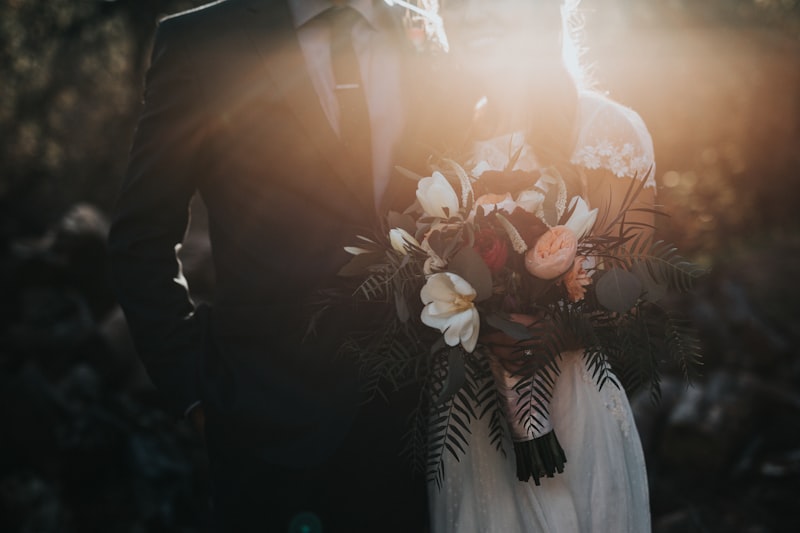
Boldly cuts often make your images more interesting. Instead of framing your subject in a traditional way, don’t be afraid to cut them through the edges of your frame. For example, cutting off a person’s head or half of an object can create interest and create an artistic effect. Remember to be careful not to cut into areas that would divide parts into unintelligible elements, such as an ear or an eye.
Reveal Stories Every photo is a story to be told. Use yourframing
Inspiration and Observation Keep your eyes open to the world around you. Draw inspiration from various compositions in nature or the architecture around you. Every day, practice observation, not just by photographing, but by analyzing what works and what doesn’t in the shots you see. Your creativity will flourish through this practice of visual appeal, which will enrich your photographic approach. Resources for Further Learning To deepen your knowledge of framing and composition, explore resources such as “Taking Impactful Photos” or “Mastering Framing.” Each tip or technique you learn will strengthen your expertise and sharpen your photographic eye. Discover the art of framing and composition in photography. Learn the essential techniques to improve your shots, master the rule of thirds, and create captivating images that tell a story. Whether you’re a beginner or an experienced photographer, this article offers practical tips and tricks to enhance your compositions. In the world of photography, framing and composition are the essential tools that transform a simple image into a work of art. By mastering these techniques, we have the power to direct the viewer’s eye to the elements that matter most, providing a rich and evocative visual experience.
Each shot then becomes an invitation to explore, to focus not only on what is being photographed, but also on HOW it is photographed. By incorporating rules like the law of thirds or daring with bold framing, we create captivating visual narratives that spark the imagination.
This framing workshop is not just a technical challenge; it’s an exciting adventure, a chance to develop our creativity. By judiciously cropping certain parts of our subject, we leave room for interpretation and curiosity. Thus, each photo becomes a question, each detail a clue to the story we wish to tell. This challenge is not just a constraint, but a springboard to a deeper artistic expression. Let’s take the time to experiment with these techniques, to reinvent them, and to discover how a fresh perspective can transform our images. In this challenge, we invite you to explore the art of framing and composition in photography. These two elements are essential for producing captivating images that tell a story. By experimenting with different techniques, you’ll learn to improve your artistic eye and give your photographs more impact. Importance of Framing Framing is choosing the elements that will appear in your image. Every choice is important: whether it’s what is included and excluded from the frame, the perspective adopted, or how you position your subject. Good framing helps focus the viewer’s attention on what matters most. To begin, don’t hesitate to think outside the box and try creatively cropping your subject. For example, instead of photographing a full-length portrait, focusing on a detail, such as the eyes or mouth, can create interest.
Composition Techniques
Composition is the arrangement of the elements in your image. There are severalComposition rules to consider. Among them, the rule of thirds, which consists of dividing your image into nine equal parts with two horizontal and two vertical lines, allowing you to position your subject at the intersections to create visual balance. You can also experiment with leading lines, which lead the eye through the image and add depth and interest.
Dare to Be Bold in Framing
When you take on this challenge, be bold! Dare to break with traditional rules. Try framing elements that extend beyond the frame, playing with light and shadow to create striking contrasts. By focusing on specific details, you can bring a new dimension to your shots. The limits of your frame are not an obstacle, but an invitation to creativity.
Choosing the Distance and Shooting Angles
The distance between your camera and your subject is also a key factor. Get in close to capture striking details or move further away to integrate the subject into a larger context. Use a variety of camera angles to energize your image. Lean over, climb onto a high surface, or crouch—varying your viewpoints can transform a simple snapshot into a work of art.
Tell a Story with Your Image
Every photo should tell a story, and composition and framing play a crucial role in that narrative. By choosing where to focus your gaze, you can subtly infuse emotion into your image. Don’t limit yourself to a literal representation. Look for visual metaphors throughout your composition and think about what each element you choose to include symbolizes. Practice and Experiment Finally, practice is essential to mastering framing and composition. Don’t be afraid to experiment and take photos with a clear intention. Set yourself specific challenges, such as shooting only using creative framing or applying a particular composition rule. Learn from each session, analyze your mistakes, and perfect your style. Discover the art of framing and composition in photography. Learn to master visual elements to create captivating and harmonious images. Explore practical tips and essential techniques to improve your photography skills.
Simplify: Learn to frame by showing only part of your subject.
Ask the question: “What do I really want to show?”Bold Framing: Don’t be afraid to crop your subject creatively.
Explore Positions: Frame from the sides or corners for a fresh perspective. Ideal Distance: Determine the space between your subject and your camera. Use impact : The more the subject fills the image, the more captivating it is. Experiment with different formats
: Vary between vertical, horizontal, or square.
Experiment : Dare to take risks with your compositions.Invest time
: Practice is essential to developing your artistic eye.
Observe your surroundings : Look for new compositions in everyday life. Conclusion on Challenge -1: Mastering Framing and Composition
Participating in
Challenge -1 on Framing and Composition
is a crucial step in the evolution of any photographer. This challenge pushes us to rethink our way of capturing images, explore new perspectives, and develop a sharper eye for our surroundings. By encouraging us to play with the edges of the frame, we learn not only to simplify our compositions but also to integrate elements that enrich the visual narrative.
The “subject cut” rule is a concept worth incorporating into our photography process. By not displaying our entire subject, but by making it partially invisible, we offer the viewer the opportunity to imagine what is happening outside the frame. This trick allows us to transcend the boundaries of our traditional visual space, immersing observers in a world more imbued with mystery. The different types of framing experimented with during this challenge open the door to new creativity. Whether it’s playing with distance, opting for bold angles, or choosing to show only a portion of the photographed object, every adjustment we make contributes to the overall impact of our image. The important thing is to keep an open mind and dare to think outside the box, because photography is not only a technique, but also a means of personal artistic expression. By putting aside your fears and embracing experimentation, you’ll have the opportunity to develop your own photographic style. Each shot taken during this challenge is a building block in your creative edifice, bringing you one step closer to realizing your visual identity. You’re now ready to create captivating compositions and tackle the next photography challenges! FAQs for Challenge -1: Mastering Framing and Composition
A: The main objective is to explore framing and composition techniques to improve your artistic eye and photographic skills.
A: Challenges are offered every two weeks, providing regular opportunities to practice and improve. A: This means the subject of the photo doesn’t need to be fully visible; it can be partially hidden, which can tell a stronger story. A: You can try various options, such as cutting out a subject from the edges or making it half-visible, creating a more intriguing image.
A: Distance has a significant impact on framing. Getting closer can enhance the visual impact and encourage bold compositions.
A: It can make the photo more striking and intriguing, making the viewer wonder what’s happening outside the frame. A: Any subject you choose works, whether it’s landscapes, people, or objects. The important thing is to apply the principles of framing and composition. A: By observing your everyday environment and analyzing how objects and people visually interact with each other.
A: Dare to be creative, play with different techniques, and above all, don’t be afraid to take risks with your framing!