
The Phenomenon of the Summer Transition: Between Nostalgia and the Emergence of a New Season
Each year, the arrival of autumn marks more than just a meteorological change: it is a true rite of passage, a moment when the subdued light of morning gradually gives way to earlier and more intense twilight. The end of the summer season, often synonymous with escape, freedom, and shared moments, leaves behind a feeling of both nostalgia and renewal. The sunset that once lit up the late afternoon skies gives way to a palette of more subdued hues, such as gold, ochre, or pearl gray, accurately depicting this natural metamorphosis. The perception of this transition is not limited to a simple setting of the sun, but deeply challenges the human consciousness, which sees in these changes the signs of an immutable cycle, rooted in the cyclical repetition of the seasons. This atmospheric change is also perceived as a momentary pause, a break from the frenetic pace of summer. It’s an opportunity for human beings to refocus, to rethink their relationship with time, light, and their environment. The sun, which for several months illuminated each day, has a powerful symbolic function: that of life, warmth, and energy. The end of summer, in both its tangible and symbolic aspects, invites deeper reflection on how each person experiences this period of transition, between abandonment and rebirth. The feeling of losing something is often mixed with anticipation, that of regaining a certain inner calm, or of rediscovering the sweetness of gradual darkness.
The symbolism of the farewell to the summer sun through history and culture

LECTURE SUGGÉRÉE
A final tribute in photography: the departure of Sebastião Salgado
The world of photography has just lost one of its greatest artisans, Sebastião Salgado, who…
LIRE L'ARTICLESince the dawn of time, the sun has occupied a central place in various civilizations, embodying both divinity and the source of life. In ancient Egypt, for example, Ra, the sun god, symbolized the life-giving force that enabled nature to renew itself each morning. Reflecting on the farewell to the sun therefore involves drawing a parallel between the attachment to this divine light and the inevitability of change. Greek tradition celebrated the end of summer with rituals to Theseus, where the transition to autumn represented the need to respect the natural cycle, but also to accept the passage of time with humility. Ancient poetry is full of metaphors evoking this separation, often evoking light as a fleeting love that must be allowed to fade.
Over the centuries, this symbolism has been enriched, illustrating a vision of the world somewhere between realism and the picturesque. The artistic and literary renaissance of the 17th century, notably with composers like Monteverdi and poets like Pierre de Ronsard, highlighted this bittersweet melancholy of farewell. The famous poetry of Alphonse de Lamartine, for example, evokes this transition as a nostalgic “passage,” while emphasizing the fragile beauty of fleeting moments. The poem “Autumn” concretizes this idea that the end of summer is not only a decline, but also an essential stage in the cycle of life, offering a new perspective on human vulnerability and resilience in the face of change.
By following this long tradition, Alexandru Cupaciu’s reflection on the end of summer is part of a universal vein, where the passage of the sun also symbolizes the end of one phase and the beginning of another. Popular culture, finally, does not fail to recall this concept through modern works and oral traditions that celebrate the end of the season in the form of festivals, stories, or emblematic portraits.
Ecological and climatic issues linked to the retreat of the sun and the end of summer

Kwame Brathwaite’s ‘Black is Beautiful’ exhibition at the Mougins Photography Center
For several decades, photography has served as a mirror and driving force in the struggles for the affirmation of Black…
CONTINUER LA LECTUREThis apparent phenomenon is not solely a question of a natural cycle, but is also becoming an important issue at a time when the climate crisis requires increased attention to environmental variations. The retreat of the sun, its lower position on the horizon, and the decrease in the duration of daylight contribute to these profound changes, which disrupt flora and fauna, and even the balance of local ecosystems. The gradual disappearance of certain habitats is leading to an acceleration of extinction events, particularly for migratory or light-sensitive species, such as birds and certain insects.
The effects of climate change are also reflected in milder winters and longer or delayed autumn seasons, altering the habits of certain animals and plants. Local flora, particularly in the Mediterranean region or coastal areas, is experiencing a decline in its traditional blooms, which inevitably impacts biodiversity. The way in which we perceive the end of summer must therefore be integrated into a growing collective ecological awareness, which encourages us to rethink our relationship with light, heat, and the transition period.
A reduction in the duration of daylight promotes an increase in energy consumption related to heating.
- The weakening of certain ecosystems impacts local biodiversity.
- Changes in plant life cycles affect agricultural production.
- Migratory species adjust their routes, risking disrupting ecosystems.
- Extreme weather events become more frequent and intense.
- Faced with these challenges, scientific research, particularly in the field of astronomy, provides valuable insights, enabling us to better predict and mitigate the effects of these natural variations, which are exacerbated by climate change. Understanding these mechanisms is becoming essential to anticipate the next stage of this evolution, which is likely to permanently transform our environment.
The perspective of an amateur astronomer: understanding the link between the sky and the Earth’s cycle.
In a world where artificial light invades every space, the perspective of an astronomy enthusiast profoundly changes our perception of the end of summer. The sun’s path across the sky, its declination, and its seasonal movements remain valuable indicators for understanding the synchronization between the cosmos and our planet. By observing the sunset, an amateur astronomer can not only capture the immediate beauty of the moment, but also understand the complexity of these natural phenomena. The position of the sun at the summer or winter solstice, illuminated by tools such as the sundial or the celestial planisphere, then becomes a veritable code for interpreting the transition from one season to the next.
For those with a keen interest in the phenomenology of the sky, this period offers a unique opportunity to study the variation of natural light and the color of twilight, as well as to admire phenomena such as the “false dawn” or the “glowing sky,” a harbinger of change. Astronomical tradition, rich in its millennia-old observations, adds an extra dimension to this transition, which is not just a meteorological phenomenon, but a manifestation of the great cosmic cycle. Using modern instruments or even simple naked-eye observations, an enthusiast can reveal that each autumn sunset becomes both a poetic and scientific experience.
Discover summer in all its facets: must-see destinations, summer activities, tips for enjoying the sun, and wellness tips for an unforgettable season.
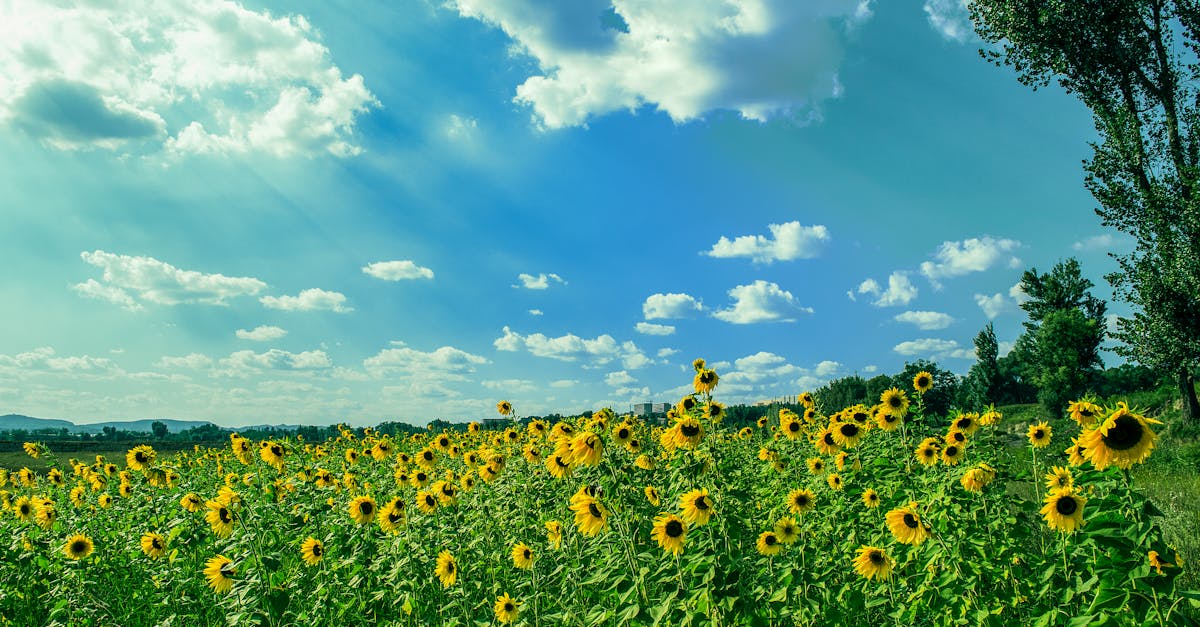
Astronomical studies are not limited to observing the sky: they offer keys to understanding the synchronization of Earth’s rhythms with those of the cosmos. The Earth’s rotation, its orbit, and the tilt of its axis all directly influence the length of days and nights, and by extension, the perception of the passing of the seasons. The end of summer marks a high point in this relationship, where the diminishing light reduces biological activity, but also invites reflection on life cycles, the migration of birds, or the blooming of flowers.
The link between human activities and cosmic rhythms then becomes evident, reinforcing the idea that the end of the summer season is not simply a climatic variation, but a concrete manifestation of universal harmony. Collective responsibility, particularly in the adoption of more respectful practices, such as reducing light pollution or adopting sustainable technologies, becomes essential to preserve this “cosmic compass” that guides all our movements.
https://www.youtube.com/watch?v=aJPPMcSbGBY
The end of the summer season also opens up a new dimension of perception, one that invites contemplation. Watching a sunset is not only an aesthetic experience, but an intimate act of reconnecting with nature and an awakening to the fleeting nature of the moment. In our fast-paced society, taking the time to admire these natural spectacles becomes an act of resistance to the daily frenzy. The fading light, tinged with warm colors, becomes a metaphor for the cycle of life—each end heralding renewal, each decline an invitation to deep reflection.
Philosophers, poets, and even some biologists emphasize the value of cultivating this contemplative attitude, particularly to strengthen our connection with the environment. Photography, as an artistic and scientific practice, allows us to capture these precious moments, such as
couples’ photoshoots or memories of autumn festivals . These works capture the fleeting beauty of the sky in motion, while preserving the memory of a moment of connection essential to the contemporary psyche.Discover summer: activities, destinations, and tips to fully enjoy the summer season. Travel tips, leisure ideas, fashion trends, and much more for an unforgettable summer.

Incorporating meditation practices during this transitional period can help calm the mind and serenely welcome the end of the warm season. Deep breathing, mindfulness, and landscape meditation invite profound introspection, in harmony with the natural rhythm of the elements. Active contemplation thus contributes to better stress management, while strengthening ecological awareness and our ability to appreciate each moment. Fall offers an ideal opportunity to practice these techniques, particularly by taking advantage of the soothing landscapes or collective meditation groups that are flourishing in many regions.
Artistic and cultural trends inspired by the farewell to the summer sun
The departure of the sun is an inexhaustible source of inspiration for artists, whether painters, writers, or photographers. The autumn season has thus given rise to a multitude of major works, testifying to the unique perspective on this period of transition. In literature, the themes of passage, end, and renewal fuel references such as those of Lamartine and Victor Hugo. Painting, meanwhile, unfolds landscapes where the warm colors of the sunset fade into a dawning darkness, testifying to the ephemeral and fragile beauty of these moments.
Current trends in the field of artistic photography emphasize the notion of change and temporality, with particular emphasis on
changing seasons in photography. Contemporary artists are also interested in these nuances between light and dark, creating immersive or symbolic works that enhance the end of summer and the beginning of a new period.Discover all the inspiration and advice for an unforgettable summer: activities, destinations, trends, and tips to fully enjoy the summer season.

In a world where permanence is often valued, some artists choose to celebrate the fleeting nature of moments through ephemeral works. The end of summer thus becomes a powerful metaphor for temporality, illustrated, for example, by temporary installations or outdoor performances. Landscape photography, inspired by the work of greats like Salgado, explores these nuances and invents an interior as well as an exterior landscape, highlighting the precious beauty of the present moment, so fragile and precious.
A Daily Practice to Accompany the Sun’s Departure and Cultivate Gratitude
Adopting a daily routine centered around contemplating natural light can transform our perception of the changing seasons. Whether it’s a simple sunrise or sunset ritual, these moments of awareness encourage an attitude of gratitude and presence. Creating an autumn garden or practicing mindfulness techniques during these moments also helps strengthen the sense of grounding, which is essential in the face of climatic or personal uncertainty.
Professionals deeply committed to the ecological sphere, such as those working with brands like La Roche-Posay or Nuxe, also recommend adopting nature-friendly routines. Using soothing creams made with natural ingredients, such as those offered by Caudalie or L’Occitane, promotes a compassionate approach to our bodies and the environment, while emphasizing the importance of preserving these moments of transition to better understand our connection with the Earth. List of daily practices to adopt as summer ends:
Get up early to admire the sunrise or sunset
Keep a gratitude journal dedicated to small moments of light
- Practice mindful meditation as the light fades
- Use natural products to soothe skin after sun exposure
- Participate in photography sessions or contemplate autumn landscapes
- https://www.youtube.com/watch?v=uwdBneoWui0
- Frequently Asked Questions
By taking the time to contemplate each sunset, cultivating gratitude, and incorporating mindfulness rituals into my daily life. Photography, especially with simple cameras or even via editing apps, also helps preserve these precious moments.
What ecological impacts should we be aware of as the sun recedes? Reduced sunlight impacts biodiversity, alters the life cycles of plants and animals, and contributes to extreme weather events, requiring collective and conscious action. How can astronomy contribute to understanding these phenomena?
By observing the sun’s movements, studying the position of the stars, and using simple instruments, everyone can grasp the synchronization between the sky and our Earth’s cycle, thus strengthening their connection with the universe. What instruments are recommended for tracking the sun’s passage in autumn?
A celestial planisphere, a sundial, or even mobile apps dedicated to amateur astronomy offer a precise understanding of these movements. Do contemplative practices really have an impact on our perception of the changing seasons?
Absolutely! They promote a serene state of mind, strengthen our connection with nature, and allow us to approach the transition with gratitude and heightened awareness, contributing to our overall well-being. Source:
loeildelaphotographie.com