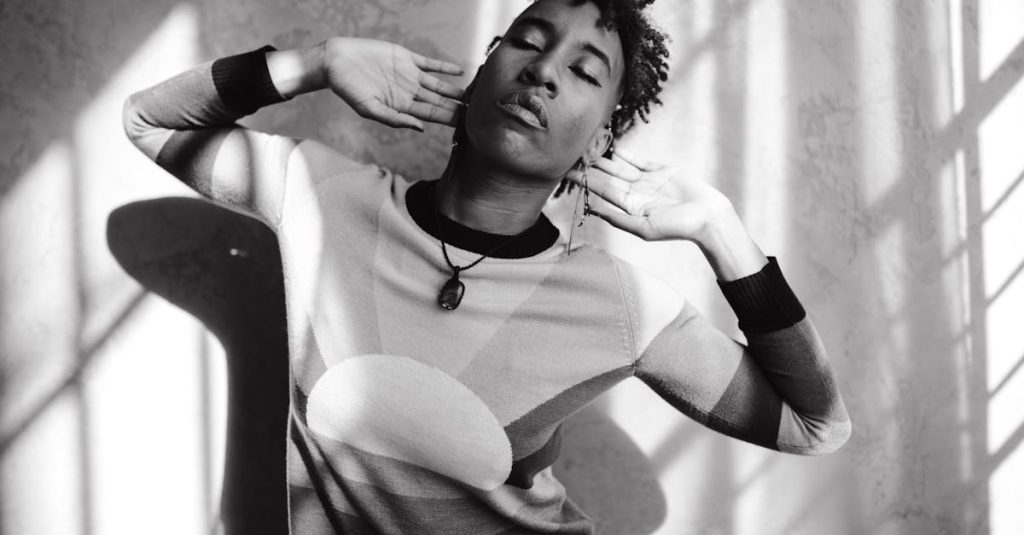
The Mougins Photography Center stands as a privileged witness to the evolution of the perception of Black beauty through its captivating exhibition “Black is Beautiful.” In the year 2025, the event unveils, in four major photographs, the richness and diversity of a universe disrupted by emblematic figures and fundamental cultural movements. This immersion in the history and art of photography reveals how a simple phrase grew to embody a cry for freedom, affirmation of identity, and political commitment. The richness of this exhibition lies not only in the visual power of the works, but also in the story they tell, blending struggle, dignity, and celebration. In this exploration, it is essential to question how photography, as a medium, becomes the vector of a universal message, giving voice and visibility to an often marginalized culture. The artistic approach of the Mougins Photography Center brilliantly illustrates this approach, offering a visual map of a struggle that remains more relevant than ever. Discover the timeless beauty and elegance of black through diverse styles and cultural expressions. ‘Black is Beautiful’ celebrates the richness and diversity of Black beauty, inviting appreciation and pride in this iconic color.
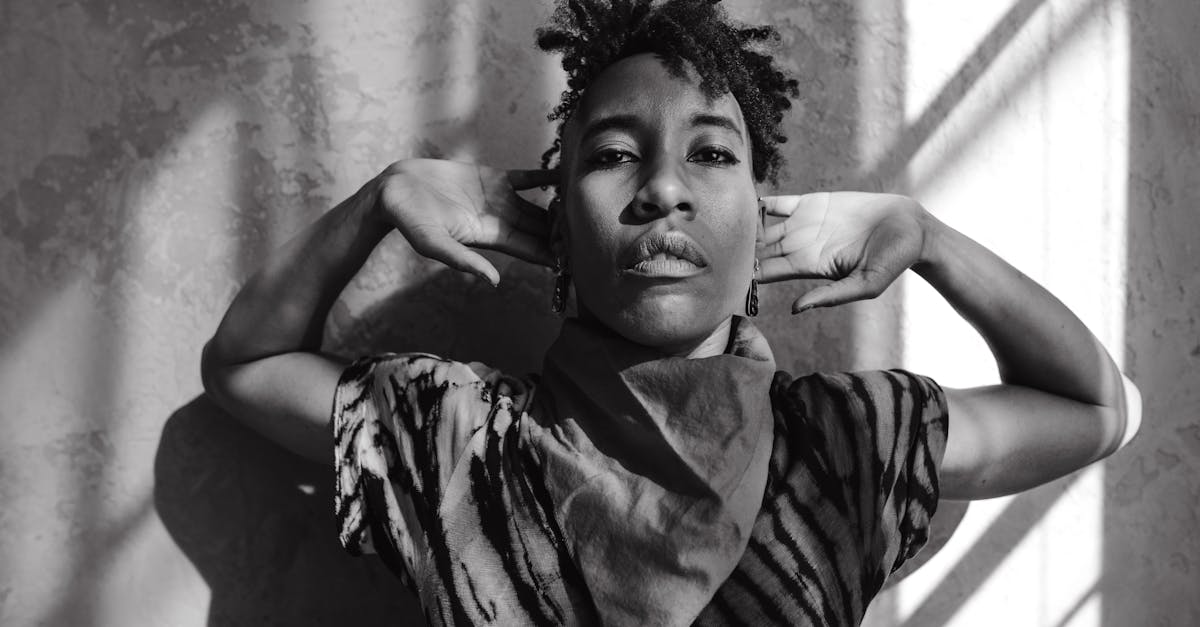
In the heart of the 1950s, in the emblematic neighborhood of Harlem, the formula “Black is Beautiful” began to resonate as a true manifesto for a community in search of recognition. Very few today know the origin of this phrase which has become an indestructible symbol of black pride. The movement finds its roots in an initiative by the African Jazz-Art Society & Studios collective, founded by Kwame Brathwaite and his brother Elombe, who had decided to abandon the Eurocentric vision of beauty. At this time, the majority of media still glorified Western standards, where light skin, straightened hair and European features were valued. To change this narrative, the movement organized beauty contests where each black woman proudly claimed her assets, without artifice. During these events, participants sported natural hairstyles and wore traditional African outfits, making previously ignored diversity visible. This aesthetic claim, associated with political consciousness, quickly transcended the boundaries of the neighborhood to become a global symbol of dignity and resistance.
Gestures and symbols of the claim

LECTURE SUGGÉRÉE
Preserve Your Precious Memories
Preserving your precious memories is an essential step in keeping the moments that are dear…
LIRE L'ARTICLEOrganization of Afrocentric beauty contests
- Promotion of natural hairstyles and traditional clothing
- Use of jewelry symbolizing Africa
- Creation of photographic campaigns to promote diversity
- Affirmation of a positive view of black culture
- discover the timeless beauty of black culture in our article ‘black is beautiful’. explore the rich artistic contributions, diversity of stories and elegance that celebrate black pride across the world.

What strikes one when discovering the photographs exhibited at the Mougins Photography Center is the evocative power that emanates from each image. These photographs illustrate the duality between a past of marginalization and a desire for collective affirmation. For example, the portrait of an African woman dressed in traditional fabrics, lit by soft light, embodies this celebration of cultural diversity, while challenging the Western gaze that has long minimized this identity. Other photographs depict iconic artists and musicians, such as Bob Marley and Miles Davis, who embody the spirit of this cultural renaissance. Photography thus becomes a document of resistance, a way of making visible what has long been ignored or misunderstood. The exhibition also highlights historical images, capturing key moments, such as community gatherings and demonstrations for the recognition of civil rights. Featured Images
Theme
| Visual Impact | Portraits of Women with Natural Hairstyles | The Affirmation of Black Beauty |
|---|---|---|
| Emotional Power and Pride | Photographs of Musicians and Artists | Cultural and Artistic Expression |
| Vibrancy and Dynamism | Images of Protests and Historical Events | The Struggle for Recognition |
| Emotions and Universality | Discover the timeless beauty and elegance of black. ‘Black is Beautiful’ celebrates the richness of cultures and self-affirmation through style. Immerse yourself in a world where fashion meets identity and art, showcasing the power and grace of the color black. | The Role of Photography in the Reconstruction of Identity and Culture |

Use of black and white to enhance emotion
Shots in natural light for authenticity
Focus on cultural expressions and details
- Use of vibrant colors to highlight cultural richness
- Composition focused on the dignity and power of subjectivity
- A contemporary spotlight on cultural diversity in Mougins
- In 2025, the “Black is Beautiful” exhibition is more than just a historical retrospective. It also invites reflection on contemporary cultural diversity, showing how photographic art continues to be an instrument of expression and resistance. The scenography of the Mougins Photography Center enhances this approach by combining archives and contemporary works, creating a bridge between past and present. The guest artists revisit aesthetic codes by offering works embodying the plurality of identities, whether through the use of modern techniques, innovative media, or digital interactions. Photography thus becomes a plural language, capable of capturing the complexity of changing worlds, but also of celebrating the richness of all cultures, beyond traditional boundaries.
- Integration of new technologies in photography
Focus on the diversity of modern identities
Participatory approach with the local community
Andreas Gursky explores the residence on Rue du Commandant-Mouchotte in Paris through his lens
A monumental vision of the residence on Rue du Commandant-Mouchotte in Paris by Andreas Gursky Andreas Gursky’s gaze recently fell…
CONTINUER LA LECTURE- Interactive and digital exhibitions
- Partnerships with artists from different regions of the world
- Current and future challenges of representation
- What this exhibition in Mougins reveals is that photography, as an expressive force, remains essential for promoting an inclusive vision of the world. In 2025, the question of representation must continue to evolve in the face of the challenges of globalization and interconnectedness. Black culture, with its many facets, must not only be visible but also heard, in all its diversity. Photography, through its technological innovations (augmented reality, 3D printing, interactive works), becomes a vector for intercultural dialogue. It also invites us to rethink the way stories are told, giving a voice to those who have long been marginalized. The dynamic initiated by the Mougins Center testifies to this desire to make each image a step towards a more egalitarian society respectful of differences. Perspectives for Art and Culture
- Integration of Digital and Interactive Media
Development of Participatory and Community Projects
Promotion of Diverse Artists
Organization of International Festivals and Meetings
- Creation of a Visual Heritage for Future Generations
- https://www.youtube.com/watch?v=xOk2CovQiwU
- https://www.youtube.com/watch?v=qZUI0V10ANA
- Frequently Asked Questions about the ‘Black is Beautiful’ Exhibition at the Mougins Photography Center
- What makes this exhibition unique?
In addition to Kwame Brathwaite, the selection includes photographers and artists such as Faith Ringgold, and iconic figures such as Bob Marley and Miles Davis, illustrating artistic and cultural diversity.
- How does this exhibition contribute to the recognition of Black culture?
- By showcasing powerful and authentic images, it fosters a better understanding and appreciation of diversity, while also encouraging reflection on representation in art and culture.
- Are there any projects related to this exhibition?
- Yes, several participatory and educational initiatives are being organized to extend this approach, including workshops, meetings, and publications.
- Source:
- www.nicematin.com


