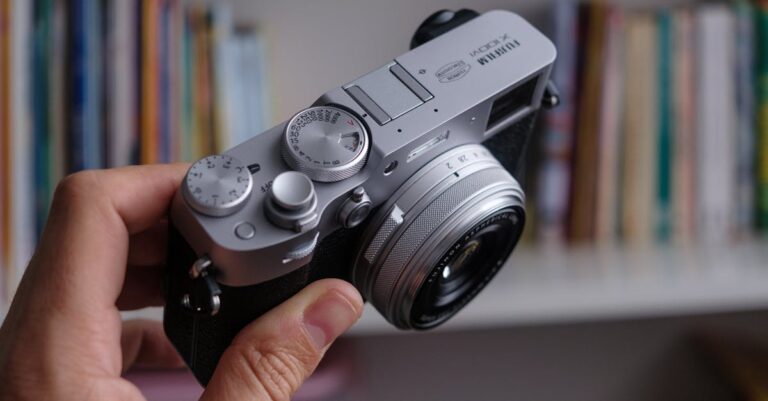
When it comes to capturing the raw energy and dynamics of sports photography, choosing the right DSLR becomes a crucial step. In 2025, two models are often discussed among enthusiasts and professionals: the Nikon D500 and the Canon EOS 90D. These two cameras embody excellence in their category, offering performance and reliability to capture the fleeting, whether during a wild race or an impressive jump. The Nikon D500, launched in 2016, remains today a symbol of robustness and responsiveness, proof that technology can stand the test of time without losing its vigor. The Canon EOS 90D, meanwhile, released in 2019, has evolved, incorporating even sharper definition and ergonomic design that appeals to both amateurs and experts. Through this duel, it’s not just about comparing numbers or technical specifications. The challenge is to define which DSLR best meets the challenges of modern sports photography, where speed, precision, and image quality are essential. Between high-speed capture, motion management, and resistance to sometimes extreme conditions, each model has its strengths, but also its limitations. Let’s dive into the technical, ergonomic, and practical worlds of these two giants to better understand the ultimate choice that every sports and action enthusiast or professional should make.
The essential technical specifications for choosing between the Nikon D500 and Canon EOS 90D for sports photography
The competition between these two cameras rests primarily on their ability to meet the demands of active sports. Continuous shooting speed, autofocus accuracy, system responsiveness, ISO sensitivity management, image rendering in varying lighting conditions, and hardware robustness are all factors to consider. In 2025, mastering these parameters will make the difference between a blurry photo and a vivid image. Specifications

LECTURE SUGGÉRÉE
Canon: Why choose the PowerShot G1 X Mark III over the Sony RX100 VII?
Advanced specifications for demanding amateur users At the heart of the compact camera world, the…
LIRE L'ARTICLE| Nikon D500 | Canon EOS 90D | Sensor Size |
|---|---|---|
| APS-C | APS-C | Sensor Resolution |
| 20.9 MP | 32.5 MP | Maximum Burst Speed |
| 10 fps | 11 fps | Standard ISO |
| 100 – 51200 | 100 – 25600 | Maximum Recommended ISO |
| 6400 for most situations | 1600 optimal, but up to 6400 in extreme situations | Autofocus |
| 153 phase-detection AF points | 45 phase-detection AF points | Burst Shooting in Sports Conditions |
| Controlled responsiveness, perfect for fast-paced sports | Excellent, with a slight lead over Nikon in speed | Weight |
| 860 g | 701 g | This table summarizes a general trend: the Nikon D500, with its 10 fps and continuous burst, remains the A preferred choice for optimal responsiveness. The Canon EOS 90D slightly outperforms in speed, reaching 11 frames per second, which can make a difference in suspended moments. The Canon’s increased resolution offers remarkable image sharpness, essential for zooming in on details during post-production. |
Performance in demanding conditions: autofocus, stabilization, and light management
Success in sports photography often depends on the ability to quickly spot and track a moving subject. Here, the autofocus system plays a crucial role. The Nikon D500 relies on its 153 cross-type focus points, allowing it to cover a large portion of the frame with phase-detection accuracy, ideal for tracking an accelerating athlete. Its fast autofocus, combined with its burst speed, ensures you don’t miss the decisive moment.
The Canon EOS 90D, with its 45 autofocus points, has particularly effective face and eye detection, resulting in optimal subject sharpness, even in highly dynamic sequences. Its vari-angle touchscreen also facilitates framing at an angle, a significant advantage when shooting in challenging conditions.
In terms of light management, both cameras offer a wide ISO range. The Nikon D500 can reach up to ISO 51200, making it ideal for low-light environments. The Canon, on the other hand, excels in color accuracy and offers better noise management at high ISOs. Since stabilization isn’t built into these models, it’s up to the photographer to use stabilized lenses or specific techniques to avoid blur.

Quebec Photographers: Services Offered, Rates and Useful Resources
In the heart of the province of Quebec, photography flourishes as a true art, vibrant with the colors and emotions…
CONTINUER LA LECTUREImage Quality and Motion Management for Sports Photography
The bottom line is that in sports photography, speed and precision often take precedence over fine resolution. The Nikon D500, with its 20.9 MP, delivers an image rich in tactile details, ideal for large-format shooting or precise post-production. Its superior high-ISO capability allows it to excel in challenging conditions, such as poorly lit indoors or low light in the early or late afternoon.
Conversely, the Canon EOS 90D, with its 32.5 MP camera, offers superior resolution, allowing for easy cropping without noticeable loss of detail. This proves invaluable during competitions where you need to zoom in on a distant athlete. Noise management is impeccable up to ISO 1600, but beyond that, quality declines, a result of more aggressive JPEG processing or digital noise at high sensitivity.
Each manufacturer’s processing algorithms also play a role. The Canon range has always been recognized for its natural colors, and the smooth rendering of its DIGIC 8 sensor, which smooths the transition between different lighting conditions.
Robustness, ergonomics, and durability in the face of extreme conditions
Cameras used in sports must also withstand sometimes hostile environments. Tropicalization became standard in 2025, particularly for the Nikon D500 and the Canon EOS 90D, which are resistant to rain, dust, and temperature variations. Nikon, in particular, has left a lasting mark in the design of its “all-terrain” cameras, with their construction made of durable materials and carefully designed waterproofing.
The Canon EOS 90D, in particular, boasts a solid build, with ergonomics designed for prolonged handling, even with gloves, thanks to its backlit buttons and wide grip. Its relatively light body also facilitates transport during long competition or training sessions.
Weight, which directly affects fatigue during long shoots, favors the Canon in this area, as do the ease of use of its buttons and the quality of its 100% optical viewfinder.
Battery life and autonomy for long-term coverage of sporting events
During competitions that span several hours or days, the ability to capture a large number of images without having to recharge is essential. The Nikon D500, with its improved battery life and optimal power management, can capture several hundred shots without fail, thanks to its robust battery and power-saving settings.
The Canon EOS 90D, while lightweight, also offers good battery life, which can be enough to cover a half-day. However, strategic planning, such as the use of spare batteries, remains essential to ensure optimal coverage.
Price, availability, and recommendations for making the right choice in 2025
Value for money remains a determining factor. In 2025, the Nikon D500, often positioned at a slightly higher price point, is available for around €819. Its robustness and performance make it a safe bet for those looking for a reliable and scalable camera. The Canon EOS 90D, priced at around €779, offers high resolution, intuitive handling, and a certain comfort in handling a variety of situations. Its relatively light weight and weather-resistant design make it a vulnerable option in certain demanding environments, but ideal for versatile use.
In conclusion, experts recommend considering your own priorities: speed vs. resolution, robustness vs. lightness, price vs. features. Referring to comprehensive comparisons available on sites like Versus or Learn Photography can also inform your final decision. Discover the art of sports photography with tips, techniques, and tricks for capturing the energy and passion of athletes in action. Express your creativity while immortalizing powerful moments in sports.The Position of Other Players in the Competition: Sony, Pentax, Fujifilm, Olympus, Leica, Sigma, Tamron
While it’s clear that Nikon and Canon will largely dominate the sports photography market in 2025, other brands such as Sony, with its Alpha cameras, also offer high-performance cameras, particularly with the Z series, which rivals in speed and quality. The Sony Alpha Z6 IIoffers a different perspective on fast-paced action, often considered for its autofocus and eye-tracking autofocus performance.
Pentax and Fuji, although more artistic or landscape-oriented, offer rugged and durable models suitable for extreme situations. Olympus is also beginning to regain a place in this niche, thanks to its compact and lightweight cameras. Options such as Leica, Sigma, and Tamron, geared toward professional photography, offer lenses and accessories that ideally complement these DSLRs for true sports performance. Frequently Asked Questions About Choosing the Nikon D500 and Canon EOS 90D for Sports Photography What’s the major difference between the Nikon D500 and Canon EOS 90D for sports photography? The main difference lies in the autofocus system and burst speed. Nikon benefits from a more focused and precise autofocus, while Canon excels in pure speed, with 11 frames per second. Which camera is more resistant to extreme conditions? The Nikon D500, with its advanced weatherproofing, clearly stands out in its resistance to water, dust, and harsh temperatures. The Canon, while robust, is a little less suited to these extreme environments.

The Canon EOS 90D offers a 32.5 MP resolution, ideal for cropping. The Nikon D500, with its 20.9 MP camera, prioritizes speed and sensitivity in low light.
Which model is the lightest and most convenient to carry? The Canon EOS 90D has the advantage of being lighter, making it an excellent companion for long field sessions. Where can you buy these cameras with good value for money in 2025?
Specialist sites like