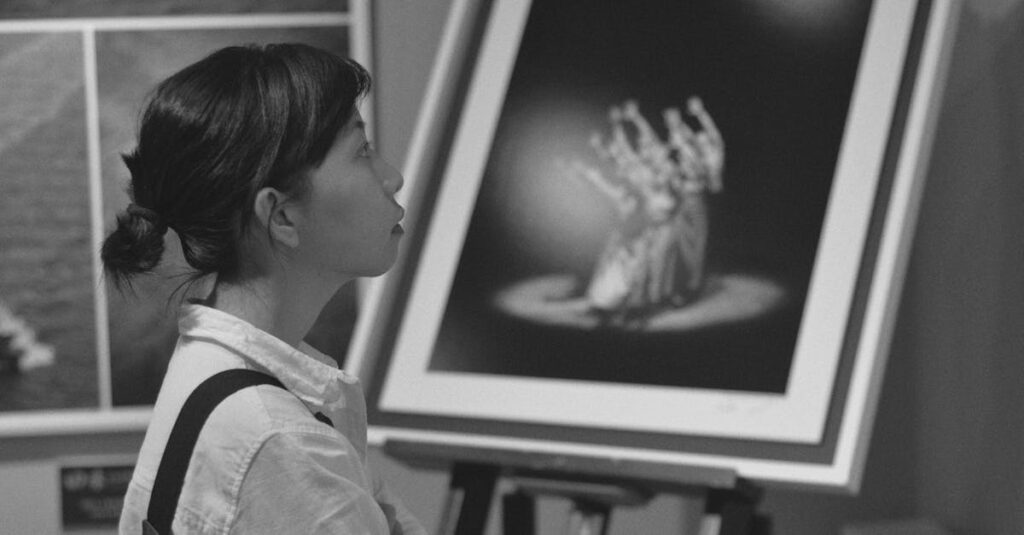
A bold cultural project: Rachida Dati envisions a photography museum in Arles
France’s photographic heritage could soon receive a new showcase thanks to the initiative of Rachida Dati, Minister of Culture in 2025, who is unveiling an innovative project within the City of Arles. With her strong commitment to promoting visual art and culture, this prominent political figure aims to make the Provençal city a hub of national and European photography. During her visit to the Rencontres d’Arles, a must-see on the local cultural calendar, Rachida Dati confirmed the prefiguration of a museum dedicated to photography, essential for preserving, exhibiting, and revitalizing this timeless artistic heritage. This strategic approach, part of the celebration of the bicentennial of photography planned for 2026-2027, aims to strengthen the city’s visibility as the European capital of this art. Combining heritage ambitions with a desire for innovation, this project is already generating keen interest among cultural stakeholders and visual art enthusiasts, eager to see Arles shine once again through this unique initiative. While implementation is still in the planning phase, the idea stands out as a major step for contemporary culture and photographic creativity.
The career of Rachida Dati: an engaging figure in the political and cultural landscape
The daughter of a modest father and from a political and legal background, Rachida Dati has gradually established herself as one of the influential figures in the French landscape. At 33, her career path demonstrates an ability to combine determination and strategic vision. Her academic background in law, complemented by a political career that began within the framework of the Republic, has allowed her to accumulate solid experience in the management of large-scale projects. Her commitment to culture is expressed in particular through her proposals and initiatives in the artistic sector, where she seeks to redefine the role of the city of Arles in the preservation and promotion of photographic heritage. The various works she has supported illustrate her desire to promote culture and visual art, while strengthening the city’s European positioning. Her appearance at the Rencontres d’Arles in 2025 affirmed her desire to make this event a true lever for development. Her political will is also marked by an openness to modernity, through the creation of an innovative museum, blending historical heritage and contemporary creativity. Eager to reconcile various aspects of cultural policy, Rachida Dati continues to embody a dynamic outlook on the future of art and French society.

LECTURE SUGGÉRÉE
Smash the Cake Session: An Unforgettable Party to Celebrate Your Child’s First Birthday
Summary: What is a smash the cake session? The smash the cake session is a…
LIRE L'ARTICLE
Architecture and scenography: a new vision for the future photography museum in Arles
Rachida Dati’s defining project for the museum is based on modern architecture, symbolic of a commitment to cultural renewal. The chosen site, the former Étienne paper mills, is a place steeped in history, perfectly suited to host this initiative. The desire to integrate the museum into an environmentally friendly approach, with sustainable materials and innovative scenography, is central to the design. According to initial sketches, the building would combine traditional archives with immersive spaces, offering visitors a multi-sensory experience. The scenography includes interactive exhibitions, where technological innovation and creativity meet to pay tribute to the richness of photography. The design of a modular museum, capable of accommodating both classical works and contemporary creations, is based on an architecture that promotes fluidity of the exhibition and easy access to the collections. The establishment of a scientific committee, with international experts, is expected to define the precise architecture of the site within a year, thus ensuring Arles has an exceptional cultural showcase, open to exchange and modernity.
| Key Aspects of the Future Museum | Description |
|---|---|
| Site Chosen | The former Étienne paper mills, a symbol of industrial history |
| Architectural Objectives | Blending heritage and innovation, sustainable materials, immersive scenography |
| Exhibition Type | Classical, contemporary, interactive, technological |
| Design Time | One to two years before opening |

Strengthening the dynamics of photographic culture in Arles: challenges and perspectives
The creation of a museum dedicated to photography is part of a strategy to promote heritage and develop creativity. By fostering a platform for exchange between national collections and contemporary artists, this project pays tribute to visual art while boosting the local economy. The city of Arles, already famous for its annual festival and numerous cultural spaces, could become a true European, or even global, hub for photography. According to Mayor Patrick de Carolis, this initiative represents an opportunity to further establish Arles as a leading location. The establishment of a dedicated institution would also pave the way for training, research, and dissemination, strengthening the educational dimension of culture. The program, planned for several years, could include temporary exhibitions, workshops, conferences, and artist residencies. The synergy between heritage and contemporary creation would boost local creativity. Another ambition is to make this museum the starting point for a European network of photography museums, fostering exchanges, collaborations, and innovations. The construction of this site could also stimulate an entire economic sector, notably tourism, logistics, and the artistic sector.
| Expected impacts of the future museum | Description |
|---|---|
| Heritage promotion | Exhibitions, conservation, and transmission of photographic heritage |
| Tourist attractiveness | Increased flow of visitors, local economic development |
| Education and training | Workshops, residencies, educational programs for all audiences |
| International resonance | Partnerships, exchange networks, global recognition |
Challenges and opportunities for the implementation of the museum dedicated to photography
The official launch of the project is not without its challenges. The need to secure solid funding, establish efficient governance, and guarantee a high level of standards in the selection of collections and exhibitions appears crucial. The management of funds from public and private collections, as well as the protection of photographic heritage in the face of digital challenges and risks of degradation, must be the subject of particular attention. Furthermore, it is also about creating an accessible and innovative space, which can attract a large audience, both local and international. The question of prefiguring a modular building, capable of accommodating a diversity of works, is an essential step. The establishment of an international scientific committee helps ensure the relevance of the programming and scenography. Finally, communication around the project must adapt to current issues, making full use of new technologies to reach a large and diverse audience, particularly through digital platforms and virtual exhibitions.
Discover our activity suggestions for a weekend in Mayenne: photography, theater, and gourmet hikes
Throughout the varied and authentic landscapes of Mayenne, a region rich in history and traditions, every visitor will find something…
CONTINUER LA LECTURE- Securing public and private funding
- Sustainable and modular architectural design
- Define innovative and diversified programming
- Manage the conservation of fragile collections
- Mobilize communication and digital
A unique opportunity for culture and creativity in Arles in the years to come
This classic but innovative project constitutes an essential vector of dynamism for the local cultural scene. It responds to strong expectations from citizens, art lovers, and professionals, by restoring increased visibility to photography as a visual art in its own right. The city of Arles could thus strengthen its reputation as the European capital of photography, while offering an immersive and educational experience to its visitors. The combination of historical heritage, contemporary architecture and innovative programming would provide a space where creativity can fully flourish. With a strategy focused on openness, sustainable development and international collaboration, this museum could also become a catalyst for numerous local and European artistic projects. The implementation of this vision, if it manages to overcome the logistical and financial challenges, could make this initiative an essential reference in the cultural landscape of 2025 and beyond.
Frequently Asked Questions
- When will the museum dedicated to photography in Arles be operational?
- A first estimate suggests that construction will begin in one to two years, with a potential opening for 2027, subject to administrative and financing procedures.
- What types of works will be exhibited in this new museum?
- A varied range, ranging from historical collections to contemporary creations, including interactive and immersive exhibitions, to pay tribute to the diversity of photography.
- How will this project strengthen Arles’ position in the cultural field?
- By consolidating its reputation as the European capital of photography, while promoting tourist, educational and artistic development, thanks to a global exchange platform.
- What are the main challenges to overcome?
- Financing, sustainable architectural design, asset management, and communication strategy, particularly through digital and virtual means.
- How can local and international stakeholders contribute to the project’s success?
- By participating in governance, offering collections, providing financial support, or getting involved in educational and artistic programming.
Source: www.objectifgard.com