
Intense competition between the Sony A7C R and the Canon EOS R6: Which option is best for capturing the world’s beauty?
As we approach 2025, the full-frame mirrorless camera market is brimming with choices, but two models still dominate the debate: the Sony A7C R and the Canon EOS R6. Each boasting its own unique strengths and innovations, they embody the culmination of Sony and Canon’s respective efforts to meet the expectations of both passionate amateurs and demanding professionals.
In a world where photography continues to evolve, these two cameras illustrate the constant quest for performance, precision, and ease of use. The Sony A7C R, with its high-definition 61-megapixel sensor, is positioned as an ally for those who want to capture every detail with unparalleled precision. The Canon EOS R6, meanwhile, maintains its reputation as a versatile camera, capable of capturing spectacular images in challenging conditions as well as high-resolution video recording. The choice between these two models goes beyond mere specifications and touches on the photographer’s very philosophy, habits, and ambitions.

LECTURE SUGGÉRÉE
Sony ZV-1 II vs Canon G7X Mark III: Which compact should you choose for vlogging in 2025?
A Tough Competition for Vloggers: Sony ZV-1 II vs. Canon G7X Mark III in 2025…
LIRE L'ARTICLEWhether you’re a nature photographer looking to immortalize breathtaking landscapes, or a portrait professional requiring increased speed and flexibility, this battle is essential. In a world where every detail counts, understanding the technical, ergonomic, and stylistic subtleties of these two cameras becomes the key to making an informed choice. From the combination of technology to ease of use, each aspect is gradually revealed in this unique confrontation.
Design and Ergonomics: Focus on Handling and Ease of Use
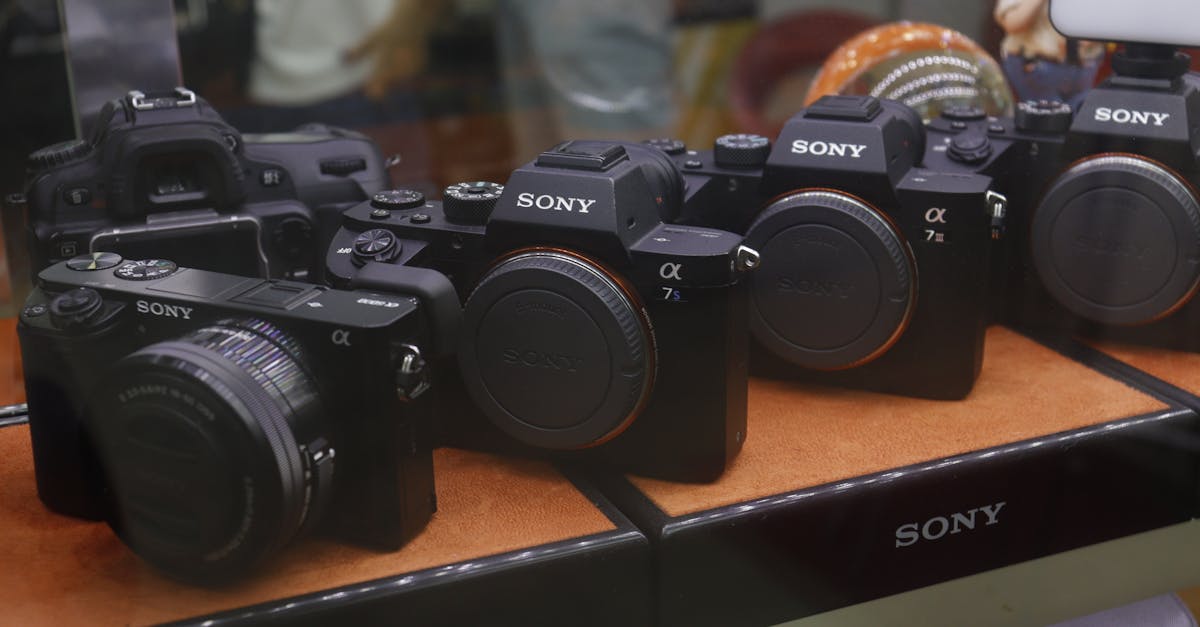
When choosing a camera, the first impression often concerns its ergonomics and the logic of its design. Handling should be natural, without any extra effort. The Sony A7C R features a compact and lightweight design, making it easy to carry on long outings or on the go. Weighing only 509 grams with the battery, it offers maneuverability appreciated by those who prioritize discretion and speed. Its sleek design belies a desire for ease of use without sacrificing performance.
Conversely, the Canon EOS R6, with its larger dimensions (138 x 98 x 88 mm) and heavier weight (680 grams), maintains a robust grip, prioritizing long-term comfort. The intuitive layout of its controls, notably the autofocus joystick feedback, ensures smooth navigation even in challenging situations. The fundamental difference lies in the philosophy: Sony focuses on compactness, while the R6 prioritizes stability and comfort for extended sessions.
Fujifilm X100V vs Canon G7X Mark III: Which One Should You Choose for Your Travel Photos?
Compact cameras have undergone a revolution in the last decade, bringing both portability and image quality. In 2025, two models…
CONTINUER LA LECTUREBoth cameras feature vari-angle touchscreens, but the resolution differs. The Sony A7C R offers a 2.36-megapixel electronic viewfinder, while the Canon’s boasts a 3.69-megapixel viewfinder, with 100% coverage, providing better detailed viewing. The responsiveness of the interface and the quality of the buttons are also crucial, especially for quick shots or in action situations.
| Specifications | Sony A7C R | Canon EOS R6 |
|---|---|---|
| Weight | 509 g | 680 g |
| Dimensions | 124 x 71 x 60 mm | 138 x 98 x 88 mm |
| Viewfinder | 2.36 MP | 3.69 MP |
| Screen | 3″ touchscreen, vari-angle | 3″ touchscreen, vari-angle |
The main decision often comes down to a preference between lightness and ergonomic stability. Ease of access to settings and the body’s robustness significantly influence speed, confidence, and precision during shooting sessions.
Image capture performance: pixels, sensitivity, and speed
In contemporary photography, resolution alone is not enough to determine final quality. Sensor sharpness, noise management at high sensitivity, burst speed, and autofocus precision are all levers that distinguish a good camera from an exceptional model.
The Sony A7C R, with its 61-megapixel BSI CMOS sensor, offers a wealth of detail that delights demanding artists. Its ability to reproduce high dynamic range, even in difficult conditions, is a valuable asset. The sharpness of its sensor allows for significant cropping while maintaining excellent sharpness. Additionally, its native maximum ISO sensitivity of 51,200, expandable to 204,800, facilitates shooting in the dark, while controlling noise thanks to its advanced algorithms.
The Canon EOS R6, for its part, prioritizes responsiveness. Its 20-megapixel CMOS sensor, although lower in resolution, results in better burst performance. With a speed of 12 frames per second in mechanical mode, it outperforms the Sony in speed for moving subjects. Its hybrid PDAF autofocus covers 693 points, ensuring precise detection of eyes, faces, or moving subjects. Sony A7C R sensor: 61 MP, ideal for extreme detail
- Canon R6 sensor: 20 MP, geared toward speed and responsiveness
- ISO sensitivity: 51,200 native for Sony, 102,400 for Canon
- Burst speed: 8 fps for Sony, 12 fps for Canon
- A comparison chart illustrates these differences:
Key Features
| Sony A7C R | Canon EOS R6 | Sensor Resolution |
|---|---|---|
| 61 MP | 20 MP | Maximum Burst Speed (fps) |
| 8 fps | 12 fps | Maximum Native ISO |
| 51,200 | 102,400 | Autofocus |
| Hybrid PDAF, 693 points | Hybrid PDAF, 693 points | Both cameras boast highly respected noise control, but their uses differ depending on the purpose: ultra-fine details for the Sony, speed and flexibility for the Canon. The full comparison can be found in this detailed report. |
Video Capability and Versatility for Visual Artists While photography remains the primary focus of these two models, their ability to film in 4K makes them a crucial consideration when choosing equipment. High-definition video is now a key criterion. The Sony A7C R, with its 4K UHD 30 fps recording, delivers remarkably sharp images. However, it limits the maximum frame rate to 30 frames per second and doesn’t include RAW video recording as standard, which may disappoint demanding videographers.The Canon EOS R6, on the other hand, is more appealing. With its ability to film in 4K 60 fps, it allows for smooth and precise movements, well-suited to creating dynamic content. Additionally, a 1.07x soft crop option in 4K allows for a wider focal length, which is useful for wildlife or street photography. Canon R6: 4K at 60 fps, smoother video
Sony A7C R: 4K at 30 fps, high-quality video but limited frame rate
Both support 10-bit HDMI output for better color control
Compatibility with professional editing workflows
More detailed comparisons are available:
30 fps
| 60 fps | Video Output | 10-bit (via HDMI) |
|---|---|---|
| 10-bit (via HDMI) | Raw Video Rec. | No |
| No | For creators looking to combine photography and video, the ability to shoot in 4K and compatibility with post-production tools are essential. Camera choice then becomes a matter of prioritizing image sharpness and fluidity of movement. | Battery life, durability, and environmental resistance: adapting to all conditions |
| Good battery life is often one of the deciding factors for traveling photographers or those working in extreme environments. The ability to maintain performance during long sessions can make all the difference. | The Sony A7C R, equipped with an NP-FZ100 battery, offers a battery life of over 680 shots in viewfinder mode, or 740 in screen mode. Its lightweight design also helps reduce fatigue during reporting or travel. Its weather-resistant design ensures use in harsh conditions, especially during outdoor photography. On the other hand, the Canon EOS R6 is also robust, with a tropicalized certification, allowing it to be used in rain or dust. Its LP-E6N battery supports approximately 250 shots in viewfinder mode, but benefits from better battery life during extended use, with longer battery life. | Specifications |
Sony A7C R
Canon EOS R6
Battery life in viewfinder mode
680 shots
250 shots
| Battery life in screen mode | 740 shots | 360 shots |
|---|---|---|
| Environmental resistance | IP certified, resistant to the elements | Tropicalized, suitable for extreme conditions |
| Battery | NP-FZ100 | LP-E6N |
| Durability is becoming a strong selling point for those who work in variable environments, where confidence in their photographic tools is essential. Depending on your needs, choosing a durable or lightweight body should be paramount. | Price and value for money: a financial decision not to be overlooked | In the current economic climate, the cost of a camera should not be separated from its actual capabilities. The price difference between the Sony A7C R, with a suggested retail price of around $1,800, and the Canon EOS R6, which climbs to around $2,300, is justified by their distinct features. |
| The Sony, more compact and equipped with an ultra-detailed sensor, will appeal to those looking for a lightweight, high-performance camera for a variety of uses. The Canon, for its part, justifies its difference with improved ergonomics and greater flexibility, particularly for video and shooting on the move. | Pre-owned or discounted prices can influence the decision, but you should also consider the investment in accessories, such as lenses, memory cards, and other essential devices for optimal performance. Compatibility with other brands like Nikon, Fujifilm, or Olympus can also tip the balance depending on your preferred ecosystem. For a detailed comparison, see this article. | The main technical differences in summary |
Features
Sony A7C R
Canon EOS R6
Release Year
2023 2020Sensor Type
Full Frame BSI CMOS
| Full Frame CMOS | Sensor Resolution | 61 MP |
|---|---|---|
| 20 MP | Maximum Burst Speed | 8 fps |
| 20 fps | Max Native ISO | 51,200 |
| 102,400 | Weight | 509 g |
| 680 g | Maximum Video | 4K at 30 fps |
| 4K at 60 fps | The choice of a camera will therefore largely depend on your priorities: extreme detail or speed, lightness or durability, photo or video. For a more in-depth look, reading this detailed comparison is useful. | Frequently Asked Questions about the Sony A7C R and the Canon EOS R6 |
| What is the major difference between these two cameras? The Sony A7C R stands out with its high 61-megapixel resolution, ideal for fine details. The Canon EOS R6 prioritizes speed and responsiveness, particularly with its 12 frames per second burst shooting. | Which is better for video? | The Canon EOS R6 offers smoother 4K video at 60 fps, while the Sony A7C R focuses on quality at 30 fps, perfect for calmer films or vlogs. |
| Are both cameras resistant to outdoor conditions? | Yes, both are water and dust resistant, but the R6 has a more robust weather-resistant certification, ideal for adventures. | Which model is lighter? |
The Sony A7C R, particularly light at 509 grams, will be better suited for frequent travel. What price should you expect in 2025? The Sony A7C R is generally found between $1,800 and $2,000, while the Canon EOS R6 often exceeds $2,300, justified by its advanced features.


