Comparing the Sony FX30 and the Canon EOS R10: The New Standard for Video in 2025
With the rapid evolution of video technologies, choosing the right camera can be a real odyssey. The market is seeing models emerge that redefine the standard, combining power, portability, and innovative features. The Sony FX30 and the Canon EOS R10 embody these new ambitions, each with its own distinct strengths. In 2025, the crucial question remains: which of these two devices will best meet your video production needs? The answer often depends on a delicate balance between technological performance, usability, and budget. Very popular among video creators and independent professionals, these two models delight with their ability to offer unprecedented image quality and flexibility. However, their differences in design and philosophy require detailed analysis to determine the most suitable choice for each project, whether it’s a report, an artistic creation, or event recording.
A revolution in the world of hybrid cameras: compact and powerful tools
For several years, the photography and video industry has been moving toward hybrid cameras—those that combine the practicality of compacts with the power of SLRs or professional cameras. Current models must meet a growing demand: lightness, interchangeable lenses, and superior image quality. The Sony FX30, emblematic of this new generation, is part of this trend with its compact but extremely robust design, designed to meet the needs of both amateur videographers and professionals looking for a versatile tool. Its 26 MP BSI-CMOS sensor marks a significant advancement, allowing it to capture images rich in detail and dynamic range. Meanwhile, the Canon EOS R10, equipped with a 24 MP sensor, maintains the ease of use appreciated by demanding amateurs, while offering intuitive ergonomics and impressive lens compatibility. The key challenge for every brand remains the balance between performance and portability, a quest that continues to push technological boundaries in 2025.

LECTURE SUGGÉRÉE
Stay in unusual accommodation at L’envie D’ailleurs
In a world where authenticity and the quest for unique experiences increasingly guide travel choices,…
LIRE L'ARTICLE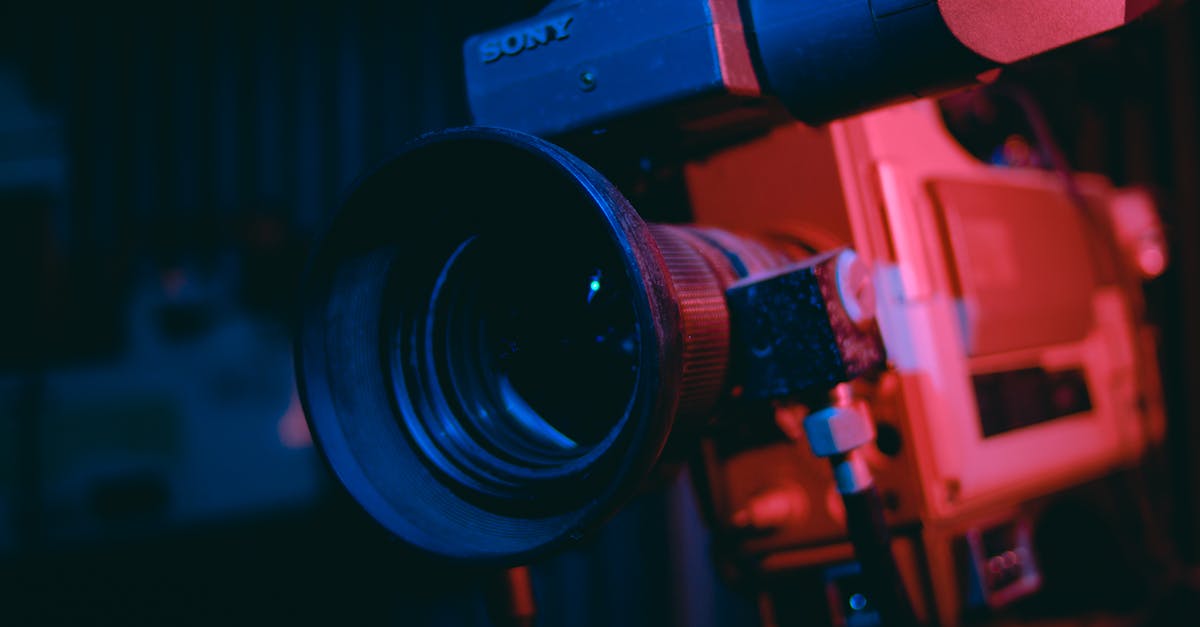
Sony’s key video assets in 2025
Sony has consolidated its leadership position in the mirrorless camera sector thanks to its constant innovations and the technical mastery of its sensors. The Alpha range, in particular, enjoys increased respect from professionals, who praise the fine details captured by its symmetrical sensors and the richness of colors it offers. The FX30 stands out by integrating an advanced video recording system, including features specific to professional videography such as the ability to film in 4K at 120 fps, the S-Log3 profile for precise calibration, and integrated image stabilization based on the latest generation of algorithms. To illustrate the power of this brand, it is necessary to compare it to its direct competitors like Panasonic Lumix or Nikon Z Series, which are also trying to innovate in this sector. Sony’s reputation is based on innovative solutions such as Eye-AF autofocus in video, now a standard in the industry, or compatibility with a wide range of Zeiss and G Master lenses. Technical innovations shaping professional video in 2025
Next-generation sensors:
- offering better dynamic range management, essential for capturing light in challenging conditions. 10-bit 4:2:2 video recording:
- enabling uncompromising color gradation, particularly in HDMI and ProRes workflows. Advanced stabilization:
- both optical and digital, for smooth images even on the move or without an external stabilizer. Log and LUT features:
- for fast and accurate color grading, essential in professional content production. Compatibility with accessories:
- including microphones, external monitors, and cage systems, for custom and modular setups. The strengths of the Canon EOS R10 for video and photography
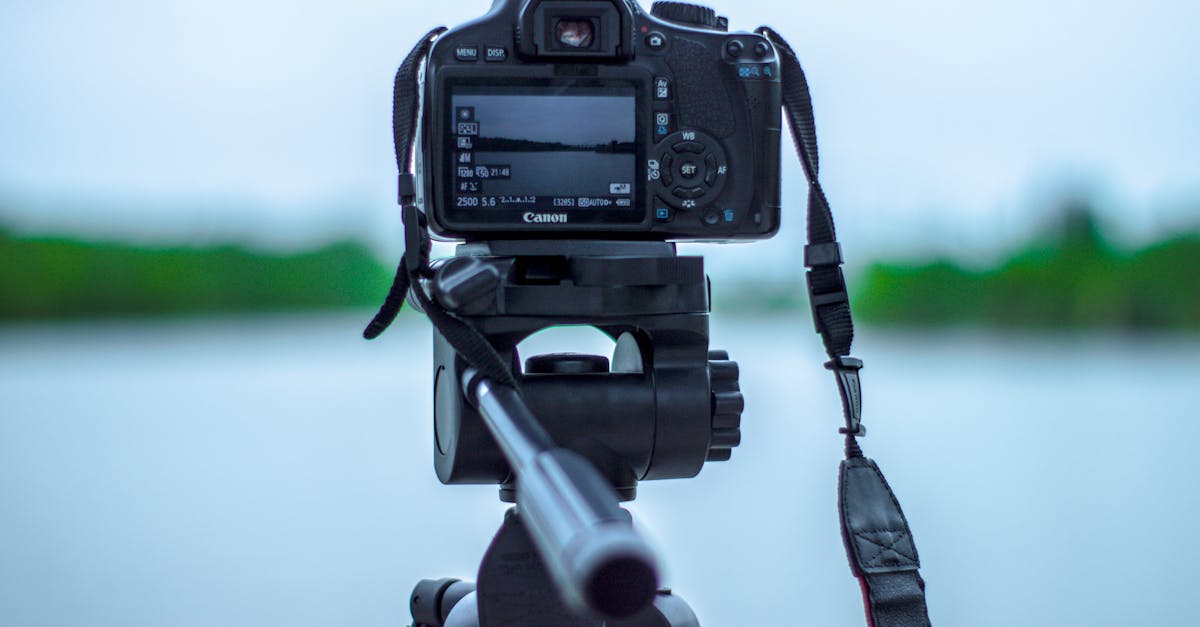
Canon, since its beginnings, has always managed to preserve an aura of expertise and simplicity in its consumer and semi-professional devices. The Canon EOS R10, for example, benefits from a philosophy focused on the ease of use and robustness of its RF optics. Its lightweight, ergonomic design contributes to a smooth user experience, even during long filming sessions. The brand also takes advantage of its strong background in photography to offer optimal compatibility with its lenses renowned for their optical finesse, stability and durability. In 2025, this configuration remains a preferred choice for videographers who favor lightness and an efficient production flow, while maintaining excellent image quality. The R10’s video features include 4K UP at 60 fps, built-in stabilization and a C-Log 3 log profile for advanced color management, making it a very serious option for creating dynamic content.
Ease of use adapted to all profiles

Anaïs Tondeur presents her exhibition “What the eyes do not grasp” at the Galerie du Château d’Eau, combining photography and ecological awareness
As we approach 2025, contemporary art is increasingly adopting a committed approach, questioning our relationship with nature and environmental protection.…
CONTINUER LA LECTUREIntuitive interface, allowing you to quickly configure focus and exposure.
- Compatibility with a wide network of Canon accessories and lenses, making it easy to adapt to different shooting styles.
- Presence of semi-automatic modes for beginners, as well as precise manual settings for experts.
- Stable image quality, even in variable conditions, with efficient and reliable autofocus.
- Long-term recording capacity without overheating or loss of quality, a real asset for long-term narration.
- Compare the two giants: which option to choose based on your priorities?
Beyond the technical specifications, the choice between the Sony FX30 and the Canon EOS R10 also depends on each user’s specific context. For example, an independent videographer looking for a lightweight, easy-to-carry camera that delivers high-quality video will instinctively consider Sony, given its innovations in stabilization and color profiling. Conversely, for a creator who prioritizes simplicity, robustness, and compatibility with iconic lenses, the Canon R10 seems more suitable. The key differentiation lies in the type of production you intend to do: if you want to make high-intensity documentaries, animations, or short films, the FX30, with its advanced profiling and dynamic range options, will likely be your best ally. For more traditional production or everyday use, the Canon R10 guarantees optimal efficiency and ease of adaptation to the environment.
For more in-depth information, check out our full comparison via this link.
Watch our captivating video that delves into some fascinating topics. Don’t miss this unique visual experience that will inform and entertain you every moment.Comparison Chart: Sony FX30 vs. Canon EOS R10
Sony FX30
| Canon EOS R10 | Sensor | 26 MP BSI-CMOS |
|---|---|---|
| 24 MP CMOS | Maximum Video | 4K at 120 fps |
| 4K at 60 fps | Autofocus | Eye-AF in Video |
| Dual Pixel CMOS AF | Stabilization | Optical + Digital |
| In-Body Digital | Weight | 646 g |
| Masculine, Lightweight, and Convenient | Connectivity | HDMI, USB-C, Wi-Fi, Bluetooth |
| Wi-Fi, Bluetooth, Microphone Jacks | Prospects and Limitations for Professional Video in 2025 | Both models are part of a growing trend: the convergence of photography and videography, still driven by digitalization. The popularity of cameras like the Blackmagic Design Pocket Cinema Camera, RED Digital Cinema cameras, and action solutions like GoPro and DJI, demonstrates a rapidly expanding market where each segment is finding its niche. The Sony FX30, with its 4K capabilities and advanced color profiles, is a strong fit for high-resolution productions, particularly for documentaries and short films. In contrast, the more accessible Canon R10 remains a preferred option for everyday shooting, lifestyle content, or reportage. The main limitation lies in compatibility with third-party accessories, which can vary depending on the manufacturer, as well as in heat management during extended shoots. |
Discover our latest video, which immerses you in captivating and informative content. Explore varied and enriching topics that will spark your curiosity and entertain you. Don’t miss this unique visual experience!
Future challenges: integration of AI and augmented reality
for autofocus, stabilization, and real-time color correction.
- Augmented reality: for assisting with composition and shot previews, particularly via smart glasses.
- Advanced hybrid systems: enabling seamless integration between cameras, drones, and post-production workstations.
- Ever-expanding compatibility: with editing software, particularly those incorporating AI to boost productivity.
- Frequently asked questions about choosing between the Sony FX30 and Canon EOS R10 in 2025 Is the Sony FX30 better for low-light video?
Yes, thanks to its high-sensitivity BSI-CMOS sensor, it offers better low-light performance compared to the Canon R10.
- Can the Canon EOS R10 compete with the Sony FX30 in terms of features? Although the R10 is easier to use, the FX30 wins in the race for advanced high-resolution video options.
- Which camera is best for beginners? The Canon EOS R10, with its lightweight design and intuitive interface, remains a favorable option for those new to professional video.
- Can both cameras be used for photography? Absolutely; their multifunctionality allows you to switch between photography and video with great efficiency. Check out this guide for more information.