
Full Comparison: Sony RX100 VI vs. Canon G7X Mark III, the Ideal Choice for Capturing Your Travel Adventures
As we approach 2025, the competition between compact cameras is reaching fever pitch. With the proliferation of models combining performance and portability, travel photographers must make informed choices. Among these renowned rivals, the Sony RX100 VI and the Canon G7X Mark III hold pride of place for their ability to combine practicality, image quality, and connectivity. These two compacts, emblems of their respective brands, each embody a vision of the world between realism and picturesqueness, but possess distinct strengths that can guide the selection based on each user’s profile.
Photography experts, as demonstrated by recent tests available on 01net, emphasize the importance of carefully analyzing each parameter: image quality, zoom, battery life, but also the essential connectivity for instantly sharing photos while traveling. The essential question then arises: which camera represents the best compromise for capturing the beauty of the world on the go, while remaining compact and easily transportable? A detailed analysis of these two models, supplemented by European and American comparisons, will allow you to make an informed choice in 2025, a year when cutting-edge technology is increasingly redefining travel photography. Explore the world through the lens of your camera with our travel photography guide. Discover tips for capturing breathtaking landscapes, vibrant cultures, and unforgettable moments during your adventures around the globe.Technical specifications: the heart of the choice between the Sony RX100 VI and the Canon G7X Mark III

LECTURE SUGGÉRÉE
Canon: Why choose the PowerShot G7 X Mark III over the Sony ZV-1?
In a market saturated with compact cameras, choosing often becomes difficult, especially when it comes…
LIRE L'ARTICLE
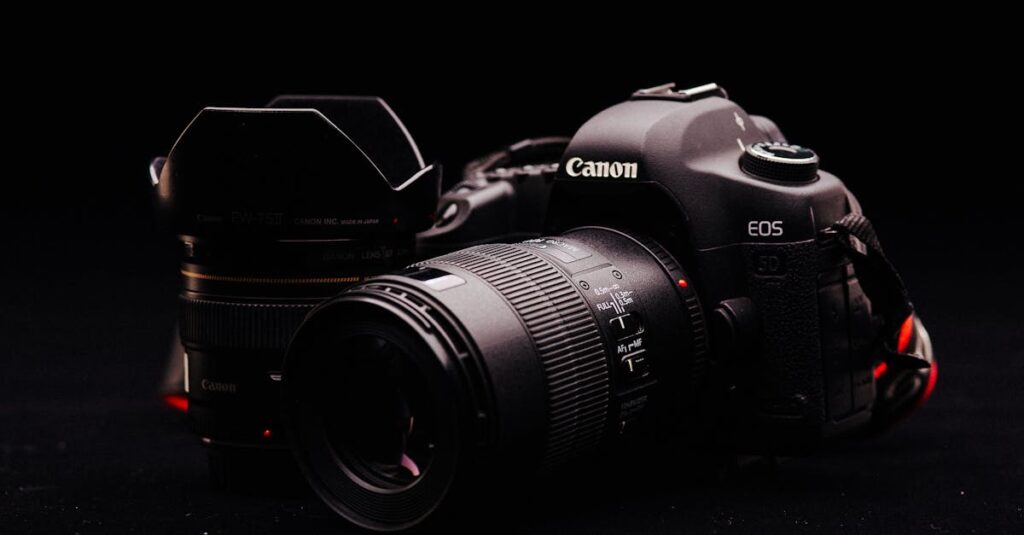
For its part, the Canon G7X Mark III opts for efficient simplicity. Its bright f/1.8-2.8 lens, coupled with a 1-inch sensor, allows for sharp images even in the dark. Its 4.2x zoom, from 24 to 100mm, prioritizes versatility while maintaining a compact size, ideal for travel. The ability to film in 4K without time limits, supported by Dual Pixel autofocus, makes this model a prime choice for vloggers and content creators. The này-over-2 platform is also equipped with Wi-Fi and Bluetooth connectivity, allowing you to quickly share your work on social media or launch remote controls. Features
Sony RX100 VI
Canon G7X Mark III
| Zoom | 8.3x (24-200 mm) | 4.2x (24-100 mm) |
|---|---|---|
| Sensor | 1″ BSI CMOS, 20 MP | 1″ CMOS, 20 MP |
| Max ISO | 12800 (exp.) | 12800 |
| Video | 4K UHD, HDR, 120 fps | 4K UHD, slow motion 120 fps |
| Connectivity | Wi-Fi, Bluetooth, face detection | Wi-Fi, Bluetooth, built-in microphone |
| Pros and cons as tested | The Sony RX100 VI boasts a remarkable zoom and fast focusing, ideal for dynamic travel photography. | The more compact Canon G7X Mark III offers better low-light handling thanks to its larger aperture and high-quality integrated video, which is highly sought after for vlogging. |
https://www.youtube.com/watch?v=Dy7nUEzkrnU
- This focus on the specifications clearly illustrates how each camera can suit a specific profile. The choice must also take into account ergonomics, ease of use, and durability in a world where compactness is a decisive criterion.
- Image Quality and Performance in Travel Conditions
The Canon G7X Mark III, with its f/1.8 aperture, captures more light, which is crucial when the sun sets or you’re in dark places. Electronic stabilization, combined with a bright lens, ensures sharp images even while walking. However, in high-contrast conditions, Sony’s sensor-shift can make a difference by providing increased sharpness.
Canon vs Nikon: Why Choose the Canon EOS R6 Mark II?
Summary In the vast world of modern cameras, choosing between Canon and Nikon remains a fundamental dilemma for enthusiasts and…
CONTINUER LA LECTUREAccording to tests conducted by experts on
Camerareviews
, low-light capture capabilities remain a key factor in determining the best camera for nighttime travelers or city dwellers. The speed of the autofocus, coupled with the ability to capture details even in dimly lit scenes, makes all the difference.
Zoom, connectivity, and additional features: the art of versatility Modern compact cameras must have optimized connectivity so you don’t miss the moment. The ability to quickly transfer photos via Wi-Fi or Bluetooth is essential today. The Sony RX100 VI, supporting 4.0 connectivity, allows instant management with a smartphone or tablet, practical during quick trips.The Canon G7X Mark III, with its Bluetooth and Wi-Fi compatibility, makes it easy to share high-quality images in real time. Its built-in timelapse function and support for 1080p slow motion video further enhance its functionality, making it a preferred option for vlogs and travel videos.
Functionality
Sony RX100 VI
Canon G7X Mark III
| WiFi/Bluetooth | Yes yes | Yes yes |
|---|---|---|
| Zoom | 8.3x | 4.2x |
| Photo in RAW | Yes | Yes |
| Timelapse | No | Yes |
| Slow motion videos | Yes (120fps 4K) | Yes (120 fps Full HD) |
| Both devices support shooting RAW photos, a necessity for later retouching or large format prints. | Depending on your projects, choose the Sony for zoom versatility or the Canon for better video rendering and optimal low light. | https://www.youtube.com/watch?v=o7vHhybIMws |
The Canon G7X Mark III, offering slightly lower battery life at approximately 240 shots, compensates with efficient power management and intuitive ergonomics. Its compact, precise, and dust- and splash-resistant design ensures smooth outdoor use.
Both cameras offer a solid tripod mount, facilitating stabilized shots or long exposures.
Compatibility with external batteries remains a bonus for extended expeditions.
Ergonomic handling is crucial to avoid fatigue during long photo sessions.
- At this stage, battery life becomes a major selling point for some adventurers. Durability in extreme or wet conditions can also tip the scales in favor of more rugged or waterproof models.
- Price, availability, and who comes out on top in 2025?
- Value for money remains a determining factor in the final choice. According to recent comparisons, the Sony RX100 VI, with its exceptional performance and range of features, commands a higher price, often over €800. The Canon G7X Mark III, on the other hand, is more affordable, while offering remarkable performance for travel photography.
Retailers (see Camerarace) regularly offer promotional offers, particularly for end-of-line equipment or bundles with accessories.
In terms of availability, both models remain easy to obtain, whether through physical stores or online. The preference then revolves around the specific performance desired, between the Sony’s extended zoom or the Canon’s brightness, illustrating the diversity of a thriving market.
Frequently asked questions when choosing between the Sony RX100 VI and the Canon G7X Mark III Which camera is best for low-light photography?The Canon G7X Mark III, thanks to its fast f/1.8-2.8 lens, is slightly superior in low light, but the Sony RX100 VI, with its extended ISO of 25,600, remains very competitive.
Which camera should you choose for vlogging or video content creation? The Canon G7X Mark III, with its unlimited 4K video resolution and slow motion capabilities, is the preferred choice for traveling vloggers.Which model offers the most portability?
This criterion goes to the smaller size and weight of the Canon G7X Mark III, which is more compact than the Sony, ideal for those who prioritize lightweight performance.
For a limited budget, which is recommended?
- The Canon G7X Mark III, often available at a more affordable price, is an excellent option for enthusiasts looking for high quality without spending a fortune.


