In a context where African American culture is deeply rooted in a spirituality that is both collective and intimate, the work of Carrie Mae Weems offers a poignant visual interpretation of this heritage. Through her lens, this renowned artist translates the singularity of a faith lived over generations, often intertwined with the natural landscapes that punctuate daily life. Her work, at the intersection of photography, performance, and storytelling, reveals how religion is not only a ritual, but a pillar of identity, a vector of memory, and a symbol of hope for the African American community. By focusing on the church in nature, Weems captures the vibrant, Black spirituality deeply rooted in rural and urban life, where faith manifests itself as much in prayer as in community solidarity. Carrie Mae Weems’s Journey: An Artist Committed to Exploring African-American Identity
A key figure in contemporary American art, Carrie Mae Weems has shaped her work around fundamental themes such as memory, history, race, and Black culture. Born in 1953 in Portland, she grew up in a working-class family where religion played a central role. Her work draws on this personal and collective experience, which she transcribes through striking photographs and powerful installations.
For over forty years, her series have often been a space for dialogue with the community, a form of resistance in the face of racial violence, and a tribute to African-American spirituality. The iconic series “The Kitchen Table,” for example, explores the place of Black women in society, as well as their relationship to faith, family, and intimacy. The autobiographical dimension gives her works a rare power of authenticity, illustrating their role in identity building and maintaining ties to the past and cultural heritage.
LECTURE SUGGÉRÉE
Michael Kenna: Photography as a Spiritual Journey
Michael Kenna embodies a singular vision of photography, where each image becomes an open door…
LIRE L'ARTICLEDiscover the fascinating world of spirituality, an inner journey toward self-knowledge and connection with the invisible. Explore different spiritual practices, philosophies, and approaches that enrich your life and nourish your soul.
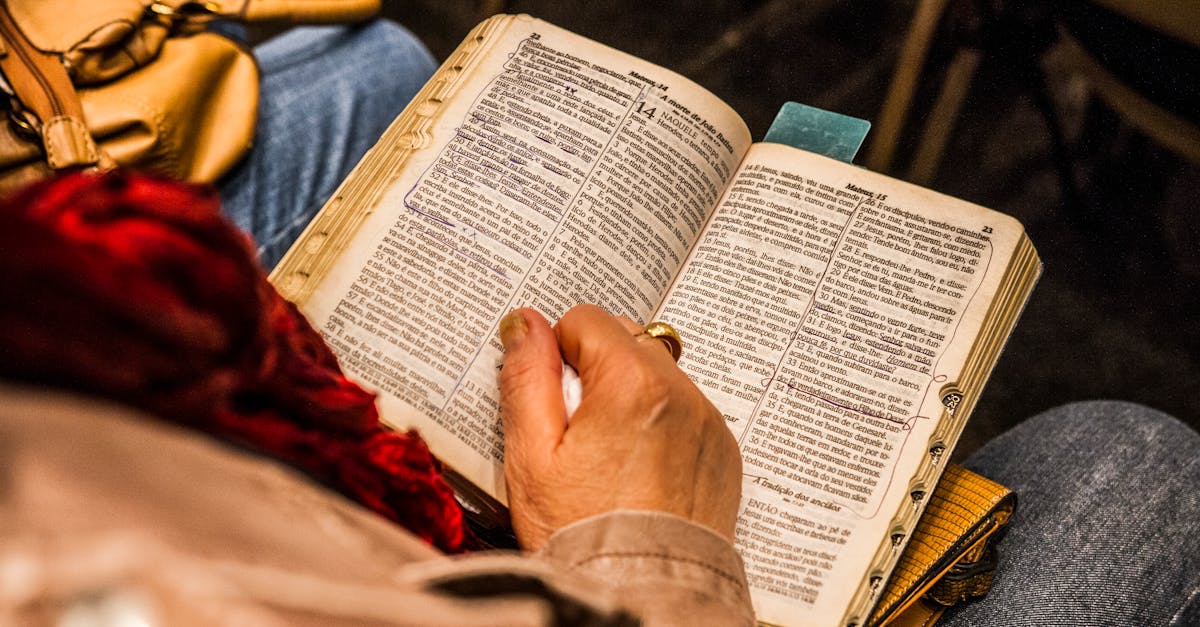
The role of the church in the African-American community extends beyond the religious sphere to become a true space of resistance, solidarity, and political awareness. The Black Church, often located on the outskirts of neighborhoods, embodies this sacred space where faith and political action intersect. It has proven to be a key element in the awakening of human consciousness and the struggle for equal civil rights.
Since the days of slavery, Black spirituality has been marked by a strong resilience in the face of oppression. Weems’s art illustrates this dimension by incorporating images of famous figures such as Martin Luther King, but also by paying homage to those moments when the church was the scene of impassioned preaching and community gatherings. The depiction of machine guns from history, songs, and prayers in his works underscores the interconnectedness of ardent faith and the struggle for dignity.
Key Elements of the Black Church

The Eye of Photography: A Look at Visual Art
At the intersection of psychology, aesthetics, and technique, the photographer’s eye is a vital gateway into the rich and nuanced…
CONTINUER LA LECTURE| Impact on the Community | A Place of Refuge and Hope |
|---|---|
| Political Mobilization, Education, Solidarity | Cultural and Artistic Resource |
| Transmission of Traditions, Cultural Resistance | Epicenter of Social Movements |
| Civil Rights Activism, Fight Against Racism | A Monumental Work: “Preach” at the Crossroads of Religion and Revolution |
Presented during a major retrospective in Turin in 2025, Carrie Mae Weems’ installation “Preach” embodies this unique combination of spirituality and struggle. The work features documentary images, historical figures such as Reverend Martin Luther King, as well as poetic and dreamlike visions. The photographer unfolds a visual narrative that blends religious chants, impassioned sermons, and natural landscapes, highlighting the union between the church and nature that envelops the spiritual experience of African Americans. https://www.youtube.com/watch?v=LDbtvaOtOP4
This work reveals how faith, often practiced outdoors or in places close to nature, becomes a form of resistance and an affirmation of identity. The images also combine intimate scenes, such as a mother walking to church amidst the vegetation, evoking this ancestral practice where the community drew strength from communion with nature.
In the modern context, several elements illustrate the permanence of this relationship between faith and nature in African American culture. The practice of praying in the woods, at fairs or community events, testifies to an ancient heritage where spirituality is immersed in the natural landscape. Some religious leaders explicitly encourage this connection to the land, viewing it as a sacred space allowing for a more authentic communion with the divine.
Here are some examples illustrating this tradition:
Outdoor gatherings for prayer or religious chanting
The use of natural landscapes for meditation and rejuvenation
- Initiation or transmission ceremonies, often held in gardens or forests
- Returning to historical or sacred sites linked to the memory of struggle and faith
- The combination of religious practice and artistic activities in the great outdoors
- According to a study published in 2025, 68% of African Americans surveyed believe their faith is strengthened outdoors, in places where nature becomes a space for contemplation and prayer. An in-depth study of natural spirituality highlights this cultural continuity, which is also reflected in Weems’ works, where nature becomes a vehicle for expression and resistance.
- Discover the depths of spirituality, an inner journey toward peace, wisdom, and connection with oneself and the universe. Explore transformative practices and philosophies that nourish the soul. Contemporary Issues Related to Spirituality Outside the Church Walls
Outdoor religious practice is not only an ancient tradition; today, it is a space of protest against a society often perceived as disconnected from its roots. In the year 2025, the trend toward returning to these natural practices is part of a broader movement of identity renaissance, particularly among African-American youth.
The preservation of natural sites considered sacred
The promotion of alternative spiritual practices in urban areas
The official recognition of these rites as an integral part of cultural heritage
- Respect for community values linked to nature and faith
- The development of new forms of artistic mediation based on these elements
- Frequently Asked Questions about African American Spirituality and the Work of Carrie Mae Weems
- What importance does the church hold in contemporary African American culture?
- It remains a central pillar in the construction of identity, a platform of resistance, and a gathering place where faith and community spirit intertwine to preserve cultural heritage.
How does Carrie Mae Weems translate the relationship between faith, nature, and memory in her works?
- Through her photographs and installations, Weems fuses documentary images, poetic visions, and autobiographical scenes, illustrating the communion between spirituality, the environment, and historical legacy.
- What are the main issues surrounding spiritual practice in nature today?
- They concern the preservation of sacred sites, the recognition of these rites as cultural heritage, and the struggle to ensure that this authentic dimension remains alive in the face of modernity and urbanization. How does Carrie Mae Weems’s art raise awareness of African-American culture?
- Her work acts as a vehicle for history and memory, revealing the richness of religious traditions and their role in identity building, while denouncing social and racial injustices.
- Source:
- www.lemonde.fr