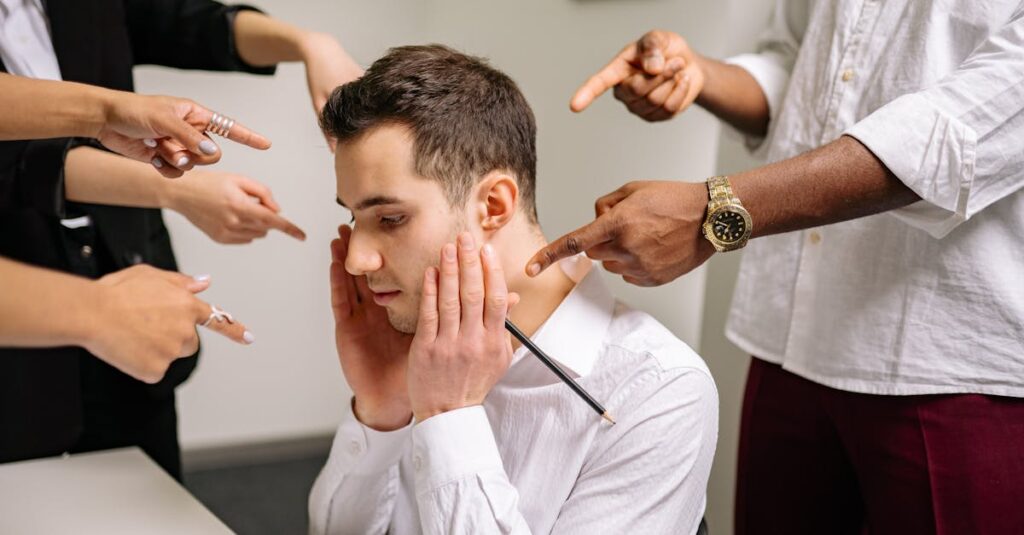
In a tense atmosphere, Alexandre Champagne, a key figure in Quebec’s creative scene, recently sparked strong reactions in response to harsh criticism of his work as a photographer. Also known for his career as a comedian, he combines unparalleled sensitivity with a certain popularity, earning him as many admirers as detractors. The controversy erupted during a series of virulent exchanges on social media, exposing the fragility of artists in the face of public scrutiny. Behind this strong reaction lies the tension inherent in any artistic endeavor, where every perspective, every critique can become a major personal issue, especially for a personality as high-profile as Champagne.
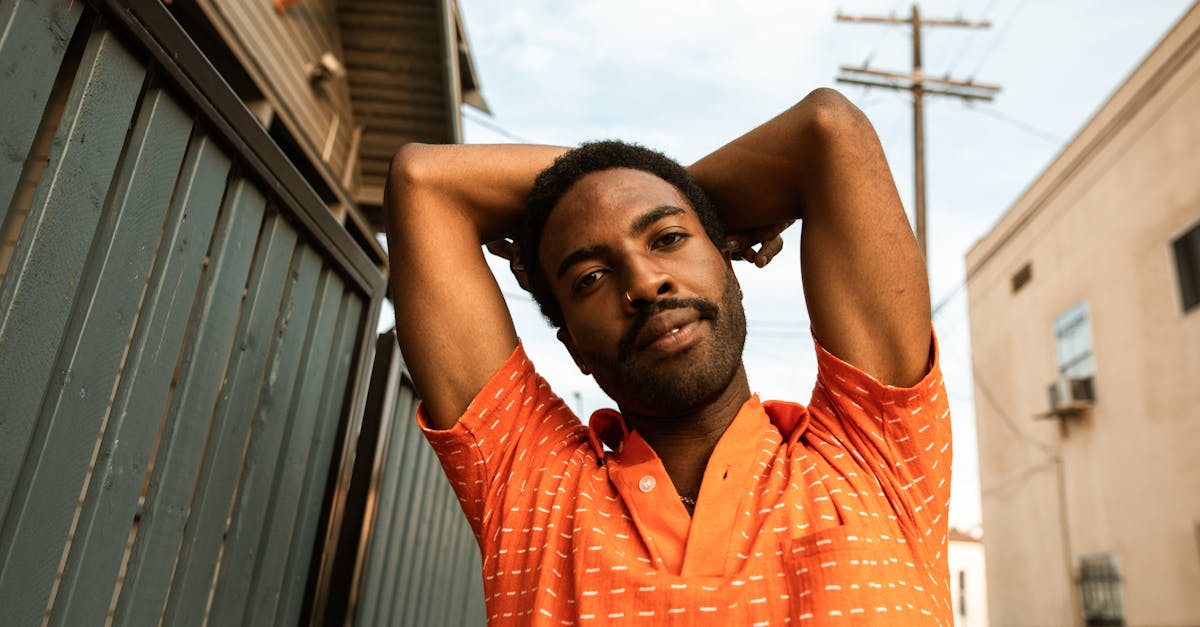
Originally from Quebec, Alexandre Champagne first made a name for himself as a comedian, a field in which he made a lasting impression with a versatile style blending satire, spontaneity, and commitment. But behind the facade of a newly launched comedian lies a true photography enthusiast. For several years, his curiosity for images has evolved into a regular practice, readily sharing his works on social media. These photographs, which he considers an art form in their own right, are more than just a hobby. They reflect a vision of the world that lies somewhere between realism and the picturesque, a keen eye that captures the quick, the fleeting detail, and even the personality of the subjects he captures on the fly.
His work spans a broad spectrum, from celebrity portraits to snapshots of everyday objects and major events. These images, often full of spontaneity, demonstrate a keen eye and boundless creativity. Champagne’s popularity in the digital sphere continues to grow, particularly thanks to his participation in innovative projects such as the recent launch of his book dedicated to photography. This project, described as “almost alive” by his fans, aims to demystify and democratize the art of photography among the general public, offering simple, accessible, yet effective techniques—a true invitation to explore one’s own creativity.

LECTURE SUGGÉRÉE
Ed Alcock, Franco-British photographer, crowned winner of the 2025 Niépce Gens d’images prize
The Niépce Gens d’images Prize, a major distinction in the world of professional photography, was…
LIRE L'ARTICLEA body of work that leaves a distinctive mark:
Elegance in capturing intense moments.
- A fine sensitivity to light, color, and atmosphere.
- An ability to pay homage to the beauty of everyday life.
- A diversity of themes and styles to reach a wide audience. This artistic journey makes Champagne not only an eclectic creator, but also an unwavering symbol of Quebec youth who dare to do anything, even outside the traditional paths.
- Discover the different facets of criticism, its challenges, and its impact in various fields such as art, literature, and society. Analyze divergent opinions and enrich your understanding of the world around you.
Critics, a current issue for artists: how to respond to controversy?

Keys to a balanced response
Aspect

Indian women who weave their destiny through the art of photography
In the rich world of Indian photography, a new generation of artists is emerging, skillfully blending tradition and modernity. These…
CONTINUER LA LECTURERecommended strategy
React with moderation
| Take time to reflect before responding, avoid impulsive responses. | Maintain professionalism |
|---|---|
| Dissociate yourself from personal attacks to preserve credibility. | Engage in constructive dialogue |
| Instigate a respectful exchange to change perceptions. | Use humor or self-deprecation |
| Facilitate confrontation while defusing conflict. | This case illustrates that, even for an author like Champagne, the approach to criticism remains a fragile exercise, combining reserve and authenticity. |
| Discover our in-depth exploration of criticism in all its forms. We analyze trends, emblematic figures, and the impact of criticism in the worlds of art, literature, and the media. Immerse yourself in a world where reflection and evaluation intertwine. | The Challenges of Artistic Criticism in the Digital Context of 2025 |
In the digital age, criticism is no longer limited to specialized circles or traditional media. It is becoming externalized, multiplied, and an essential component of the artistic experience. For creators like Alexandre Champagne, this development presents both opportunities and risks. Instant visibility allows them to reach a wide audience, but also exposes them to criticism that is often virulent, sometimes unfounded, or simply born of passing moods. The central question now revolves around how artists can build resilience in the face of this media storm.
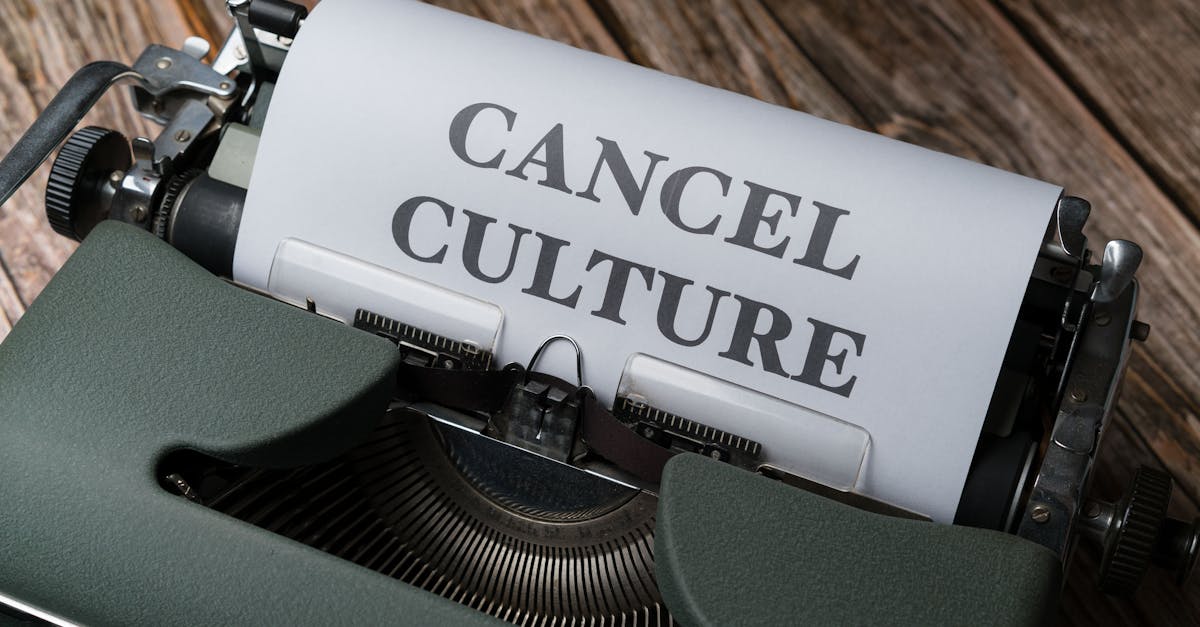
Some tips for handling online criticism
Analyze the criticism to identify its useful content.
Don’t respond immediately; wait for a moment to step back.
Distinguish between constructive criticism and personal attacks.
- Use social media to highlight your authenticity.
- Seek support from coaches or communications consultants if necessary.
- Provocations on social media: a mirror of a changing society
- Alexandre Champagne’s recent reactions to his criticism are symptomatic of a broader phenomenon: the rise of provocations and confrontations on digital platforms, a reflection of a rapidly changing society. In this society where individuals increasingly assert their individuality, the line between sincere expression and gratuitous provocation is becoming increasingly blurred. While some see these exchanges as a way to break the monotony or shake up consciences, others primarily perceive them as a form of tyranny of the moment and popularity.
- The Champagne case also highlights how celebrity amplifies these issues. With a loyal community, every gesture can be seen as an example to follow or reject. How an artist chooses to respond or not to criticism thus becomes a broader message about resilience and wisdom in a world where constant exhibitionism has become the norm. The rise of digital provocations forces us to rethink how society perceives creativity, tolerance, and mutual respect.
The Risks and Benefits of Controlled Provocation
Risks
Potential Benefits
Reputational Crisis
| Attracting Attention and Creating Marketing Buzz | Misunderstandings or Distortions |
|---|---|
| Reinforcing One’s Image as an Authentic Person | Isolation or Rejection |
| Stimulating Reflection on Sensitive Issues | Fast-Moving Fad |
| Sparking Engaged Debate in the Community | This context is part of a dynamic that questions the artist’s place in contemporary society, balancing freedom of expression and social responsibility. |
| Ways to Avoid Going Off the Rails in Criticism Management: The Champagne Example | For an artist like Alexandre Champagne, the path to effectively managing criticism does not involve systematic confrontation. His recent behavior, oscillating between impulsive reaction and attempted confrontation, demonstrates the complexity of this approach. However, institutional or personal strategies can facilitate this management with complete peace of mind. Therefore, learning to step back, protecting oneself mentally, and developing controlled communication skills become essential tools for dealing with any type of public evaluation. |
Among these methods, several stand out:
Adopt an active listening stance, even in the face of the most virulent criticism.
Set limits on reactivity, avoiding immediately responding to every inflammatory comment.
Validate one’s works and intentions to better defend one’s artistic approach over time. Engage in a personal development process, particularly through meditation or psychotherapy, to better manage your emotions.
- Supervise your public interactions with the help of specialized counselors or mediators.
- This case demonstrates that at a time when fame has become a source of vulnerability, self-control and clear communication are essential keys to preserving your artistic integrity.
- Digital tools for effective management
- Use filters or settings to limit the impact of hateful comments.
- Implement moderation options to control interactions.
Regularly consult digital communication experts to adjust your strategy.
Document any form of abuse so that legal action can be taken if necessary.
- Train your community to be considerate by disseminating positive values.
- These measures, again, help create a climate conducive to artistic expression while preventing criticism from becoming a source of conflict.
- https://www.youtube.com/watch?v=mGPL6fOGkNg
- https://www.youtube.com/watch?v=D_H9JeuwXjU
- A reflection on the persistence of art in a rapidly changing digital world
Throughout his career, Alexandre Champagne has demonstrated that art cannot be reduced to a simple product for immediate consumption, especially in a context where superficiality often seems to prevail. Facing criticism also reminds him of the need to defend a creative stance, capable of taking a step back from the prevailing turmoil. Photography, in an age where every image can be amplified with a few clicks, is becoming as much a weapon as a means of expression, a vehicle for emotion and reflection.
Influence
Objectives
Make social issues visible
Use photography to amplify the voices of the voiceless
| Innovate with advanced digital techniques | Create immersive or interactive works to engage the public |
|---|---|
| Foster a diversity of perspectives | Represent a plurality of points of view for a more inclusive society |
| Promote responsible ethics | Respect the image and intimacy of the subjects, even in spontaneity. |
| For Alexandre Champagne, photography in 2025 is not just an art form: it is a beacon in a society undergoing profound change. His work, and his response to criticism, illustrate how perseverance and authenticity remain more essential than ever in this endless artistic adventure. | Frequently asked questions about Alexandre Champagne’s reaction to criticism |
| How did Alexandre Champagne react to the criticism? | Initially, he responded vigorously, denouncing the attack, but quickly deleted his post to avoid an escalation. His reaction illustrates an inner struggle between sensitivity and the desire to defend his art. |
What can an artist learn from this situation?
The need to control one’s emotions, prioritize respectful communication, and know how to protect oneself from disproportionate or hateful criticism.
- What lesson can the artistic community learn from this? That criticism must remain constructive and respectful, otherwise it becomes toxic and counterproductive. Patience and perspective are often the best weapons.
- Does the digital context influence the perception of art? Absolutely. The speed of evaluation and anonymity can amplify misunderstandings. Managing this dimension is essential to preserving the artist’s integrity.
- What is the future of artists facing criticism? The ability to build resilience, value their authenticity, and engage in constructive dialogue will be essential assets in the digital world of 2025.
- Source: www.lesacdechips.com