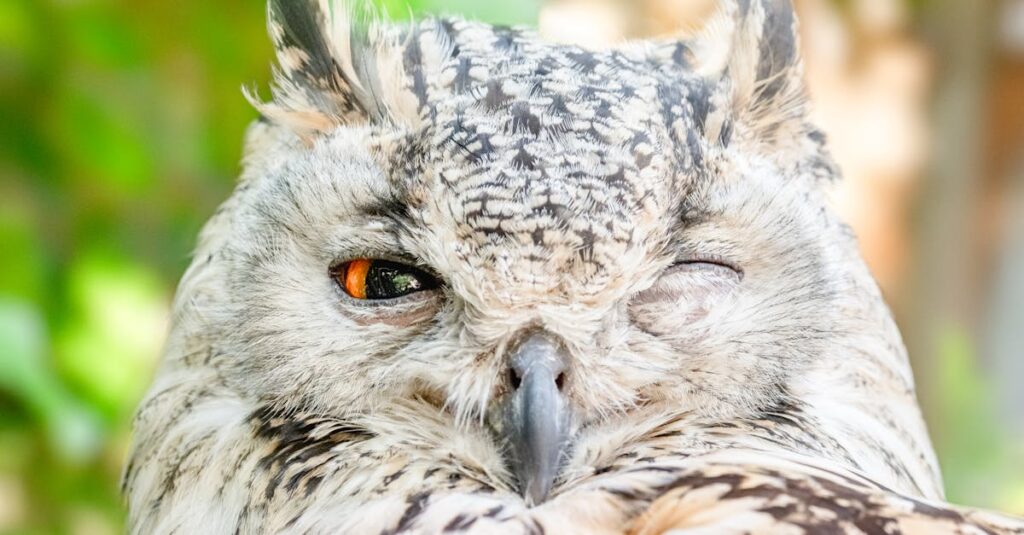
A unique encounter with a baby Athenian little owl in a cemetery in the Marne department
Over the years, nature continues to reveal its wonders to attentive and passionate observers. In 2025, in a peaceful cemetery in the Marne department, an unexpected scene captured the attention of wildlife and biodiversity enthusiasts: a baby Athenian little owl, also known as Athena’s owl, was photographed in an unusual location. This small nocturnal bird of prey, a symbol of intelligence and wisdom since Antiquity, has taken over a space as steeped in history as a cemetery, revealing the interconnection between the urban environment and wildlife. This discovery was no accident, but rather the result of the efforts of passionate photographers who, with patience and respect, document the unsuspected richness of the local biodiversity. The presence of this owl, often associated with symbols of knowledge, is as intriguing as it is fascinating, prompting reflection on the conservation of even the most discreet species, which are essential to a healthy ecological balance, particularly in areas as unusual as these places of memory. The photo, taken by photographer Marc Bérat, perfectly illustrates this fragile alliance between man and nature, encouraging a broader awareness of the importance of preserving every fragment of our biodiversity.
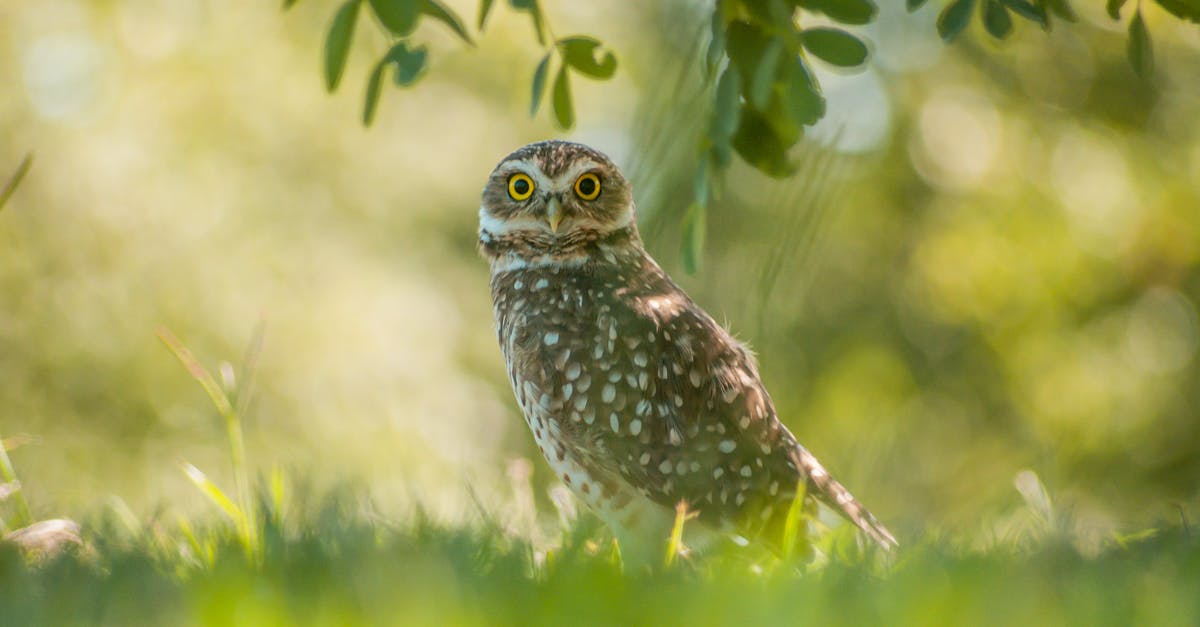
The Little Owl of Athens: Portrait of a Symbol of Wisdom and Biodiversity
The Athenian little owl, or Athene noctua, is a fascinating species that, unlike its larger counterparts such as the eagle owl, stands out for its stocky body and unique features. Measuring on average around 20 centimeters with a wingspan of up to 58 centimeters, this small owl is notable for its compact appearance, its round, plumeless head, and its mottled plumage ranging from brown to gray. Its silhouette resembles a living ball, perfectly adapted to the nocturnal life to which it devotes most of its hours. In terms of diet, it mainly hunts small prey such as insects, rodents, or small birds, thanks to its keen vision and keen hearing, two essential tools for its survival in an often hostile habitat. The little owl is now found in a variety of ecosystems, but its presence in urban areas, particularly on the outskirts of cities or in abandoned lots, is a testament to its adaptability. Considered an emblem in several cultures, it embodies wisdom, both in Greek mythology and in modern symbolism. Its enduring symbolism in the history of Western culture makes the owl a vehicle for transmitting knowledge and scholarship, essential elements for understanding our natural environment.

LECTURE SUGGÉRÉE
The James Webb telescope captures its first image of an exoplanet
In 2025, the universe still holds many surprises for those who scrutinize its mysteries using…
LIRE L'ARTICLE
Key Characteristics of the Little Owl
| Characteristics | Details |
|---|---|
| Size | Approx. 20 cm |
| Wingspan | 54 to 58 cm |
| Weight | 150 to 200 g |
| Primary Habitat | Semi-open areas, eschewing dense forests |
| Diet | Insects, small rodents, and birds |
Biodiversity in peril: the role and conservation of the little owl in our environment
The exceptional presence of this owl in a cemetery in the Marne department raises a critical conservation issue. Several years old, this small raptor plays a key role in the local ecological balance. By regulating the population of small mammals and harmful insects, the little owl indirectly contributes to the preservation of natural heritage. However, the degradation of certain habitats, urban densification, and the use of pesticides have drastically reduced the areas where it can find refuge. The ecological niche it historically occupied is now threatened, which explains the need to implement concrete strategies for its protection. The cemetery, a marginal space for many, then becomes a haven of peace and biodiversity for this species, illustrating that even in unconventional places, nature finds a way to flourish. An increasing number of local and national initiatives are aimed at preserving these small birds of prey, particularly through the creation of nesting boxes or the restoration of semi-natural habitats. Public awareness is also crucial: understanding these birds, their importance, and the means to protect them is becoming a fundamental step in ensuring the sustainability of this fragile biodiversity. The little owl, a true guardian of the night, symbolizes the urgency of preserving a precious and often discreet natural heritage. A remarkable specimen, immortalized in this cemetery in the Marne department, bears witness to the intimate link that can exist between historical heritage and modern biodiversity.
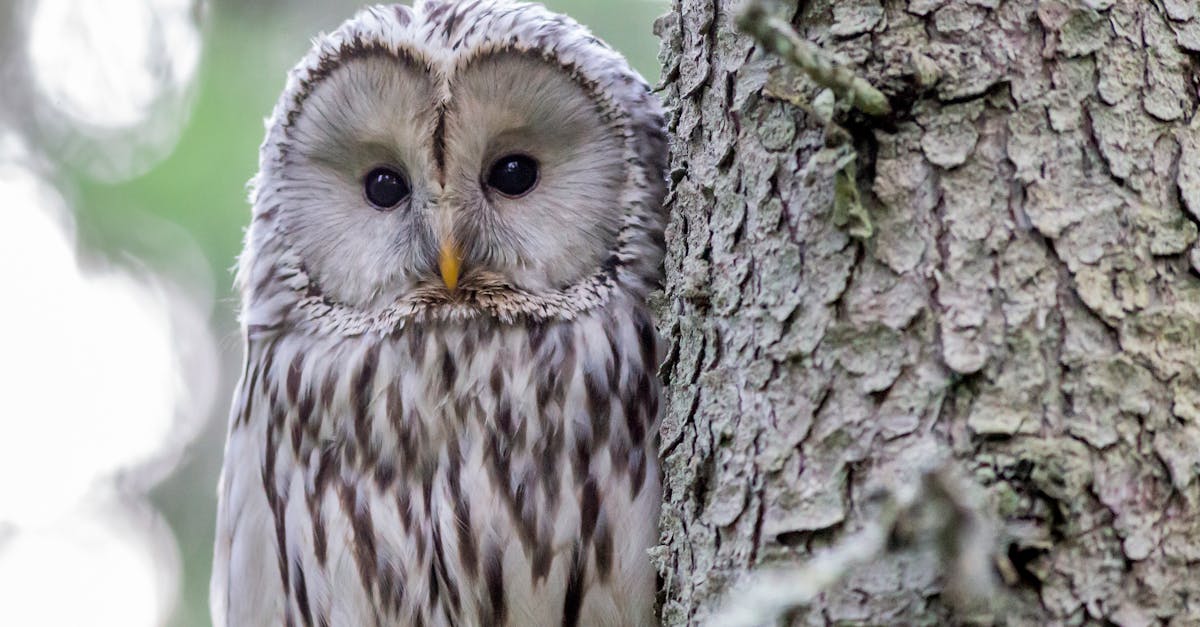
Concrete actions to protect the little owl
- Installation of specific nest boxes in at-risk areas
- Restoration of semi-natural habitats in rural and peri-urban areas
- Awareness programs in schools and local communities
- Reduction of pesticide use in nearby areas
- Observation and in-depth study to better understand their habitat preferences
The desire to preserve this species also requires a better understanding of its needs and behaviors. For those who wish to contribute to the protection of biodiversity, there are initiatives that offer concrete opportunities for engagement. By collaborating with photographers or associations like Clicovia, every citizen can become an active player in the conservation of these rare species. Photography, in particular, plays a central role in raising awareness and documenting the species, allowing the general public to discover the wild beauty of these small nocturnal birds. A combination of scientific research, community action, and awareness-raising is the best way to safeguard the little owl, an enduring symbol of wisdom and the fragile biodiversity that surrounds us in this rapidly changing world. A remarkable photographic scene: the context and the emotion captured by Marc BératThe role of the wildlife photographer appears fundamental in raising awareness about biodiversity. Marc Bérat, originally from Montmirail in the Marne department, embodies this approach, blending art and ecology. His recent photograph of a baby little owl in a cemetery on a misty morning illustrates the pure emotion he can convey. Beyond their aesthetic aspect, his photos highlight the often invisible vitality of the wildlife that coexists with our urban or rural spaces. Patience, slowness, and respect for the animal are essential values in this approach. The scene immortalizes a precious moment, where a small beak, covered in downy fluff, already seems to embody all the wisdom of its mythological ancestors. Photography then becomes a powerful vector for raising awareness about the preservation of these endangered species. The authentic beauty of these images goes beyond the simple capture of a moment; they become living testimonies of the unsuspected richness of our environment. The photographer’s approach, which knows how to capture the swift or the discreet, thus contributes to the movement to preserve biodiversity, emblematic of our era where every action counts for the future of these small nocturnal birds.
https://www.youtube.com/watch?v=gvB1rPwK-o8
Photographic techniques for immortalizing nocturnal wildlife

Montélimar and Le Teil: one day, one snapshot under the eye of Michèle Eybalin
Montélimar and Le Teil: A Photographic Immersion in Local Culture Through the Eyes of Michèle Eybalin In the year 2025,…
CONTINUER LA LECTUREhttps://www.youtube.com/watch?v=TWFCLWHsBL4
Frequently Asked Questions (FAQ) about the Athenian Little Owl and its Conservation What is the main threat to the little owl in 2025? The main threats are the degradation of its natural habitat, increasing urbanization, and the intensive use of pesticides, which are reducing its nesting and hunting grounds.
By installing nest boxes, avoiding the use of pesticides, and participating in local awareness programs, everyone can do their part to protect them.
- What is the historical symbolism of the Athenian owl?
- In Greek mythology, it represents wisdom, knowledge, and vigilance, being associated with the goddess Athena, guardian of knowledge and the city.
- Where can you see the little owl in the wild in France?
- It is mainly found in the south of France, particularly in Provence, but also in several semi-open areas in Île-de-France and the Grand Est region.
- What research efforts are being deployed in 2025 to better understand its habits?
- GPS tracking programs, behavioral studies, and awareness campaigns are underway to better understand its needs and nocturnal movements.
- Source:
- actu.fr