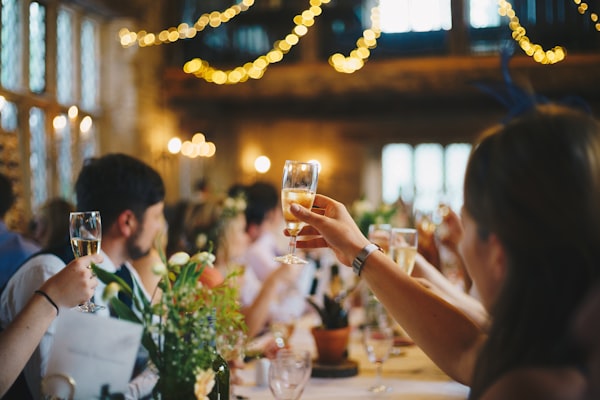
During this 2025 edition, the 8th Rencontres photographiques de Via Silva in Cesson-Sévigné opened a new era by integrating artificial intelligence into the heart of the artistic process. More than just a technological trend, this prestigious event highlights the symbiosis between innovation and creativity in photography, offering an immersive experience where visual art pushes its boundaries. For several days, artists, technicians, amateurs and enthusiasts were invited to explore the issues, possibilities and challenges posed by the integration of artificial intelligence into photographic practice. The meeting of these two worlds, often perceived as antagonistic, opens a profound reflection on the way in which digital tools shape our vision, redefine codes, and offer new perspectives for artistic expression. This unprecedented marriage of technology and photography also testifies to the dynamism of Cesson-Sévigné in the field of culture and contemporary art, affirming its place as a reference place for bold experimentation. To understand its scope, it is essential to understand the recent history of this synergy and grasp its long-term implications, in a context where creativity is more than ever a field of innovative experimentation.

The Via Silva Photographic Encounters: a space for innovation and dialogue between artists and technology
The Via Silva Photographic Encounters have always distinguished themselves by their ability to combine tradition and avant-garde, placing innovation at the heart of their programming. This year, the technological dimension was concretely translated into a series of exhibitions, workshops, and conferences focused on artificial intelligence in photography. These encounters constitute a veritable laboratory of visual art, where each participant can discover how algorithms can become creative partners, even collaborators, in the production of images. The networking of emblematic figures of contemporary photography with AI experts opens a stimulating dialogue, capable of evolving artistic practices. Through concrete examples, it is possible to see how certain artists rely on these technologies to create works that question the very notion of reality or perception in the image. Highlighting this convergence also encourages a critical perspective, in the face of ethical issues related to the use of data, copyright, and the possible generation of mass fakes. Attendance at these spaces reflects a growing interest in integrating digital innovations into visual culture, while also raising questions about regulation and responsibility in this new artistic era.

LECTURE SUGGÉRÉE
Discover the superb photos honored by the 2025 environmental photography prize
Summary A Brilliant Vision of Environmental Commitment Through Exceptional Photographs In 2025, the world of…
LIRE L'ARTICLEThe Evolution of Photography in the Face of the Rise of Artificial Intelligence: A Profound Upheaval
Over the years, photography has always been a mirror of technical advances, whether in film, digital, or high-resolution sensors. The arrival of artificial intelligence has radically changed the game, propelling the field into a new dimension where image creation, reproduction, and manipulation are being revolutionized. Today, it’s no longer just about capturing a moment, but also about storyboarding, modifying, and even generating a scene using intelligent tools. Many photographers are leveraging these technologies to accelerate their workflow or enrich their artistic palette, sometimes with spectacular results. According to a recent study, more than 70% of professionals in Europe consider artificial intelligence a major opportunity to renew the practice of photography. The following list summarizes some key innovations:
- Automatic retouching: Software like Lumys allows you to obtain perfect images in just a few clicks. Image creation from descriptions:
- AIs such as DALL·E or Midjourney facilitate the creation of works based on specific keywords. Faithful reproduction of reality:
- Thanks to super-resolution algorithms, details become sharper and more precise. Fake detection:
- Automated analysis tools quickly detect manipulated images, a crucial issue in the fight against disinformation. This development raises fundamental questions, particularly regarding the authenticity and ownership of works. The role of human creativity versus AI’s ability to generate artistic content is more than ever at the center of the debate, enriching the discussions at the Rencontres d’Arles and other cultural events.
Discover the fascinating world of artificial intelligence, a revolutionary technology that is transforming our lives, improving our processes, and paving the way for incredible innovations. Dive into the advances, applications, and ethical challenges of AI. Artists and their critical outlook on artificial intelligence in visual art As enthusiasm for these innovations grows, a multitude of voices are being raised to highlight the ethical and artistic issues. Among them, some artists are taking the risk of exploring the boundary between human and machine by producing hybrid works or questioning the plausibility of what they create. The figure of the artist as author thus becomes central, faced with the question: can AI truly be a partner or is it merely a tool at the service of a human author? The debate illustrates a tension between innovation and tradition, between technical capacity and artistic sensitivity. Some, like photographer Jean-Christian Bourcart, use artificial intelligence to enrich their approach by merging archives, contemporary images, and digital simulations. Others, however, remain skeptical, fearing a standardization of works or a loss of authentic expression. The reflection goes beyond simple technology to address profound themes, such as intellectual property, algorithmic transparency, and responsibility. Some exhibitions today offer a critical look at these uses, while promoting the creativity of new modes of expression, thus illustrating an opening towards a changing visual art.

In a context where technological innovation is advancing rapidly, the photography industry is facing a series of controversies fueled by the intensive use of artificial intelligence. The question of image credibility, particularly through the proliferation of fakes or deepfakes, is fueling a national and even international debate. Academic, professional, and institutional circles are concerned about the risks to visual truth and transparency. The search for regulatory safeguards has therefore become a priority. Furthermore, the equipment market has undergone a revolution with the release of numerous cameras incorporating AI features, such as the new releases from Nikon and Sony, allowing everyone, from professionals to novices, to master these tools. The list below summarizes some of the major issues:
Copyright protection: The difficulty in distinguishing a human work from an AI-assisted creation Authenticity and disloyalty:
Discover the photograph of the year selected by BigPicture
Each year, the California Academy of Sciences’ renowned BigPicture competition showcases the most captivating images of wildlife from around the…
CONTINUER LA LECTUREThe manipulation of photographs to deceive or manipulate public opinion
Responsibility: The need to define who is responsible in the event of abuse or misconduct Impact on employment:
- The fear of seeing certain traditional photography professions disappear Faced with these challenges, regulation is becoming a major issue, discussed in particular during the
- Parliament of Photography and in other specialized forums. The convergence of innovation and ethics remains the central challenge to ensure an ethical future for photographic practice in the era of artificial intelligence.
- The Via Silva Meetings thus illustrate the need for open and responsible dialogue for a harmonious evolution between technological progress and artistic values. The reference to the digital revolution of the 20th century is now becoming a crucial step in collective reflection, ensuring that artificial intelligence becomes a vector of creativity and not a factor of division. Source:
- www.ouest-france.fr