An intuitive immersion into the ethical approach of the ‘À pas feutrés’ collective in Baume-les-Messieurs
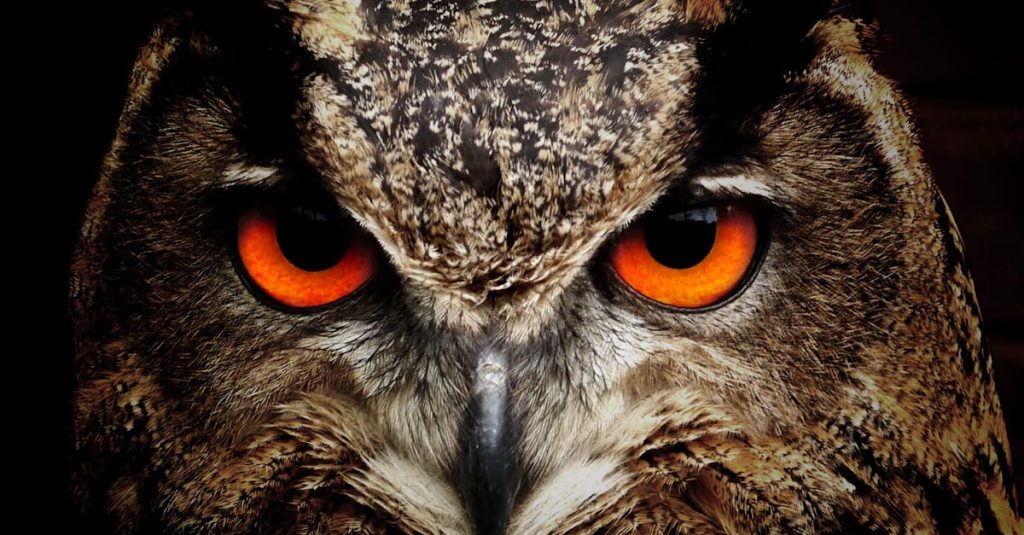
Within the peaceful confines of the Baume-les-Messieurs abbey, a veritable movement to raise awareness of respectful wildlife photography is unfolding, embodied by the ‘À pas feutrés’ collective. Through an exhibition rich in twenty years of exploration, Guillaume François, a nature photographer, and Amélie Sabanovic, a committed watercolorist, subtly illustrate the symbiosis between art, respect for wildlife, and conservation of natural heritage. Fully aware of the damage caused by a still too often invasive photographic practice, their approach is part of a firm desire to promote an ethical vision. Their “green footprint,” as they like to call it, inspires a new perspective on wildlife, where each image becomes an act of respect and preservation. The philosophy of “Instant Faune” and “Objectif Nature” is embodied in these works, which invite a true reconnection with the living, while highlighting the urgent need to protect these unsuspected refuges in the Jura. More than just an exhibition, this is a call to look at nature with gentle and responsible eyes, to preserve these “Wild Views” that make up a precious living heritage.
The paths of ethical commitment: Guillaume François and Amélie Sabanovic face responsible wildlife photography
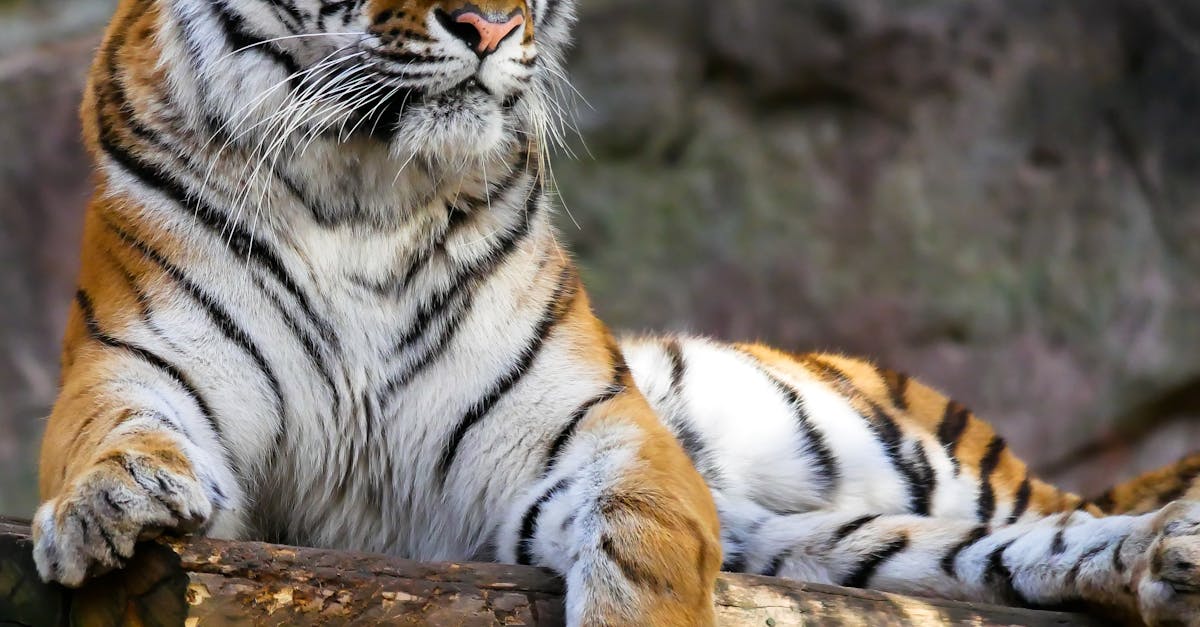
The careers of Guillaume François and Amélie Sabanovic extend far beyond photography. Their ethical commitment is based on valuable field experience spanning more than 3,000 days spent on the lookout in the Jura region, notably tracking the elusive Eurasian lynx. This meticulous work reveals a deep passion for protecting the “Reflections of Harmony” between man and nature. Guillaume, a naturalist first and foremost, often confides that his approach is intended as a counterpoint to the traditional methods sometimes discussed in photography training courses or workshops. He insists on using discreet equipment, without disturbing the animals, to maintain their natural behavior, thus avoiding the artificial “Animal Light” that some seek to create at all costs. The approach is also intended to be educational: raising awareness of “Respect Nature,” particularly by combating the practices of repelling or attracting animals with questionable techniques. Their association, “Je suis sensible” (I am sensitive), embodies this vision. Their example proves that it is possible to reconcile passion and responsibility, transforming each shot into a true testament to respect and authenticity. https://www.youtube.com/watch?v=U4KH6f18hDkThe fundamentals of ethical wildlife photography: techniques and tips for respecting nature

LECTURE SUGGÉRÉE
Pregnancy photoshoot: tips for a successful photoshoot
Pregnancy is a journey filled with precious moments and intense emotions. Immortalizing this time with…
LIRE L'ARTICLEFocus on remote photography, using powerful telephoto lenses.
Limit artificial light, especially when shooting at night.
- Avoid any direct intervention or noise that could frighten the wildlife.
- Respect their habitats by avoiding the destruction of plants or sensitive land.
- Promote long-term monitoring, which is essential for understanding and respecting their natural cycles. The technique of camouflage, combined with strict ethics, then became the primary tool for capturing wildlife without compromising it. To learn more about these methods, it is recommended to consult
- modern wildlife photography techniques
- . The discipline today offers a balance between technological innovation and deep respect for those involved in the field.
Discover the art of wildlife photography: tips, techniques, and inspiration for capturing the beauty and emotion of the animal world through the lens. Baume-les-Messieurs, a natural setting conducive to respectful wildlife photographyLocated in the heart of the Jura mountains, the charming village of Baume-les-Messieurs unveils a rugged landscape where rock and vegetation combine to create a wild and unspoiled setting. This Natura 2000 site, listed as one of the most beautiful villages in France, is an ideal medium for any amateur or professional committed to promoting “Respect for Nature.” From soaring cliffs to mysterious valleys, every corner harbors exceptional biological diversity. The richness of this environment fosters a more ethical photographic approach, where patience becomes a virtue, and where encounters with wildlife follow strict protocols. The Cirque de Baume, near the village, is home to rare species such as the golden eagle and the lynx, which require silent and respectful observation.
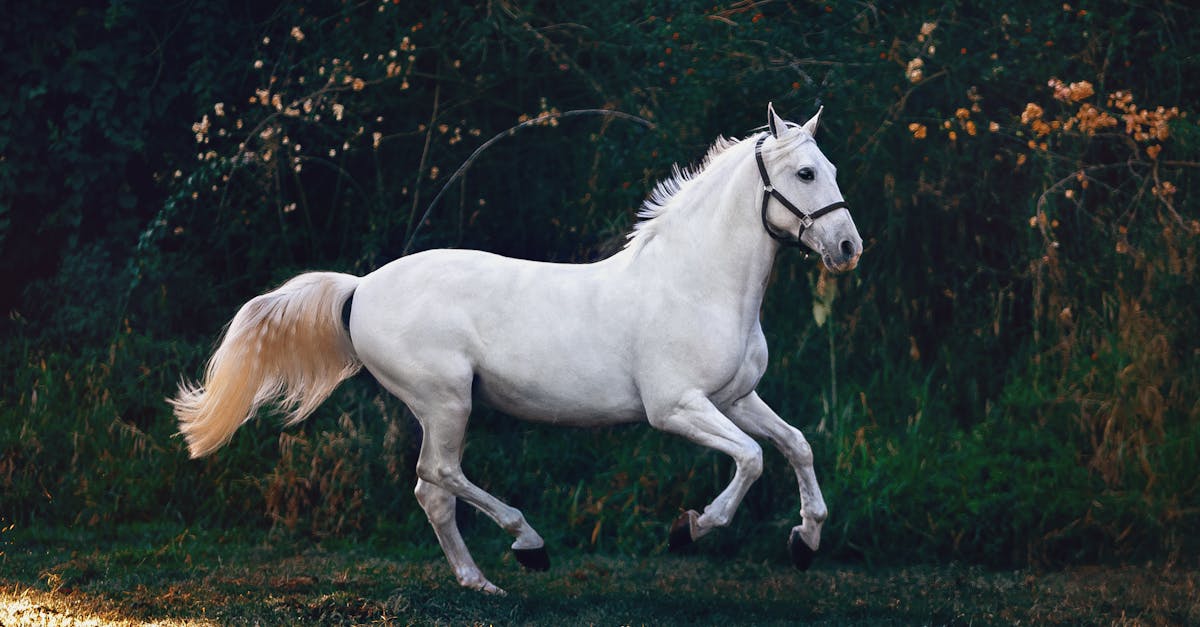
Best times for observation: spring and autumn, when wildlife is most active. Regular guided tours raise awareness about the importance of protecting these habitats.
Themed walks, such as “Reflections of Harmony” or “Animal Light,” allow visitors to discover the local richness through the lens.
Mastering the Art of Photography: Tips for Achieving Excellence
Photography is much more than simply capturing images; it’s an art form that combines technical mastery and aesthetic sensibility. Achieving…
CONTINUER LA LECTURE- Visitors can consciously capture the vitality of these places without damaging their environment, thus embodying the principles of their “Green Footprint” commitment. The village thus becomes an open-air laboratory for discovering responsible photography techniques, while strengthening the photographer’s connection to wild nature.
- Discover the art of wildlife photography: tips, techniques, and tricks for capturing wild or domestic animals in their most beautiful form. Get inspired and improve your photos today!
- The commitments and concrete actions of the collective ‘À pas feutres’ to safeguard biodiversity
- Beyond their artistic practice, Guillaume François and Amélie Sabanovic embody a real fight to safeguard biodiversity. Their association,
“With soft steps”
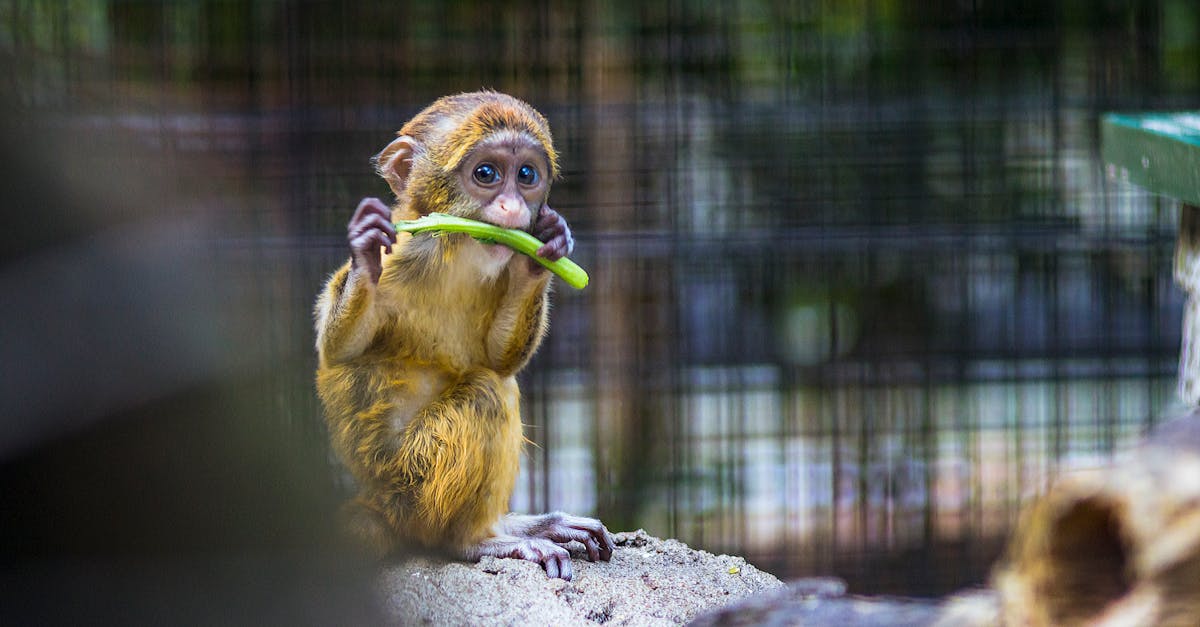
Organize training workshops on ethical photography and animal protection.
Distribute practical guides, such as good practices for responsible wildlife photography.
- Launch promotional campaigns highlighting regional animal diversity.
- Collaboration with local structures to raise awareness of habitat preservation. This movement carries the hope that each click becomes an active contribution to the safeguarding of an often fragile natural heritage, where each image becomes a vibrant testimony, reflecting sincere respect for wildlife.Frequently asked questions about ethical wildlife photography in Baume-les-Messieurs
- How can we practice respectful wildlife photography without disturbing wildlife?
- It is essential to adopt silent and covert shooting techniques, such as the use of long focal lengths and camouflage, to minimize the impact on the animals. Patience and knowledge of animal behavior are also key.
What are the fundamental principles of responsible photography?
Respect the habitat, avoid any intrusion or disturbance, limit the use of artificial light, and prioritize long-term monitoring to understand natural cycles.
- How does the ‘À pas feutrés’ collective contribute to raising awareness?
Through exhibitions, workshops, and the distribution of practical guides, they encourage the public to adopt ethical practices, while demonstrating the importance of respecting the “Wild Gazes” in their habitat. - What techniques should be favored for photographing nocturnal wildlife?
The use of low light, silent cameras, and prolonged observation allows us to capture these moments without disturbing the animals. Expertise with the equipment is also essential. - What are the current concrete conservation actions in Baume-les-Messieurs?
The village, part of the Natura 2000 network, serves as a model for habitat protection, in collaboration with associations such as “À pas feutrés” (In the Footsteps), which regularly organize awareness-raising and training initiatives. - Source:
www.leprogres.fr