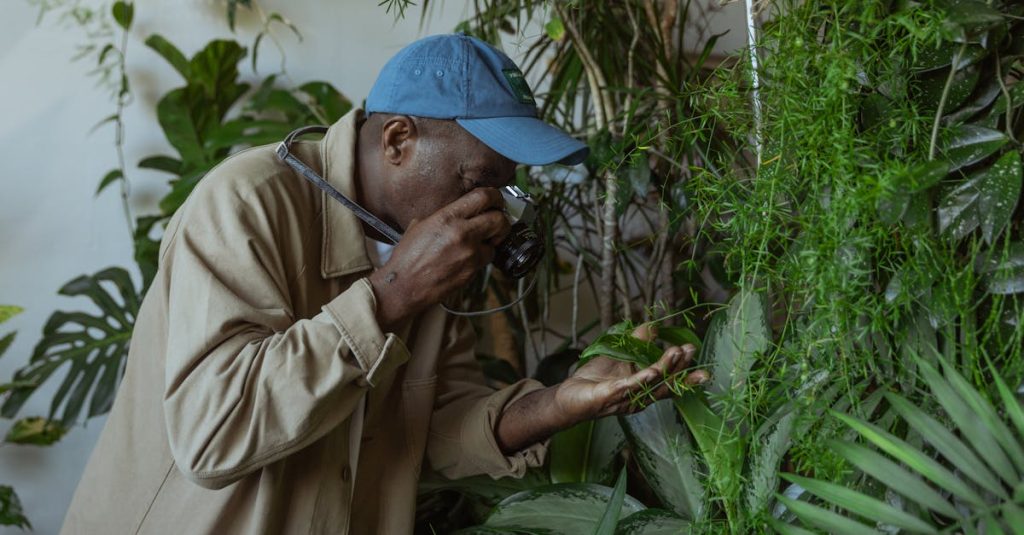
The Woodstock Center for Photography, recognized as an iconic venue for contemporary art in America, has specialized for several decades in promoting politically engaged photography. Through its photography exhibitions and innovative programs, it highlights the medium’s power to question the world, reveal injustices, and stimulate artistic activism. With a rich history spanning from the 1950s to the present day, the center offers a critical perspective on visual reportage and the role of photography in the history of social and political movements. Its impact extends far beyond that of a simple art gallery, becoming a true focal point for documentary photographers and artists drawn to political activism. The CPW’s painstakingly curated collection constitutes a true visual narrative of the evolution of artistic activism across time and continents, illustrating in particular how photography has emerged as a tool of resistance and hope. History of Politically Engaged Photography: From its Origins to the Visual Revolution of the 1950s Since its inception, photography has been driven by issues of documentation, social critique, and political mobilization. At the beginning of the 20th century, photographers such as Lewis Hine and Dorothea Lange illustrated the daily lives of marginalized populations or victims of unjust conditions through their images. Their works often served as a tool to mobilize public opinion or influence policy. The period following the Second World War saw the rise of a heightened awareness of photography as a politically engaged medium, capable of capturing the invisible, denouncing, or defending a cause. The birth of movements such as politically engaged photojournalism is part of this dynamic, where each photograph becomes an act of resistance. The emergence of civil protest in the United States in the 1960s and 1970s, through the Civil Rights Movement and the protests against the Vietnam War, is vibrantly reflected in the work of photographers who, often linked to centers like Woodstock, captured rapid social change. Discover politically engaged photography: an art serving social, environmental, or human causes, capturing emotion and raising awareness through powerful and authentic images. The major figures shaping politically engaged photography Several artists have marked this evolution in the context of artistic activism. Among them, Gordon Parks, whose work blends portraiture, reportage, and social criticism, is a prime example. His sensitive perspective on the African-American condition during the 1960s left an indelible legacy. Similarly, the commitment of Sebastião Salgado through his Reportages on Humanitarian Crises, or that of independent photographer Donna Ferrato, a specialist in domestic violence, illustrates the diversity of approaches. The speed of current events and the power of visual reporting allow these artists to influence consciences and keep the collective memory of struggles alive. Their images are not simply beautiful; they carry a message, a desire for transformation that has helped define modern, committed photography, fueled by ethical and social issues. The key role of photo exhibitions in promoting photo-activism Photo exhibitions play a key role in the dissemination and promotion of these committed works. The Woodstock Center for Photography doesn’t just exhibit images; it also acts as a catalyst for public debate. Through its events, it showcases photographs that question, challenge, or denounce injustices and inequalities. The Flashpoint exhibition, for example, presents a rich collection of
committed photographs from 1950 to the present day
and becomes a space for exchange between the general public and artists. It also shows how the exhibition mode can transform the art space into a platform for activism where each image becomes a vehicle for emotion and reflection. The importance given to photography in events like this testifies to a revival of artistic activism through visual power. Discover committed photography: an art that conveys powerful messages, raises awareness, and inspires change through powerful and authentic images. Innovative formats that engage the viewer

LECTURE SUGGÉRÉE
Pamproux: an artistic fusion between painting and photography at the Émergence gallery
A New Dimension of Visual Art: The Fusion of Painting and Photography at the Émergence…
LIRE L'ARTICLE
10×10 Photobooks
edition presents a retrospective of these forms that energize visual narratives. These hybrid formats allow us to see, to feel, and, above all, to engage, elevating politically engaged photography to the status of both popular and avant-garde art. Documentary photographers: witnesses and actors of societyTheir role goes beyond simple image capture. THE
documentary photographers
become living witnesses of their times, but also agents of change. Their view of conflicts, social struggles or even environmental issues contributes to the construction of a collective story. The Sony World Photography Awards, for example, highlights these artists who fight against oblivion or indifference. Among them, we find figures like Kevin Carter or James Nachtwey, whose work has often been rewarded with universal reach. Their personal commitment results in images that remain engraved in the collective memory, as witnesses to crucial moments in history. Their contribution to the art of committed photography is also reflected in their ability to mobilize a large audience, through exhibitions or as part of educational cycles. discover engaged photography: an art that highlights social, environmental or cultural causes to raise awareness and inspire change. explore powerful images and stories that make a difference. Ethical issues and the responsibility of photographers These photographers face a constant ethical dilemma: how to depict violence or injustice without falling into exploitation or sensationalism? The responsibility of images is immense, as they can both denounce and provoke, but also pose a danger to their subjects. Photographers’ sensitivity and awareness must therefore be honed. Conformity to the context, confidentiality, and respect for dignity are crucial to ensuring the integrity of their approach. The work of war photographer Lynsey Addario and photojournalist Carolyn Cole demonstrates this requirement. Their work embodies a subtle balance between truth, respect, and commitment, illustrating the complexity of the image as a tool for social and political change. The Future of Politically Engaged Photography: Between Digitalization and Global Mobilization As digital technology continues to transform all artistic fields, politically engaged photography is no exception.

allows powerful images to be disseminated at an impressive speed, attracting a wider, often younger, and more connected audience. Social media is thus becoming essential platforms for mobilization, awareness-raising, and international solidarity. Denunciation campaigns are rapidly unfolding, mobilizing millions of users around urgent causes. However, this speed also raises the problem of superficiality or sensationalism, calling into question the true depth of some reporting. Some centers, such as Woodstock, are seeking to reconcile this trend with the need for in-depth critical reflection by offering
digital exhibitionsor workshops that highlight the importance of authentic and responsible political photography. Technological innovations for a renewed political photography
Andreas Gursky’s return to Montparnasse, twenty-two years after his remarkable visit
The world of contemporary art is welcoming an exceptional event: Andreas Gursky’s return to Montparnasse, more than two decades after…
CONTINUER LA LECTUREFrom virtual reality to artificial intelligence, these advances provide new tools to strengthen the impact of socially engaged photography. The ability to create immersive images or process massive amounts of data makes it possible to tell stories from a new perspective. Visualizing environmental or social data, for example, becomes more accessible and educational. The creation of interactive and participatory content also encourages the public to become active participants, by taking ownership of documented stories or contributing to citizen campaigns. The future lies in this ability to blend art, technology, and engagement to continue raising awareness and effectively mobilize against injustice.
FAQ What is the Woodstock Center for Photography’s primary mission? The center aims to promote socially engaged photography through exhibitions, residencies, and workshops, to stimulate reflection on social and political issues through images.

What modern tools strengthen this approach?
Digitalization, social media, virtual reality, and innovative participatory formats are helping to renew the discourse being pursued on the world stage.