
Located in the heart of Moselle, the town of Saint-Avold offers, in 2025, a unique look at a fundamental chapter of its collective history: a century of summer camps. This immersive exhibition, combining heritage, education, and leisure, invites visitors on a journey through time through images, objects, and testimonies that pay tribute to these precious moments of childhood and community. As they wander through the rooms, visitors discover how these camps, born at the end of the 19th century in a hygienic context, evolved to shape local society and culture. A brilliant example of social and educational heritage, this approach appeals to both current and past generations. The historical dimension, as well as the educational scope, gives this exhibition a rare intensity, revealing how these leisure spaces shaped the daily lives of thousands of young Moselle residents, while contributing to the construction of a strong community fabric. Between nostalgia and reflection, this retrospective highlights the timeless value of childhood in the collective memory, while also reflecting the vibrant heritage of Saint-Avold.
A rich and little-known history: the birth of summer camps in Saint-Avold
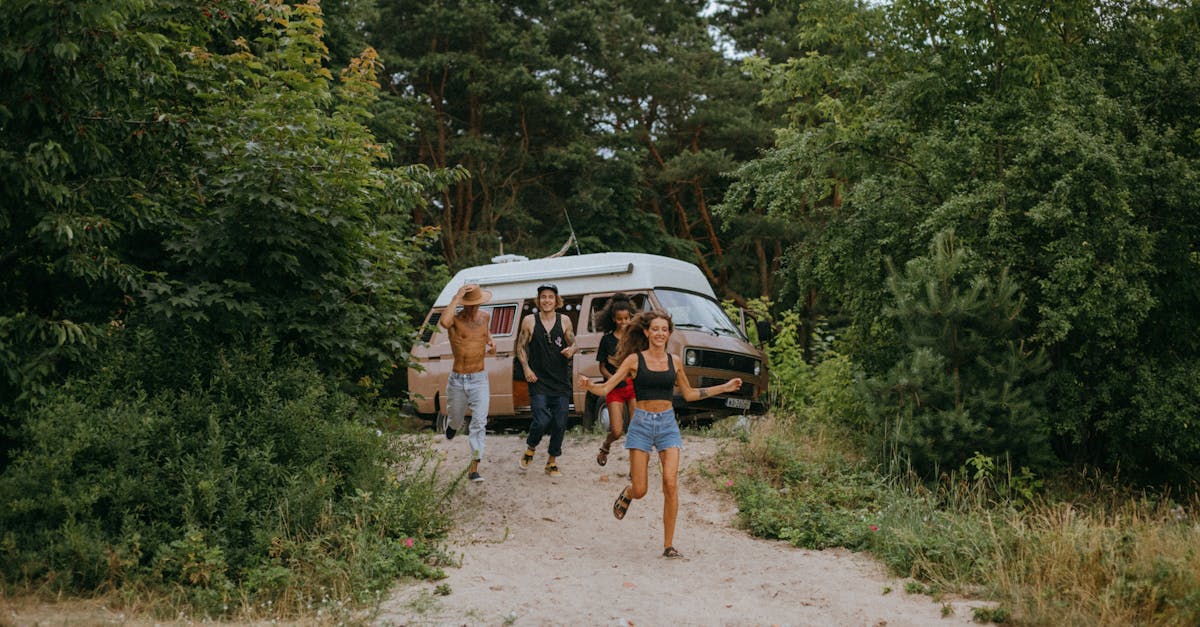
Summer camps, often associated with the sentimentality of a childhood memory, have a much more urban and social origin than one might think. In Saint-Avold, the story begins at the end of the 19th century, at a time when public health and hygiene became major concerns. Hygienists, keen to protect young people against tuberculosis and other diseases, helped establish these first structures dedicated to children. The objective was clear: to provide a healthy and bucolic setting that combined education, nature, and physical activity. These camps quickly became part of a broader movement, supported by the Popular Front and the Scout movement, which saw these spaces as a way to strengthen social cohesion and civic education. The practice spread throughout France, but it was in Saint-Avold that a particular tradition emerged, with the creation of several sites that welcomed hundreds of children each year. The participation of local stakeholders, whether communities or associations, is essential in this dynamic of transmitting and promoting educational heritage. Archives illustrate these modest but ambitious beginnings, revealing the birth of a social heritage firmly rooted in the region’s history.

LECTURE SUGGÉRÉE
Nuanu Creative City in Bali: Immersion in the FOTO Bali festival and explorations of creative life
Nuanu Creative City: Bali’s Hotbed of Artistic Innovation Located in the heart of Bali, Nuanu…
LIRE L'ARTICLEThe main stages in the evolution of the colonies
- Late 19th century: creation of the first hygiene colonies in the Saint-Avold region
- 1930s: development with the involvement of the Scout movements and public institutions
- The Trente Glorieuses: explosion in their number and diversification of the activities offered
- 1980s: adaptation to contemporary educational and social challenges, integrating leisure and learning
- 2025: a century of memory and renewal, between tradition and modernity
| Year | Key event | Impact on the Community |
|---|---|---|
| 1890 | First Hygiene Camp | Introduction of a Youth Health Center |
| 1930 | Deployment by the Scout Movement | Strengthening the Connection Between Childhood and Nature |
| 1950 | Expansion during the Trente Glorieuses (Glorious Thirty Years) | Focus on Socialization and Diversity of Activities |
| 1980 | Modernization and Educational Integration | Modernization of Educational Practices |
| 2025 | One Hundred Years of Summer Camps in Saint-Avold | Heritage and Transmission to New Generations |
A Visual Look at a Century of Evolution: the Exhibit’s Iconographic Richness
To make the history of these summer camps tangible, the exhibition also unfolds through a visual dimension that is as rich as it is revealing. Original photographs, promotional posters, and period postcards all retrace the children’s daily lives, from their arrival to their outdoor activities. The magic of images allows us to capture the spirit of camaraderie and the attachment to the place, but also to observe the architectural and landscape transformations. Visiting the same site over the decades reveals a subtle evolution: from basic dormitories to modern infrastructure, from traditional activities to new playful trends. Some photographs, taken from private or public archives, reveal authentic moments, such as a campfire, a hiking trip, or a group game. These images offer a precious testimony that interacts with the oral heritage and the testimonies of elders, and promotes a more concrete understanding of this educational adventure. To explore this dimension further, an immersive video captures the atmosphere of the camp in action, bringing together the current generation and that of yesterday.
An immersion in the photographic world
Several collections of old photographs perfectly illustrate this evolution. They show, for example, groups of children in period costume, lined up for a group photo, or one evening by the fire. These images illustrate the simplicity of the facilities of yesteryear, where contact with nature was direct and intense. Over time, these places have become more comfortable, but have retained their collective spirit of hospitality. Browsing through these photos, we also perceive the central importance given to conviviality and solidarity, the enduring values of these vacation spaces. The richness of the images constitutes a true visual heritage to be preserved, testifying to the strength of the community spirit embedded in family memories. The transmission of these images accompanies the visit and allows each of them to identify with these shared memories.
A sensory experience: time at camp to understand the authentic atmosphere of the summer camps
Beyond the historical aspect, the exhibition’s visibility is also accompanied by interactive activities. Workshops, games, and activities are offered to give visitors an experience close to that of children of the time. Through simulators or reenactments, they can, for example, try out a bivouac, build campfires, or participate in traditional games. This playful dimension, accessible to all ages, aims to strengthen the link between past and present, highlighting the central role of the colonies in the development of autonomy, community life, and citizenship. Multimedia presentations complement this approach, including a video documentary broadcast on a loop, which evokes the spirit of the colonies and their importance in the education of young people.

In Niort, emerging international photography is celebrated
Opening Summary: The Emerging Photography Scene in Niort in 2025 In the heart of the city of Niort, an unmissable…
CONTINUER LA LECTUREWorkshops and activities offered
- Construction of miniature cabins and bivouacs
- Introduction to traditional games such as sack racing and fishing
- Orientation workshops using old maps
- Presentation of objects and tools used in past colonies
- Simulated campfires and children’s stories
A participatory approach to preserving and transmitting the cultural heritage of Saint-Avold
This exhibition project is not limited to a simple retrospective. It is part of a heritage promotion process that aims to introduce young and old alike to the legacy left by these educational and recreational sites. The active participation of residents, associations, and schools is prioritized to create a true synergy around this collective memory. Restitution workshops, lectures, and meetings with former campers and counselors enrich the program, enhancing the intergenerational transmission of knowledge. In addition, the preservation of a digital documentary collection, accessible online, guarantees everyone the opportunity to discover local history. Mobilization around this initiative helps strengthen the sense of belonging to a shared history, making Saint-Avold a leader in promoting its educational and cultural heritage. To view more resources, visitors can refer to culturmoov or the dedicated article on Gralon .Discover our unique summer camps, where children have fun while learning through sports, artistic, and educational activities in an exceptional natural setting.
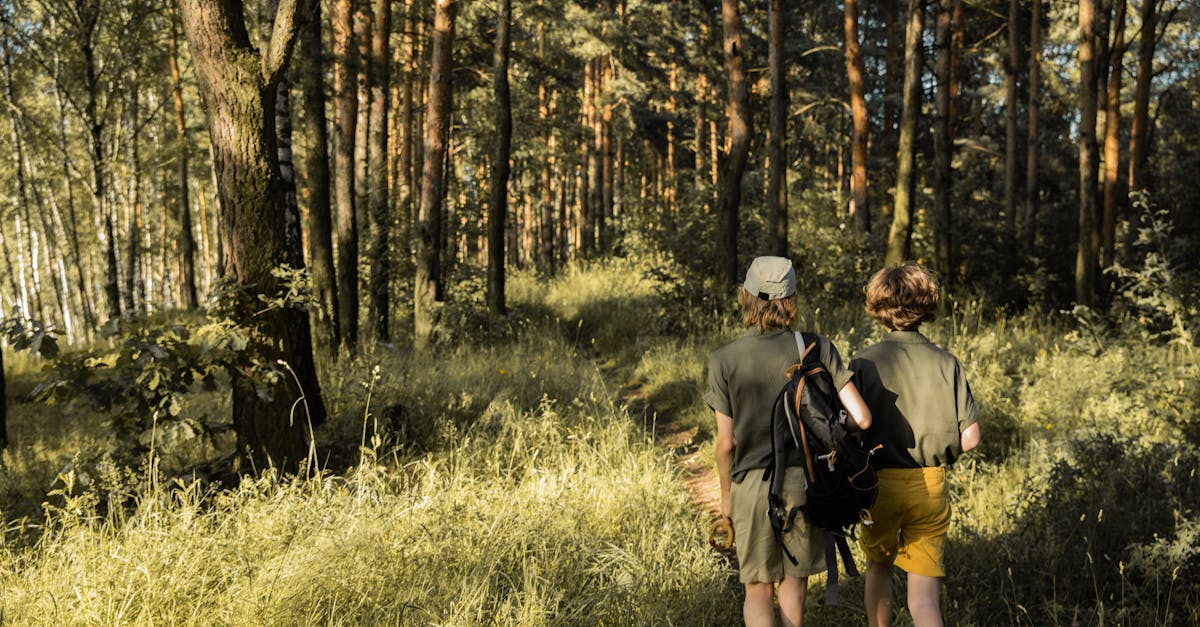
Beyond their historical value, these summer camps today embody a true educational philosophy. They adapt to the major issues related to social cohesion, integration, and the fight against exclusion. Modern society, faced with challenges such as the digitalization of childhood or the preservation of the connection with nature, sees these spaces as a way to reconnect young people with their environment and their peers. The question is how to continue to keep this heritage alive in a digital world, without sacrificing the fundamental values of human interaction, autonomy, and solidarity. For example, the approach of Saint-Avold is part of this perspective, by offering innovative activities while preserving the traditional spirit. Many initiatives are developing to develop these camps, notably by creating more inclusive and educational programs, integrating the civic dimension. In this sense, the exhibition allows us to reflect on the future of these places, combining the past with modern and responsible projects, perfectly in line with the society of 2025. To better understand these issues, an online conference analyzes current educational challenges in summer camps, available on France Culture.
Challenges for a sustainable future Integration of digital technologies without distorting the community spiritPromotion of diversity and living together
Support for families and the inclusion of young people in difficult social situations
- Development of activities in harmony with the environment
- Promotion of intangible heritage in civic education
- Challenge
- Objectives
- Proposed actions
| Digital technologies | Promoting autonomy and participation | Connected workshops and use of educational applications |
|---|---|---|
| Social inclusion | Reducing inequalities | Specific programs for youth in difficulty |
| Environment | Conserving biodiversity | Nature workshops and eco-responsible activities |
| Cultural heritage | Promoting local history | Sharing experiences and collective memory projects |
| Ultimately, in 2025, the exhibition on a century of summer camps in Saint-Avold will not be limited to a historical retrospective. It also sheds light on how this experience has shaped society, while adapting its values to our times. Faithfulness to the community spirit, the transmission of educational heritage, and sustainable innovation combine to make these places vectors of cohesion in a constantly changing world. The history of these camps, which has stood the test of time without losing its soul, thus continues to fuel collective reflection, ensuring that the future benefits from this precious heritage. | Frequently asked questions | How long is the exhibition in Saint-Avold? It is open until December 2025, giving visitors several months to discover this captivating story. |
How to access the exhibition?
Located in the Saint-Avold cultural center, it is accessible by reservation or during guided tours offered in partnership with local associations.
- What are the highlights of the exhibition? The tour includes video screenings, interactive workshops, and meetings with former campers, enriching the understanding of this human adventure.
- Are there online resources? Yes, the official website and several partners offer documentary resources and digital galleries, notably on
- culturmoov .
- What role is given to modernity in this retrospective? The exhibition combines images from the past with contemporary activities, illustrating the continuity and evolution of this educational practice so dear to local history. Source:www.republicain-lorrain.fr


