Delving into the vibrant world of primary colors is a fascinating adventure that unites photography and painting. These two disciplines, while distinct in their approach, share a common language based on fundamental principles that dictate how light and material interact to create vibrant hues. By exploring the mysteries behind RGB and CMY colors, we discover not only the techniques employed by artists, but also how these color choices influence our visual perception. This synergy between image and canvas promises to awaken creativity and encourage each artist to freely express themselves through the hues that inspire them. Explore the fascinating nuances that emerge when photography and painting meet, drawing on the science of primary colors. This article examines the fundamental difference between the color systems used in each discipline, highlighting the importance of additive and subtractive color synthesis techniques for today’s artists. Theoretical Foundations of Primary Colors Primary colors are essential to understanding visual art. In photography, we use the RGB (Red, Green, Blue) model, while in painting, the CMY (Cyan, Magenta, Yellow) model prevails. This distinction is based on how each medium manipulates light to create color. Additive Color Synthesis and Digital Photography In photography, additive color synthesis is the method by which colors of light are combined to create new hues. If RGB primary colors are mixed in equal proportions, the result is white light. This means photographers need to understand not only their camera settings, but also how different lighting conditions can affect their work. Subtractive Synthesis and PaintingIn contrast, subtractive synthesis appeals to painters by playing with pigments. Mixing cyan, magenta, and yellow absorbs certain wavelengths, altering the color palette on the canvas. Understanding this dynamic is crucial for a painter to create the desired hues, making each work unique. Practical and Technical Applications For photographers, mastering white balance and color adjustments in post-processing is essential to accurately capturing reality. At the same time, painters strategically mix colors, exploiting the depth of shades created by pigment interactions. Each discipline requires specific skills, but both require a deep understanding of color theory. Impact of Light on Color PerceptionColor perception varies depending on the light source. In photography, the specific lighting of a scene directly influences the final result. Artists, for their part, must also carefully select the lighting in which their works will be displayed, as this can radically alter the appearance of the colors used.
A Creative Synergy By highlighting the differences and similarities between photographic and pictorial practices, artists can develop a synergy that enriches their creations. Understanding the theoretical foundations of color and its practical application in each field provides an opportunity for experimentation and innovation. To further your exploration, discover resources on color in photography here or delve into the world of color in painting here. And if you’re curious about the secrets of color, Futura Sciences offers a feature on the subject here. https://www.youtube.com/watch?v=pu8TRRAOSBs In a world where art comes to life through light and color, it’s fascinating to explore the relationship between photography and painting. This synergy is based on primary colors, which are both essential in visual creation and distinct in their application depending on the media. Understand the nuances between additive synthesisphotography and subtractive synthesis painting reveals a rich and complex universe, thus stimulating the creativity of amateur artists as well as photographers. Additive Synthesis: The Light of Primary Colors in Photography In photography, primary colors are red , THE

LECTURE SUGGÉRÉE
Artificial intelligence makes its debut at the 8th Via Silva Photographic Meetings in Cesson-Sévigné
During this 2025 edition, the 8th Rencontres photographiques de Via Silva in Cesson-Sévigné opened a…
LIRE L'ARTICLEGreen
and the blue , known by the acronym RGB. This method of additive synthesis relies on adding light to create a color palette. Each color emitted helps form other hues, producing an array of fascinating shades. When these three primary colors are combined in equal parts, they create white light, while in the absence of light, darkness prevails. Photographers must juggle these interactions to achieve color accuracy on their cameras, ranging from white balance to the color correction
in post-processing.
Subtractive Synthesis: The Magic of Colors in Painting In contrast, painting relies on primary colors such as cyan , THEmagenta and the YELLOW
(CMJ). This system of
subtractive synthesis relies on the absorption of light by pigments. By mixing these colors, each hue absorbs others while reflecting some, providing a wealth of possibilities on the canvas. For example, a mixture between cyan and yellow absorbs red and blue wavelengths, leaving only green reflected. This interaction of pigments requires special attention from artists to master the mixture and achieve the desired color.
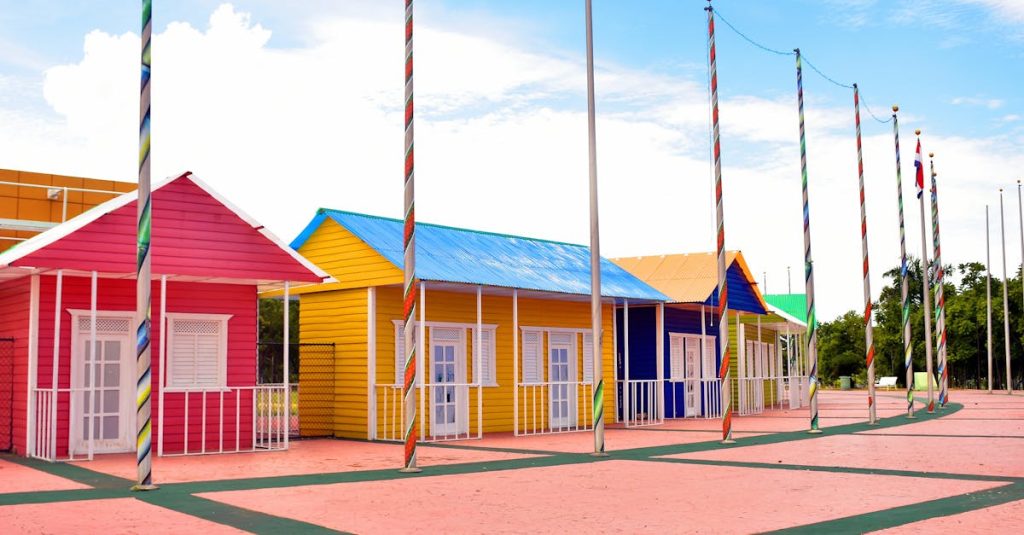
Color, the common thread of the 11th “Royan Architecture [s]” photography competition
The Diversity of Color in Royan’s Architecture For several decades, the city of Royan has distinguished itself with its vibrant…
CONTINUER LA LECTUREImpact on Creativity: Photography and Painting Under the Microscope
The differences between these two methods of color creation profoundly influence the creativity of photographers and painters. In photography, the light emitted by screens can alter color perception, making camera calibration essential. For painters, the type of lighting and the pigments chosen determine the appearance of hues on the canvas, making each work unique. Thus, each medium offers its own visual language, with specific considerations that enrich the creative process. From digital color manipulation to organic blends on the palette, understanding these elements opens a path to a more conscious and harmonious artistic expression.Application Examples: Merging Techniques
For photographers, specialized software can be used to adjust RGB color levels and create specific effects. For example, increasing the proportion of red can create a warm ambiance, while adjusting blue can create a cooler atmosphere. For their part, painters must experiment with the colors on their palette, discovering how simple mixtures can create rich and complex hues. By incorporating these principles, they can allow viewers to perceive their works in a completely new way.
Primary colors are at the heart of artistic creation, whether in photography or painting. Understanding how they work and their synergy can enrich your work and strengthen your skills. This article offers practical tips for mastering the subtleties of primary colors and making the most of your creativity in both mediums. Understanding Color Systems Before exploring the colorful world of art, it’s essential to distinguish between two color systems: additive and subtractive. In photography, the primary colors are red, green, and blue (RGB). In painting, however, they consist of cyan, magenta, and yellow (CMY). Understanding this distinction helps us better understand the use of colors in each discipline.
Balancing the Use of Primary Colors
Whether in photography or painting, finding the right color balance is fundamental. In photography, for example, playing with your camera’s settings can help adjust color rendering. In painting, a precise blend of pigments ensures harmonious hues. Consider experimenting: a little more red here, a hint of blue there, to discover unique and captivating shades. Harnessing Light and Shadow Light plays a key role in color perception. In photography, mastering natural or artificial lighting can transform a banal scene into a spectacular work. Learn how to use light to accentuate certain aspects of your subject. In painting, shadows add depth and dimension to your work. Remember that colors are never perceived the same way under different lighting conditions. Playing with Emotions Through Color Each color evokes distinct emotions and sensations. In photography, think about the atmospheres you want to create. For example, warm hues like red and orange can evoke passion, while cool colors like blue and green convey a sense of calm. In painting, use your palette so that your works convey a strong and evocative message. Exploring Mixed Media
Don’t limit your creativity to a single medium. Experiment with mixed media, integrating photography and painting to create unique works. For example, you can take a photo and use it as a base for a canvas, adding layers of paint to enrich the image. This approach can offer new perspectives and enhance your artistic skills. Resources and Inspiration To deepen your knowledge of primary colors and their impact on art, resources such as Grand Palais and Logo Creation offer interesting articles. Similarly, the Aetherium website will give you keys to harmonizing your colors. Discover the fascinating secrets of primary colors: their history, their meaning, and how they transform our daily lives. Dive into the world of colors and learn how to use them to express your emotions and create unique atmospheres.Primary colors are the foundation upon which all artistic creation rests, whether it’s a moment captured by a camera or a living canvas. In photography, additive synthesis using red, green, and blue allows for the exploration of worlds of light, transforming each image into a vibrant visual narrative. In contrast, subtractive synthesis in painting, using cyan, magenta, and yellow, calls for a different dialogue, where colors blend on the canvas to absorb and reflect light in unique ways. This duality opens unexplored creative doors, where photographers and painters can inspire one another. The harmony between these two worlds lies in understanding color perception. In photography, adjusting light and white balance is crucial; whereas in painting, the artist must play with ambient light and pigments to bring their visions to life. This is where the true magic happens: in this synergy, each medium has the potential to enhance and enrich the other.In the captivating world of art, primary colorsplay a key role in both photography and painting.
uses additive synthesis, combining the colors red, green, and blue, while painting relies on subtractive synthesis with cyan, magenta, and yellow. These two approaches, although different, can interact in enriching ways and offer artists a broad palette to express their creativity. Let’s dive into the mysteries of primary colors and explore how artists can leverage these concepts to elevate their craft. Understanding Color Fundamentals Before venturing into artistic practice, it’s imperative to understand the basics of primary colors. In photography, additive synthesis involves creating colors from pixels of light. In contrast, painting relies on a mixture of pigments, where each color is obtained by absorbing certain wavelengths. Learning to navigate these systems allows you to better manage your palette and artistic choices.
The Importance of Light in Photography
Light is fundamental in the world of photography. How you use RGB colors influences the perception of images. For example, by controlling white balance. , you can avoid unwanted casts and enhance color fidelity. Additionally, understanding your camera’s settings, such as exposure and ISO, can help you capture nuances that you can later adjust.Color Manipulation in Painting In contrast, painting allows for a freedom of mixing that photography cannot replicate. By using subtractive primary colors, there is a fascinating potential to create varied hues. For example, mixing cyan and yellow produces green, while red is created by combining magenta and yellow. Mastering this manipulation is essential for adding depth and richness to your creations. Don’t be afraid to experiment to discover new combinations and visual effects. The Synergy Between Photography and Painting The true magic lies in the synergy between these two mediums. More and more contemporary artists are using photography as a starting point for their paintings. By integrating photographic elements into their work, they enrich their approach and explore new artistic languages. Don’t be afraid to mix styles: a photo can serve as a reference for a painting, just as a painting can inspire a series of photographs.Experiment and Inspiration Finally, experimentation should be at the heart of your creative process. Whether you choose to capture through a lens or paint on canvas, you have the opportunity to explore color interactions. Consider playing with lighting, filtering light, or experimenting with different materials and textures. The sometimes unexpected results can spark new ideas, unexplored concepts that will enrich your practice.
Understanding primary colors and their use in photography and painting is an exciting adventure. By applying this knowledge to your creations, you’ll unleash your imagination while developing mastery of your art. Dare to explore, mix, and transform! https://www.tiktok.com/@pitdessin/video/7345217268650970373 Discover the fascinating secrets of primary colors and learn how they influence our perception, creativity, and daily life. Dive into the world of colors and explore their emotional and psychological impact. Photography (RGB) Uses additive synthesis to create colors through light.
Painting (CMY)
Opts for subtractive synthesis, based on the absorption of light. Color InteractionRGB colors mix to form luminous shades. Pigment Mixing CMY colors absorb to create distinct hues. Effect of Light The emitted light impacts the perception of colors in photography. Importance of Lighting In painting, ambient lighting alters the appearance of colors. Post-Processing
Photography requires white balance adjustment and color correction.
Mixing Hues
In painting, converging toward a desired hue requires an understanding of pigments. Conclusion: The Dance of Colors Between Photography and Painting In this vibrant world of creativity, primary colors stand out as the true foundations of the visual arts. Whether through the luminous interface of a digital screen or the tactile expression of a brush on a canvas, mastering these colors is essential for any artist wishing to communicate a unique vision. Photography and painting, although different in their approaches, come together in this quest for chromatic harmony.
Additive Synthesis
used in photography reveals the magic of light, where each emitted color forges an infinite palette of emotions and sensations. Photographers learn to play with shades of red, green, and blue to capture fleeting moments and transform images into powerful stories. In contrast, the subtractive synthesis of painters allows them to manipulate pigments with contemplative delicacy, where each mixture is a dance of cyan, magenta, and yellow, drawing the eye toward the intimate and tangible. This interconnection between two artistic worlds underscores the importance of understanding the rules of the color game. Photographers, with a deep understanding of color, can adjust their compositions and post-processing to bring their vision to life. Similarly, painters, by exploring the interactions of primary colors, enrich their art by creating nuances of emotional depth. This synthesis of knowledge and techniques opens the way to a fascinating creative dialogue. Ultimately, whether painting a vibrant canvas or capturing a timeless photograph, artists embark on a journey of exploration where primary colors are the messengers of their inspiration. Through this immersion in the color palette, each creator can not only learn to master their craft, but also open the doors to a new aesthetic perception. The world of color awaits to be discovered, shared, and celebrated. FAQ: Discovering the Secrets of Primary ColorsWhat are the primary colors in photography? The primary colors in photography are red, green, and blue, often referred to by the acronym RGB. What are the primary colors in painting?
In painting, the primary colors are cyan, magenta, and yellow, grouped under the acronym CMY.
How does additive synthesis work? Additive synthesis works by combining different colors of light to create new hues. Adding the three primary colors (RGB) in equal proportions produces white light. How does subtractive synthesis work?In subtractive synthesis, pigments absorb certain wavelengths of light and reflect others. For example, mixing cyan and yellow creates green.
How do artists use color in their work?
Artists must understand how colors interact on their canvas to achieve the desired hues, whether in painting or photography. What impact does light have on color perception? In photography, the light emitted by screens influences color perception, while in painting, ambient light and the pigments used are crucial for the appearance of colors. How can photographers manipulate color? Digital photographers can use editing software to adjust RGB levels and create desired visual effects.How do painters manipulate the colors on their palette? Painters mix pigments to create a variety of shades, for example, adding magenta to yellow to create a rich red.