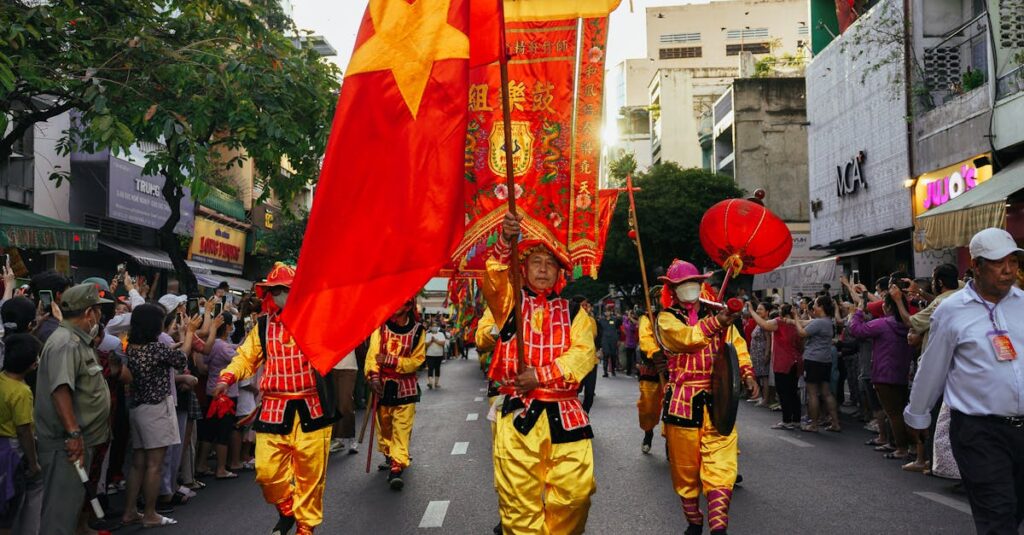
In a world where modernity is imposing itself at a frenetic pace, some artists choose to return to the very essence of their culture to better reveal its profound richness. Nataly Robert, a renowned photographer, embodies this approach through her black and white works highlighting the Vietnamese heritage that is so dear to her. For more than 25 years, she has woven a silent dialogue between cultural memory and artistic exploration, using photography as a powerful vector to retrace the history of her native country, Vietnam. This passion, nourished by training at the National School of Photography in Arles and a master’s degree in art history, is today embodied in a body of work combining portraiture, landscape, and self-portraiture. Her work, both intimate and universal, questions the place of Vietnamese culture in the global collective memory. In 2025, while her latest exhibition is on view until September 30th at the Jardin des Dames in Toulouse, her artistic approach continues to inspire, revealing both the fragile beauty of traditions and the complexity of identity through the prism of black and white, in search of a balance between past and present.
Biography and career of Nataly Robert: a quest for authenticity through photography
Nataly Robert stands out as an explorer of her own cultural heritage. Born in 1970 in Vietnam, she left her country two years before the end of the war, marked by a devastating historical experience. Her academic career led her to a master’s degree in art history, before training at the prestigious École nationale de la photographie in Arles, which became a crucial step in her career. This alliance between history and artistic practice forges the singularity of her visual art, where each image becomes a fragment of history, capable of creating a dialogue between generations. Her aesthetic choice is oriented towards black and white, a technique which, while resolutely classical, leaves room for raw emotion, texture, and light, essential qualities for capturing the depth of the Vietnamese soul. Nataly Robert sees it as a way to erase the distraction of the superfluous to focus the gaze on the very essence of the subjects photographed, thus revealing an authenticity rarely found in contemporary photography.

LECTURE SUGGÉRÉE
The world of photography in mourning: death of Francis Giacobetti, artist and director
French photography mourns the passing of one of its great masters, Francis Giacobetti, who leaves…
LIRE L'ARTICLE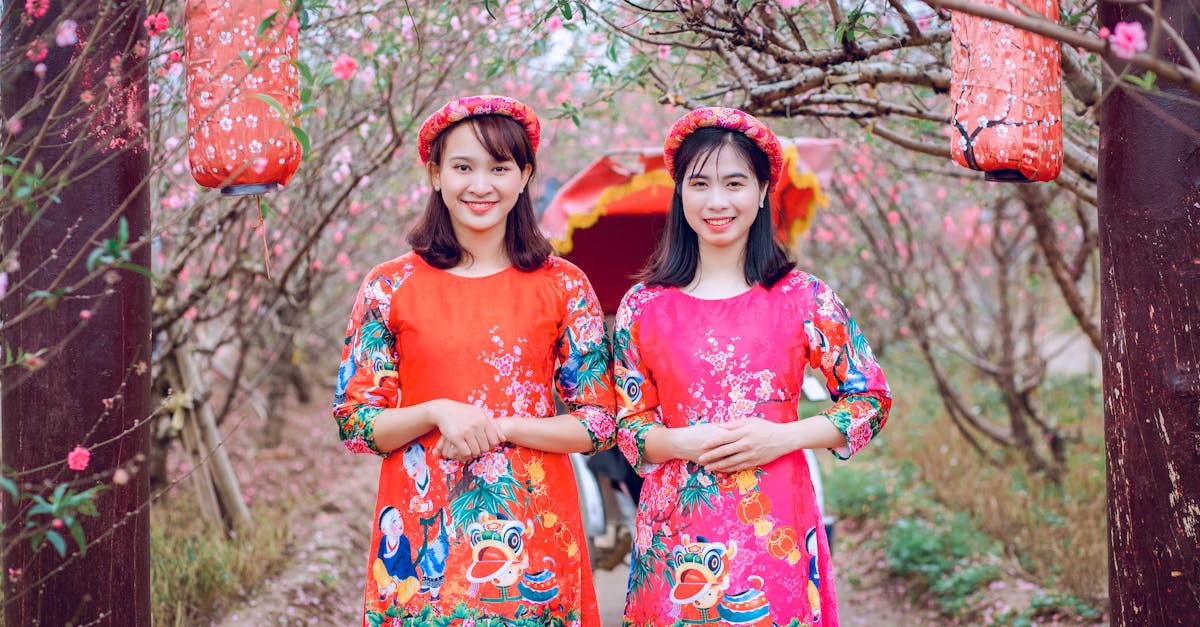
An artistic approach focused on awakening Vietnamese cultural memory.
Nataly Robert’s approach resembles an almost initiatory quest, aiming to revive a cultural memory endangered by the forces of standardization and modernity. This artistic exploration goes beyond the simple capture of images to become an act of identity preservation. Her work unfolds through striking portraits of peasants, workers, and symbolic places, where each face becomes a piece of the Vietnamese identity puzzle. The simplicity of her images contrasts with the historical complexity they evoke, as evidenced by her black and white reports taken in rural regions and working-class neighborhoods. The dual dimension of portrait and self-portrait in her series “Viet Nam, Presences” highlights the intimate relationship between the individual and their environment, reflecting a profound search for authenticity. Returning with her camera to the places of her childhood or rural areas little altered by mass tourism, Nataly Robert highlights the importance of preserving these fleeting moments, these oral traditions, and these ways of life, often threatened by the rapid pace of cultural change.

The art of black and white: a timeless aesthetic serving as a testimony
In Nataly Robert’s world, black and white photography stands as a truly enduring symbol of visual art, capable of expressing both the harshness and the gentleness of the human experience. This technique, which dates back to the earliest days of photography, allows for the full power of contrast, light, and shadow, while still retaining a timeless and universal dimension to the image. It offers a freedom of interpretation that color, with its infinite nuances, cannot always match. By choosing this treatment, Nataly Robert favors raw emotion and sincerity, sometimes abandoning color to better capture the psychological and cultural depth of each scene. Her mastery of film photography, now unique in a digital world, demonstrates the extent to which this artist stands at the crossroads between tradition and innovation. Her work is part of a tradition that references the great names of black and white photography, while renewing their vision through a personal and committed exploration. Technical Aspect

In Firminy, Johnny Hallyday’s last photographer will come to sign his books: “A man full of modesty”
As part of an exceptional celebration of the French musical legend, Firminy is preparing to host a rare cultural event:…
CONTINUER LA LECTURE| Interest in Nataly Robert’s Approach | Black and White Photography |
|---|---|
| Captures authenticity, highlights emotional contrast, and pays homage to artistic tradition | Silver Photography |
| Values patience, manual skill, and authentic rendering | Use of Contrast and Light |
| Expresses psychological depth, highlights textures and details | Discover the richness of Vietnamese heritage: a unique fusion of ancestral traditions, breathtaking landscapes, and delicious cuisine, celebrating the history and culture of a fascinating country. |
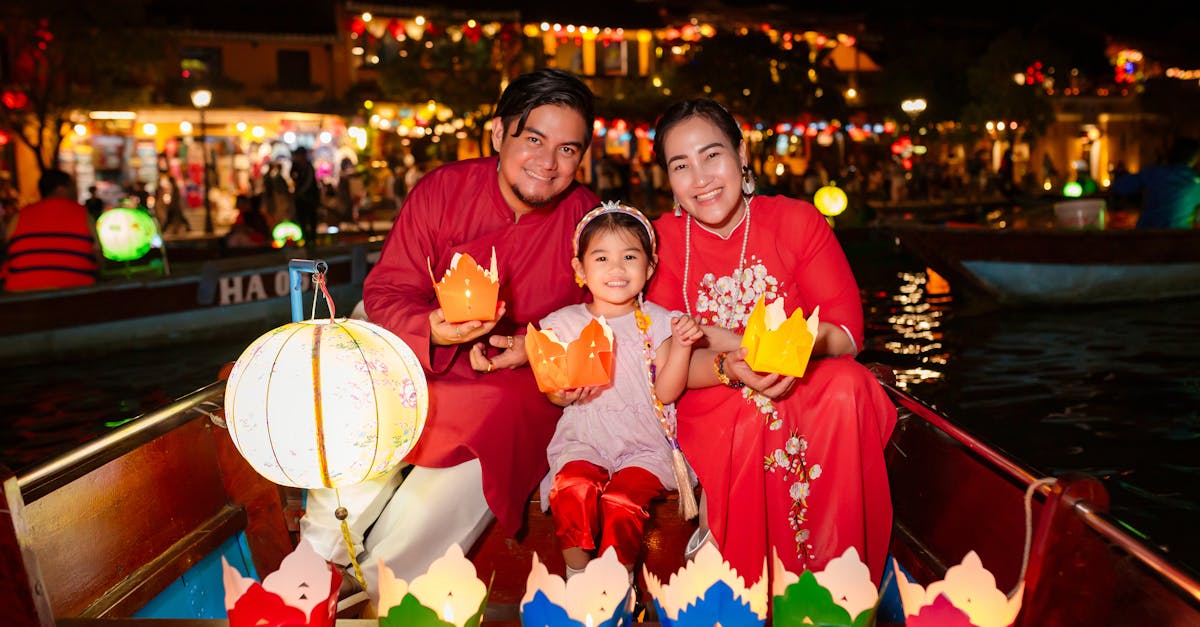
Nataly Robert’s photographs serve as silent witnesses connecting the past to the present. Each image contributes to a contemporary reinterpretation of Vietnamese history, allowing viewers to better understand the richness and complexity of this ancestral culture. The quest for authenticity involves a return to original places, often little altered by rapid economic or tourist transformations. These black and white images offer a sensitive reading of history, avoiding the distraction of modern colorism. The proximity to these landscapes and portraits, often taken in regions where tradition is still alive, standardizes the perception of Vietnamese culture as a precious intangible heritage. Photography becomes a powerful vector of memory, a tool for preserving and transmitting these elusive treasures: lifestyles, customs, and even the vernacular language, often poorly documented in traditional media. Through these images, Nataly Robert invites reflection on cultural identity in the face of the challenges of increasing globalization. https://www.youtube.com/watch?v=woGDY5XG12w
An integration of personal stories into a universal art
Frequently Asked Questions
How does Nataly Robert choose her subjects in Vietnam? She favors places and people that embody cultural authenticity, often those that modernity has yet to touch, or only slightly.
Why choose black and white in this exploration?
- This technique enhances texture, light, and psychological depth, allowing for a timeless and universal reading of her works.How does her work contribute to the preservation of Vietnamese culture?
- By highlighting traditional lifestyles, authentic portraits, and recounting the past through the present, her images become vectors of collective memory.What issues related to cultural identity emerge from her photographs?
- The intersection of local identity and globalization, the preservation of intangible heritage, and the search for a balance between tradition and modernity.How does film photography influence his artistic approach?
- It lends a dimension of authenticity and patience, making each image unique and imbued with a sincere and precise vision.Source:
- www.ladepeche.fr