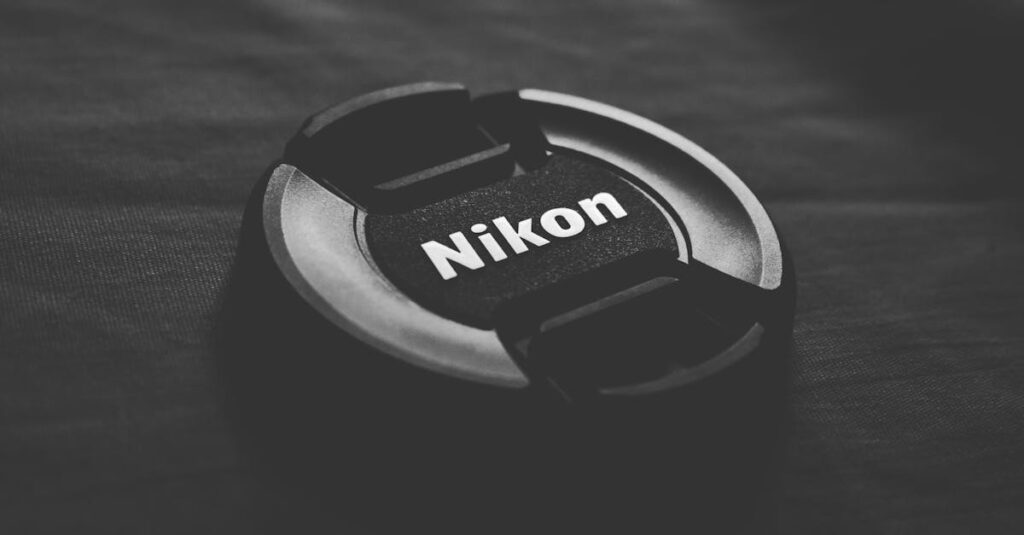
A detailed comparison between the Nikon D5600 and the Canon EOS 200D: an informed choice for photography enthusiasts
In the dynamic world of digital photography, the dilemma between two iconic cameras like the Nikon D5600 and the Canon EOS 200D remains a common question for amateurs and budding professionals alike. The comparison between these two models, launched in 2016 and 2017 respectively, offers a detailed look at technological developments and the preferences to consider before choosing a shooting companion. Their positioning as digital SLR cameras, or DSLRs, illustrates their ability to deliver exceptional image quality while maintaining an ease of use that appeals to a wide audience. The real difference lies in their technical specifications, their ergonomics, and their compatibility with a wide range of lenses, as well as their ergonomics and weight, crucial elements for those who enjoy adventure or spontaneously capturing everyday life. A thorough comparative analysis reveals that each player has its own strengths. The Nikon D5600, also known for its robustness and extensive compatibility, seems better suited to those seeking better low-light control and increased battery life. Meanwhile, the Canon EOS 200D, appealing thanks to its intuitive interface and light weight, remains a preferred option for beginners and those looking for immediate handling. From a technological perspective, the one-year gap between these two cameras may seem minimal, but it influences their overall performance and compatibility with future developments. The main difference also lies in the nature of the sensors, their configuration, and their rendering, which are key elements for the final image quality.
For those who wish to delve deeper into their thinking, several comparisons available online offer a comprehensive overview, including the one published by

LECTURE SUGGÉRÉE
Discover the best affordable compact/bridge camera from our selection
Summary Why Choosing a Reasonably Priced Compact or Bridge Camera Remains Essential in 2025 Faced…
LIRE L'ARTICLEApprendre la Photo or that of Lensora . The goal here is not simply to choose one camera over the other, but to understand their true strengths in order to align their potential with their real needs, whether for landscape, portrait, or reportage photography. Choosing between Nikon and Canon then becomes a truly strategic approach, combining ergonomics, performance, and budget.Discover the world of Nikon, an iconic brand in photography. Explore our cameras, lenses, and accessories to capture unforgettable moments with exceptional image quality.

A detailed technical comparison helps clarify what differentiates the Nikon D5600 from the Canon EOS 200D. Starting with the resolution, both are equipped with a 24-megapixel CMOS sensor, guaranteeing remarkable image sharpness, suitable for both large-format prints and digital enlargements. However, their choice of sensor influences their behavior in light, depth of field, as well as their performance in low light. Their ability to reproduce the sophisticated details of the scene also depends on the signal processing by the image processor, where each brand offers its own technological advances.
When it comes to practicality, lens compatibility plays a central role. The Canon EOS 200D features built-in autofocus, making it easy to use, especially for beginners. However, to take advantage of autofocus, the Nikon D5600 requires the use of lenses equipped with an autofocus motor in the body or the lens itself. Lens compatibility becomes essential for evolving your photography skills according to your desires and projects. The transition between these two worlds of mount and compatibility can be decisive for your final choice. Specifications
Canon EOS 200D

Canon EOS RP vs Nikon Z5: Which One to Choose for Amateur Photography in 2025?
As we approach 2025, amateur photography finds itself at a crossroads where technology continues to advance, making the choice between…
CONTINUER LA LECTURE| Nikon D5600 | Resolution | 24 MP |
|---|---|---|
| 24 MP | Sensor | Canon APS-C CMOS |
| Nikon DX CMOS | ISO | 100-25600 |
| 100-25600 | Autofocus | Built-in, penta-mirror |
| Optional with compatible lens | Weight | 453 g |
| 465 g | Shooting Speed | up to 5 fps |
| up to 5 fps | Screen | 3.0″ Articulating Touchscreen |
| 3.2″ Vari-Angle Touchscreen | Choosing the Nikon D5600 for Advanced Photography: User-Centric Ergonomics | Handling and ergonomics often determine the fluidity of the photographic experience. The Nikon D5600, with its compact body and controlled weight, features a design designed for practicality in varied terrain. With one of its major assets, its tilting touchscreen, it allows you to easily capture difficult angles or when shooting at variable heights. The layout of its buttons and dials for quick access to essential settings provides an intuitive experience, prioritizing simplicity without sacrificing precision. |
For its part, the Canon EOS 200D, while lightweight, also boasts a sleek interface, particularly with its large touchscreen. The ergonomics of both cameras make them easy to handle for beginners and intermediate photographers. However, the difference lies in the fact that the D5600 offers greater customization of its settings via its quickly accessible menu, an advantage for those wishing to fine-tune their settings while shooting. Such a design, where every detail has been carefully considered for navigation, may tip the scales in favor of Nikon, especially for those considering taking their photography to a more complex level.
Discover the world of Nikon, the leader in optics and photography. Explore our innovative cameras, lenses, and accessories, designed to capture your most precious moments in exceptional quality.
Photo and video performance: an advantage for the Nikon D5600

The Canon EOS 200D, on the other hand, excels in ease of use for video, particularly with its intuitive features and autofocus in video mode, which facilitates quick connections. However, the recent rise of the D5600 in this area, particularly thanks to its customization options and low-light performance, gives it a clear advantage for content creators seeking the best possible quality. The difference is especially evident when shooting in low light or during fast-moving scenes, where the Nikon tends to maintain superior sharpness.
Weight and Portability: Defining Your Priorities When Choosing Between Nikon and Canon
The Nikon D5600, almost as light at 465 grams, offers robust ergonomics, enhanced by a better grip. Its body, despite its stability, allows for extended use without excessive fatigue. Therefore, the choice depends largely on the frequency of travel and the nature of the shots: for hiking or urban exploration, the Canon might seem more practical, while the Nikon, with its better ergonomics for extended handling, is more suited to intensive sessions or advanced practice.
Criteria
Canon EOS 200D
| Nikon D5600 | Weight | 453 g |
|---|---|---|
| 465 g | Portability | Ideal for frequent travel |
| Ergonomics | Simple interface, comfortable touchscreen | |
| Handling | Easy for beginners | |
| The Question of Price and Value for a Reference Camera | Cost remains a key factor in the purchasing decision, especially for a camera that needs to last. In 2025, the Nikon D5600 and Canon EOS 200D are priced in a similar range, making their value for money a determining factor for enthusiasts. The D5600, offering broader compatibility with a wide range of lenses, may seem slightly more expensive, but also more versatile. The Canon, with its greater accessibility and user-friendly interface, continues to be a favorite for those on tighter budgets or for those new to photography. |
It’s advisable to consult several sources, including Camerarace, to understand which options offer the desired flexibility. Durability, compatibility with accessories, and ease of use weigh heavily in this assessment. Furthermore, a good camera should also be considered a long-term investment, considering possible upgrades and the evolution of photography. Discover the fascinating world of Nikon, the leader in photographic innovation. Explore a range of cameras, lenses, and accessories to capture your precious moments in exceptional quality.
Compatibility and Ecosystem: A Crucial Point in Choosing Between Nikon and Canon
Another essential dimension lies in each brand’s ecosystem. Compatibility with a wide range of lenses, flashes, and accessories promotes future flexibility and creativity. Both Nikon and Canon have a long tradition of offering lens lines, including some iconic models, whether zoom or macro, available at a variety of price points. Novice users will appreciate the simplicity of selecting compatible lenses, while professionals or enthusiasts will be able to optimize their equipment over time. The availability of accessories in 2025 continues to make a difference: the ease of expanding your setup can transform a simple initiation into a progressive, even professional, practice. To facilitate this process, several articles and comparisons, such as those fromCameraby

Versus
, offer a precise overview of compatibility.
Appearance Canon EOS 200D Nikon D5600 Compatible lensesWide range, including EF-S and EF
| Accessories | Increased flexibility with numerous official accessories | Photo expansion |
|---|---|---|
| Ease of upgrade | A decision guided by photographic ambitions: when to choose Nikon | |
| Beyond technical specifications, the real question revolves around the intended use. Travel photography, landscapes, macro, or even portraiture: each field has its own specific requirements. If you want to capture low-light scenes or precisely work with depth of field, the Nikon D5600, with its low-light capabilities and superior ergonomics, seems like a natural choice. Its autofocus accuracy for moving subjects and its compatibility with a wide range of lenses make it a long-term partner. | Video enthusiasts, for example, might also prefer the Nikon for its customizable options and overall performance. A recent study shows that, for outdoor photography or in difficult conditions, the D5600 offers increased stability and better digital noise management. To explore this idea further, visit | |
| ClicOvia | or the advanced comparisons of Nikon models in 2025 |
.
Frequently asked questions about choosing between the Nikon D5600 and the Canon EOS 200D
Which is better for beginners in photography? The Canon EOS 200D, with its intuitive interface, is often recommended for beginners. However, the Nikon D5600 offers a gradual learning curve with ergonomics designed to evolve. What is the difference in image quality? The two devices offer an equivalent resolution (24 MP), but the final rendering also depends on the choice of lenses and the management of the sensor in low light conditions.Which one offers the best lens compatibility?
Nikon offers a wide range of compatible lenses, as does Canon, their ecosystem having been firmly established for several decades. The decision also depends on the desired future investment.
- What are the advantages in landscape photography? The low light performance and stability of the Nikon D5600 is often an advantage for this type of photography. However, the Canon EOS 200D remains very competitive, particularly due to its light weight.
- Which brand to choose for video? Video performance is improving at Nikon with increased customization options, but Canon remains a historical benchmark for ease of use and moving image quality.


