
In the ever-evolving world of premium compact photography, two models stand out for their elegance, technology, and ability to capture the moment with ease: the Panasonic Lumix LX100 II and the Fujifilm X100V. Each promises image quality far exceeding that of consumer cameras, while maintaining ergonomics designed for both passionate amateurs and professionals seeking compactness.
The two cameras embody different visions of the compromise between portability, performance, and creativity. While the Lumix LX100 II features a Four Thirds sensor and advanced video features, the Fujifilm X100V boasts an APS-C sensor and an iconic retro design. The comparison between these two models is not limited to mere specs: it is a true dialogue between two philosophies of photography. To choose the one that best meets your needs, it’s essential to thoroughly analyze its strengths, limitations, and preferred usage conditions. In this article, we’ll examine every technical detail and stylistic subtlety, with the precision of a veterinarian checking a patient’s health, to help you make your choice.
Discover our comprehensive camera comparison: compare models, features, performance, and prices to choose the ideal camera for your needs. Choose the best option with our expert advice!
The
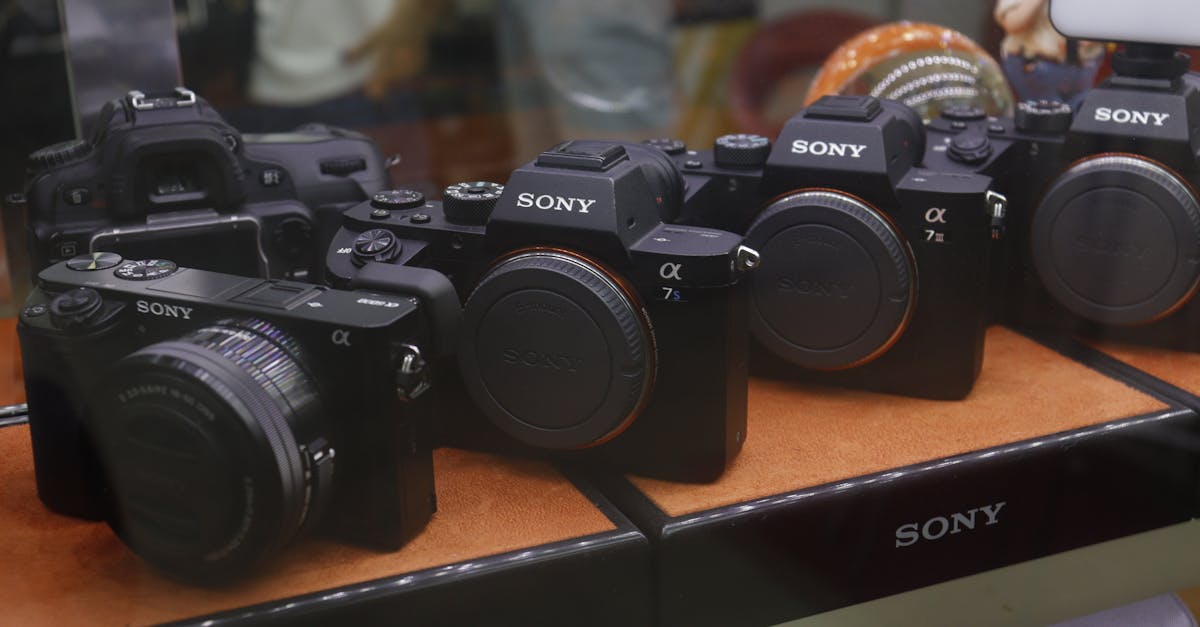
Panasonic Lumix LX100 II is part of the line of compact devices intended for demanding computing and creative use, while retaining the ease of use of a high-end device. Its slender design, slightly retro but resolutely modern, hides real power inside. With relative discretion, it allows those who adopt it to be both discreet and effective in their shots. The philosophy of the Lumix LX100 II is based on a fine balance between advanced features and usability, making it a choice option for those who want to free themselves from bulky devices without compromising on image quality. This model stands out from the moment you hold it with ergonomics designed for prolonged use. Its compact size does not sacrifice stability or comfort, even during long photography sessions while traveling or reporting. Its big advantage lies above all in its Four Thirds sensor, offering excellent light management, a wide dynamic range, and an ability to produce images rich in detail, even in low light. The presence of a 3.1x optical zoom (24-75 mm equivalent) allows great flexibility without the need to add additional lenses.

LECTURE SUGGÉRÉE
Canon vs Nikon: Why choose the Canon EOS R5 for your professional photos?
Contents Introduction: A Strategic Choice in Professional Photography In the sophisticated world of professional photography,…
LIRE L'ARTICLEWhat also sets the Lumix LX100 II apart is its sophisticated user interface. Its high-resolution electronic viewfinder, combined with an adjustable touch screen, makes composition easier in all situations. Focusing is fast, precise, and the ability to film in 4K adds an additional dimension to its versatility. Its manufacturer has taken care to integrate advanced customization options, while remaining accessible, which gives it a professional side in a compact body.
This device is ideal for:
Nomadic travelers looking for a light but powerful tool

Panasonic Lumix TZ200 vs Sony RX100 VII: Which One Should You Choose for Your Travel Photos?
Passionate photographers and avid travelers alike are constantly on the lookout for a compact camera that combines performance and portability.…
CONTINUER LA LECTURE- Urban photographers who appreciate discretion and speed
- Creative photographers who want to shoot in high definition without changing equipment
- Enthusiasts looking for dual photo and video use
- To learn even more, a detailed comparison of the Panasonic Lumix LX100 II with other cameras can be found here. It’s worth noting that its light management, stabilization, and robustness make it an exceptional device in its category.
Discover our comprehensive camera comparison to help you choose the ideal model based on your needs and budget. Whether you’re an amateur or professional photographer, find the best options among the latest technologies. Discover the Fujifilm X100V: a tribute to old-school photographyThe
remains anchored in a visual identity that evokes the design of classic cameras, while relying on resolutely modern technology. Its retro look, clean lines, and brushed metal front make it the ideal companion for those seeking a certain timeless elegance in their equipment. But behind this seductive exterior lies a rigorously engineered mechanism for performance, with a particular emphasis on image quality and speed of use.
Its 26.1-megapixel APS-C sensor is a true marvel that rivals professional DSLRs, delivering rich details, faithful colors, and perfect highlight management. Built-in stabilization, a new addition to this range, provides a real plus for handheld shooting, especially in low light. The simplicity of its controls, embodied by an exposure control dial and a hybrid optical and electronic viewfinder, invites an immediate experience, without wasting time or having to worry about technical issues. Lovers of style and creativity are captivated by its built-in filters and film simulation modes, but above all by the camera’s responsiveness, which instantly captures every moment from an artistic perspective. Wi-Fi and Bluetooth connectivity also allow for quick image sharing without a computer, which will appeal to those who enjoy sharing their vision of the world on social media or at exhibitions. This model is more than just a camera: it becomes an extension of the eye. It is particularly suited for:
Street photographers seeking discretion
Travelers who love vintage aesthetics
Urban creators seeking superior film and image quality
- Artists seeking an instant, reliable, and elegant tool
- To explore its features in detail, an in-depth comparison with other Fujifilm cameras, including the legendary X100V, is available here. The magic happens in the rendering, the speed of capture, and the style that makes this camera so charming. Discover our comprehensive camera comparison: analyze the features, performance, and price of the latest models to choose the one that meets your photographic needs.
- Sensor, image quality, and light management: competing forces
- The central question in any camera choice generally lies in image quality and how light is perceived by the sensor. The
Panasonic Lumix LX100 II uses a Four Thirds sensor, a carefully considered choice that gives it excellent flexibility. Its larger format than traditional compact cameras offers better management of shadows and highlights, reducing digital noise when shooting in low light. The richness of colors, fine detail, and tonal dynamics are among this model’s strong points.On the other hand, the

focuses entirely on its APS-C sensor, considered the benchmark in standalone and professional photography. Its larger sensor size allows for a more pronounced depth of field, better subject separation, and a more natural rendering, even in challenging conditions. The contrast and nuance management is particularly meticulous, favoring a rendering similar to that of traditional film, which represents a real added value for artistic creators. Specifications
Panasonic Lumix LX100 II Fujifilm X100V Sensor Type
Four Thirds (17.3 x 13mm) APS-C (23.5 x 15.6mm) Resolution
| 17.0 MP | 26.1 MP | Light Management |
|---|---|---|
| Good, noise management | Excellent, natural and dynamic rendering | An independent study, available here, confirms that the choice of sensor directly influences image quality, as well as the desired artistic rendering. Compatibility with ambient light remains a key concern for any photographer, whether amateur or professional, working in an urban, natural, or artistic context. |
| Ergonomics, Usability, and Ease of Use | One of the major challenges of high-end compact photography is reconciling ease of use, speed of use, and a variety of controls. In this area, the | Panasonic Lumix LX100 II |
| and the | Fujifilm X100V | offer two different but equally thoughtful approaches. The Lumix emphasizes modern ergonomics, with a tilting touchscreen, an interface with intuitive menus, and accessible buttons. Navigating its shooting modes requires a certain amount of skill, but the overall experience remains fluid and suited to dynamic use. Its high-end OLED viewfinder offers increased precision in composition, which is a real plus for instant responses. |
The Fujifilm X100V, meanwhile, draws its charm from ergonomics inspired by classic design, with an exposure control dial, a hybrid optical/electronic viewfinder, and easily accessible physical controls. Ease of use remains its priority, allowing users to focus on composition rather than reading a complicated menu. The ability to control settings directly via physical controls promotes optimal responsiveness on the street or during a spontaneous shoot. Main Ergonomic Comparison Elements Screen: Tilting touchscreen (LX100 II) vs. hybrid viewfinder (X100V)Controls: Advanced menus (LX100 II) vs. physical controls (X100V)
Weight: Lightweight (LX100 II) vs. Balanced (X100V)
Ease of Access to Settings: Menus vs. Physical Controls For more intuitive use, a video comparison of the ergonomics of these two cameras is available here. Efficient handling and easy access to settings are an integral part of the pleasure of photography, regardless of style or technical level. Video Versatility, Creative Options, and Connectivity Beyond their photographic capabilities, these two models offer advanced options for video, creation, and connectivity. The Panasonic Lumix LX100 II
stands out for its ability to film in 4K UHD at up to 30 frames per second, with effective stabilization and precise autofocus. These qualities make it a versatile camera, capable of meeting the demands of both amateur and experienced videographers.
- The Fujifilm X100V, while primarily dedicated to photography, has also integrated a 4K video mode, but the focus remains on image quality and ease of sharing. Its Bluetooth and Wi-Fi connectivity facilitate file transfer to a smartphone or computer, optimizing the fluidity of collaboration and instant sharing. Its creative modes, such as Film Simulation and built-in filters, will make each video or photo unique, enhancing the final result.FeaturesPanasonic Lumix LX100 IIFujifilm X100V
- Video Resolution 4K at 30 fps4K at 30 fpsStabilizationOptical and DigitalDigital
- Instant Sharing Wi-Fi, BluetoothWi-Fi, BluetoothCreative OptionsFilters, Photo ProfilesFilm Simulations, Filters
- For a practical overview, this video explains how to best use the video component of these devices on YouTube
. The choice of one device or another often also depends on the desire to experiment with a variety of audiovisual creations, without sacrificing quality or fluidity. Price, Availability, and ValueWhen making a purchasing decision, the financial aspect should not be overlooked. The availability of both devices, their price, and their value for money are essential elements in guiding the decision. In 2025, the
Panasonic Lumix LX100 II
is often priced around €900 to €1,100, which remains attractive for a device offering a very competitive sensor, 4K video, and sleek ergonomics. It represents an ideal intermediate solution for those looking to upgrade without breaking the bank. The
Fujifilm X100V is generally priced between €1,300 and €1,500, reflecting its larger sensor, advanced features, and iconic design. Although more expensive, it retains its appeal for discerning creators who prioritize image quality and vintage style in a single camera. A detailed price-performance analysis is available here.For those looking for even better value, a comprehensive comparative study (with subscriptions to independent reviews) can be found here. The investment decision often also hinges on longevity and compatibility with future upgrades.
| Frequently Asked Questions (FAQ) about the Panasonic Lumix LX100 II vs. Fujifilm X100V | 1. Which camera offers better image quality? | The Fujifilm X100V, with its APS-C sensor, generally outperforms the Lumix LX100 II in image quality, especially in low light. 2. Which is more compact for travel? |
|---|---|---|
| The Panasonic Lumix LX100 II is slightly lighter and more compact thanks to its sleeker design, making it ideal for portability. | 3. Which camera is best suited for video? | Both models offer 4K video, but the Lumix LX100 II is often preferred for its advanced filmmaking features. |
| 4. Which offers better handling? | The choice depends on the preferred handling style: physical controls for the Fujifilm X100V, touchscreen interface for the Lumix LX100 II. | 5. Between these two cameras, which offers the best price/performance ratio? |
| For a tighter budget, the Lumix LX100 II offers an excellent compromise, but if image quality is the priority, the Fujifilm X100V justifies its higher price. | ||


