
Compare the Sony ZV-E10 and the Canon EOS M50: the reference choice for vloggers in 2025
In the midst of an explosion in content creation, particularly on platforms like YouTube or TikTok, choosing the right camera becomes a crucial step. The Sony ZV-E10 and Canon EOS M50 models embody two essential references in the APS-C hybrid market, each with its own characteristics. In 2025, where video quality and practicality are more than ever at the heart of expectations, these two devices compete to attract vloggers, whether beginners or seasoned. Their popularity is based on a combination of precise autofocus, articulated screens and ease of use. However, their fundamental differences can direct the choice towards one or the other depending on the user profile, their mobility needs or their performance expectations. Which solutions offer the best autonomy, the best ergonomics or the best compatibility at the start of 2025? All these elements deserve a detailed analysis to make an informed choice in a constantly evolving market.
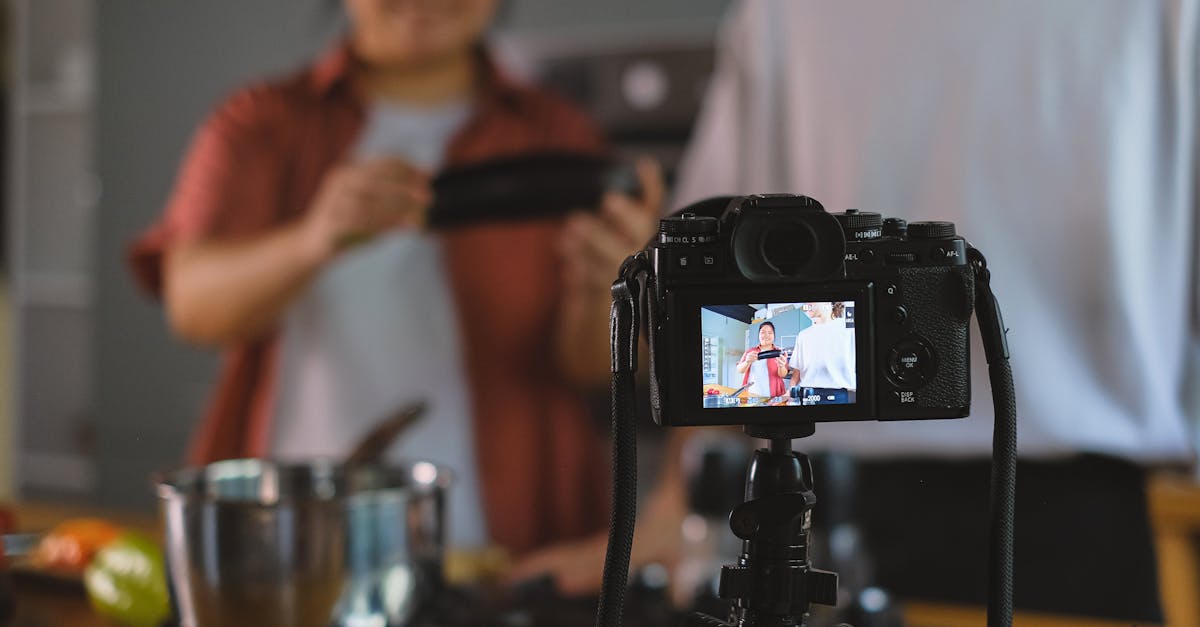
Key technical specifications of the Sony ZV-E10 and Canon EOS M50 in 2025
| Features | Sony ZV-E10 | Canon EOS M50 |
|---|---|---|
| Exit | 2021 | 2020 |
| Sensor | APS-C, 24 MP | APS-C, 24 MP |
| Shooting speed | 11fps | 10fps |
| Standard ISO | 100–32,000 | 100–25,600 |
| Screen | 3”, touchscreen, rotatable, 0.92 Mpx | 3”, touchscreen, rotatable, 1.04 Mpx |
| Viewfinder | No | Electronic, 2.36 Mpx, 100% coverage |
| Video | 4K UHD 30fps, 1080p120fps | 4K UHD 24fps, 1080p60fps |
| Battery life | 440 disappearances | 235 disappearances |
| Weight | 343g | 387g |
This table summarizes the essentials for an initial approach. The Sony ZV-E10 prioritizes lightness and versatility, with a 4K recording capacity of up to 30 frames per second. The Canon EOS M50, meanwhile, remains a robust choice for those who find the viewfinder provides greater control over their framing, even if it boasts a shorter battery life. In terms of responsiveness, the difference in shooting speed is marginal, but the battery’s stability could point toward the Sony model for long filming sessions.

LECTURE SUGGÉRÉE
Panasonic Lumix GX9 vs Fujifilm X-T30: Which Camera to Choose in 2025?
A Comparison of the Panasonic Lumix GX9 and the Fujifilm X-T30 at the Dawn of…
LIRE L'ARTICLEImage Quality and Performance in Variable Light Conditions in 2025
In the world of vlogging, image quality is not just a plus, but a necessity. The 24-megapixel resolution on both cameras guarantees impressive sharpness, even when zooming or cropping. The APS-C sensors provide efficient noise management, reaching ISO 3200 without noticeable degradation. By 2025, the ability to take advantage of high ISO sensitivities will allow creators to film in low-light or nighttime environments without the need for expensive additional equipment.
The Sony ZV-E10 benefits from advanced software processing, particularly in terms of noise reduction and dynamic range enhancement. The Canon EOS M50 offers faithful color and contrast reproduction, which is appreciated during post-production or under varied natural lighting. Macro photography, however, remains limited for both cameras, as the lens is not a system dedicated to shooting in extreme detail. The choice then depends on the desired result: between the finesse of the Sony and the warmer color of the Canon, particularly appreciated when shooting outdoors in urban or natural environments.
Video features in 2025: a major challenge for vloggers
While most vloggers favor video to capture their audience, fluidity, sound quality, and focus automation remain key. The Sony ZV-E10 excels in this area with its nanosecond autofocus, capable of tracking a subject or moving eyes even during impromptu swims or fast-moving scenes. The ability to record in 4K at 30 fps without a time limit is also a notable advancement, given the market trend toward removing time limits on these cameras by 2025.

Nikon D780 vs Canon EOS 6D Mark II: Which is the best choice for photographers in 2025?
A detailed comparison between the Nikon D780 and Canon EOS 6D Mark II for 2025 The DSLR camera market continues…
CONTINUER LA LECTUREThe Canon EOS M50, while powerful, remains somewhat behind the curve for professional video, particularly due to its 4K cropping and lack of built-in stabilization. However, its compatibility with numerous EF-S or EF lenses via an adapter significantly expands its creative possibilities. Canon’s software stability, particularly digital stabilization, offers an alternative to compensate for the lack of physical stabilization. The ability to quickly create transitions or slow motion in Full HD at 120 fps still appeals to many creators.
Battery life and practicality: key factors when choosing a device for vlogging
The long shooting format is another essential component for content creators. The Sony ZV-E10, with its 440 battery discharges, guarantees extended sessions, ideal for travel or outdoor events. The ability to power it via USB in this context becomes a real advantage, allowing for almost infinite battery life by connecting a power bank. The Sony’s lightness allows for discreet carrying and smooth gymnastics.
The Canon EOS M50, with its more limited battery life, often requires a second battery pack or external battery. Its compact design and lightweight design make it a practical option for those who prefer simplicity and stealth. Compatibility with various accessories, including a wide range of lenses, also allows users to customize their setup to their specific needs.
Checklist of essentials for successful vlogging in 2025:
- Long battery life to avoid interruptions
- Accurate and responsive autofocus system
- Articulated and touchscreen for easy framing
- 4K video quality and effective stabilization
- Compatible external microphone for clear audio
Compatibility and accessories: what uses will they be in 2025?
Creators need maximum flexibility in their equipment. Lens compatibility, particularly on the Sony ZV-E10 thanks to its E-mount, allows for variable focal lengths or pancake lenses for stealth. At Canon, compatibility with the EF or EF-S range remains an asset, but requires the purchase of adapters. Essential accessories include microphones, LED lights, and stabilizers to ensure smoothness during shooting on the move.
Sony, Nikon, Fujifilm, and Panasonic models also offer a wide range of accessories designed for the vlogging or storytelling niche in 2025. Some opt for a second compact camera like a GoPro or Ricoh for immersive shots. Compatibility with platforms like DJI for aerial stabilization or Olympus for macro becomes a real bonus for stylistic diversity.
Price and Value for Money in 2025: A Determining Factor
| Model | Approximate Price | Value for Money |
|---|---|---|
| Sony ZV-E10 | €750 | Excellent for the budget, especially for its video quality and lightweight design |
| Canon EOS M50 | €479 | Ideal for beginners, with an attractive price but lower video performance |
Depending on their budget or artistic ambition, some creators prioritize added value or durability. The range of lenses, the integration of an external microphone, or compatibility with other cameras such as Nikon or Fujifilm DSLRs also influence their decision. In 2025, the market offers regular promotions on models like the Sony ZV-E10, considered a long-term investment for quality photography without breaking the bank. Frequently Asked Questions (FAQ) about choosing cameras for vloggers in 2025
The Sony ZV-E10 or the Canon EOS M50: which one should you choose for video?
- For video in 2025, the Sony ZV-E10 stands out thanks to its advanced autofocus features and unlimited 4K recording capacity, ideal for extended vlogs. The Canon remains competitive in terms of digital stabilization and compatibility with a wide range of lenses.
Which battery life should you choose for long outdoor shoots? - The Sony ZV-E10 offers significantly longer battery life with 440 shots, compared to 235 for the Canon EOS M50. The ability to power it via USB adds even more advantages outdoors.
What accessories should you add to optimize your vlogging setup? - An external microphone, LED lighting, a mobile stabilizer, and several specialized lenses are essential in 2025 to ensure professional-quality production. Are there any high-end alternatives from Nikon or Fujifilm?
Yes, Nikon’s Z6II offers advanced video features. Fujifilm also develops high-performance mirrorless cameras, including the X-T4 and X-H2, which are popular for their artistic rendering and ergonomics. - Will the market in 2025 offer even more innovative cameras?
Absolutely. With the arrival of new models like the Sony A7C II or Ricoh cameras with built-in optical stabilization, the selection is constantly expanding to meet all creative needs.


