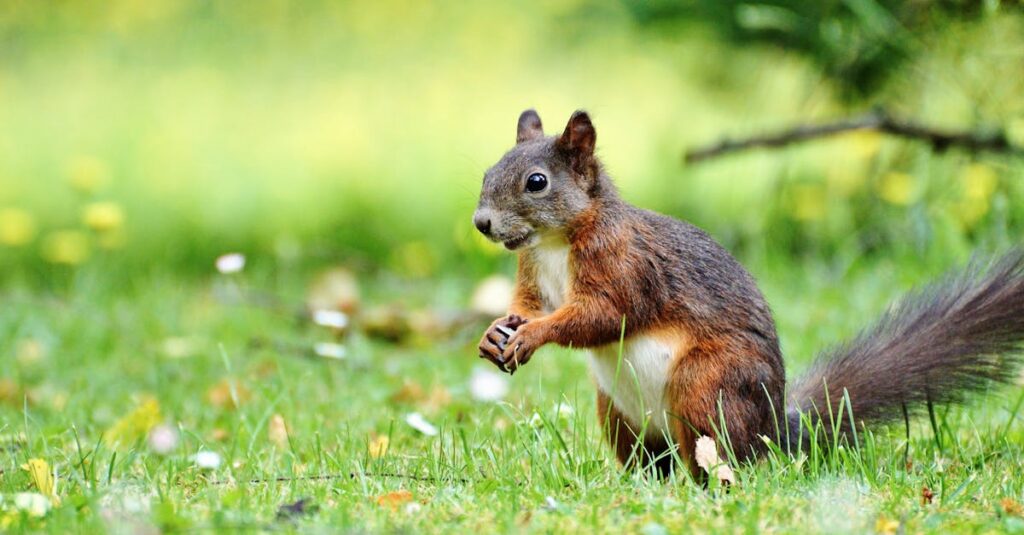
Wildlife photography offers a unique opportunity to capture the beauty of nature in all its splendor. This field requires not only a keen eye, but also careful preparation and an understanding of animal behavior. Whether you are a beginner or a pro photographer, there are techniques and tips that can significantly improve your results.
- Importance of Silent Observation
- Patience as an Essential Virtue
- Using a Suitable Lens with a Long Range
- Choosing the Best Times to Photograph
- Tips for Blending In
Silent Observation to Capture Wildlife
The key to good wildlife photography lies in silent observation. It is crucial to blend into the environment so as not to frighten the animals. This can be achieved through subtle gestures and keeping the volume low. Adopting a discreet approach helps create a space of trust, where the animals feel comfortable enough to interact naturally.

LECTURE SUGGÉRÉE
Guide to Ideal Image Dimensions for Instagram
To shine on Instagram, the key lies in the aesthetics of your content, and that…
LIRE L'ARTICLE| Technique | Description |
|---|---|
| Silence | Avoid talking or making unnecessary noise. Slow Movement |
| Use gentle movements to avoid alerting the animals. | Using a Hide |
| Invest in a blind to maximize your chances. | Have you ever noticed that sometimes animals appear when you least expect them? This is often the result of a calm and patient approach. Taking a moment to observe can yield images you never imagined. |
Discover the art of wildlife photography, where the beauty of wildlife is captured in stunning images. Explore tips, techniques, and inspiring stories to immortalize nature in all its splendor.

Patience is an essential virtue for wildlife photographers. Spending time observing the movements of animals in their natural habitat significantly increases the chances of capturing unforgettable moments. Sometimes, the best course of action is to remain motionless in a strategic location, waiting for the animal to show up. This can require several hours, or even days, of preparation and silence.
Embed in nature: Spend several hours observing the same location
- Reflect on animal behavior: Each species has its own routines
- Surprises: Beware of unexpected moments
- Experienced photographers know the importance of resilience and tranquility. Take the time to listen to the surrounding sounds: a rustling of leaves can signal the presence of an animal nearby. This can sometimes lead to a memorable encounter, capturing a rare interaction between species.
Essential Tips for Mastering the Art of Portraiture
Portrait photography is a delicate and fascinating art that captures theessence of an individual while revealing his personality and his…
CONTINUER LA LECTUREAt dawn or dusk, animals often become most active. These moments, known as the “golden hours,” refer to the hours when the light is soft and warm, ideal for photography. Furthermore, it’s important to plan your outings around the best times for animal activity. Don’t hesitate to consult articles on animal observation to optimize your approach.
Photography Time Advantage Dawn
| Active animals and very soft light. | Dusk |
|---|---|
| Ideal for capturing unique atmospheres. | Cloudy Day |
| Diffused light can reduce contrast. | These prime hours can transform your photos, providing your subjects with dramatic lighting while adding atmosphere. It’s recommended to arrive on location well before sunrise or after sunset to capture every precious minute. |
| Discover the art of wildlife photography, where the beauty and diversity of wildlife come to life through the lens. Immerse yourself in spectacular landscapes and capture unique moments of unspoiled nature. | Using the Right Lens for Wildlife Photography |
Wildlife photography requires specific equipment. Using a lens with a long reach, such as those from brands like Nikon, Canon, Sony, or Tamron, can be a significant investment but is essential. These lenses allow you to maintain a respectful distance while still capturing captivating details. Lenses with a focal length longer than 200mm are often recommended. Telephoto lenses (Sigma, Fujifilm) are ideal for zooming in on distant scenes 🦒.

Photo backpacks (Lowepro) to safely transport all your gear 🏞️.
Equipping your camera with the right lenses and accessories can really make a difference. Choose a versatile zoom lens to capture action scenes in the great outdoors. https://www.tiktok.com/@/video/7402313266099195179?u_code=d83m1fj0dl2mkc&share_item_id=7402313266099195179&share_app_id=1233Camouflage techniques to blend into the landscape Blending into your surroundings is a trick that should not be underestimated. Sudden movements can frighten animals, so wear clothing suitable for nature. Neutral colors and natural patterns, such as camouflage, help avoid attracting the attention of animals.Clothes UtilityNatural patterned clothing Reduce your visibility in nature.Hiking boots
- Provide comfort and noise prevention when walking. Camouflage accessories Hide face and hands to resemble surroundings.Good camouflage coupled with calm behavior will give you a better chance of observing and photographing wild animals in their natural habitat. Remember that respect for their living space also plays a crucial role in this experience.Wildlife Photography FAQs When are the best times to take animal photos?> The best times are at dawn and dusk, when animals are most active.
- What type of lens should I use? > A lens with a long focal length is preferable to keep a respectful distance.Is it necessary to camouflage?> Yes, camouflage helps not to frighten animals.
- How do you know where to go to observe wildlife? > Research parks and reserves, some are renowned for their biodiversity.Is patience important in wildlife photography?> Absolutely, it allows you to wait for the perfect scene while observing calmly.
By adding these techniques to your arsenal, you’re ready to capture the magic of wildlife with your camera. Don’t forget: respect for nature and animals is essential in this adventure.