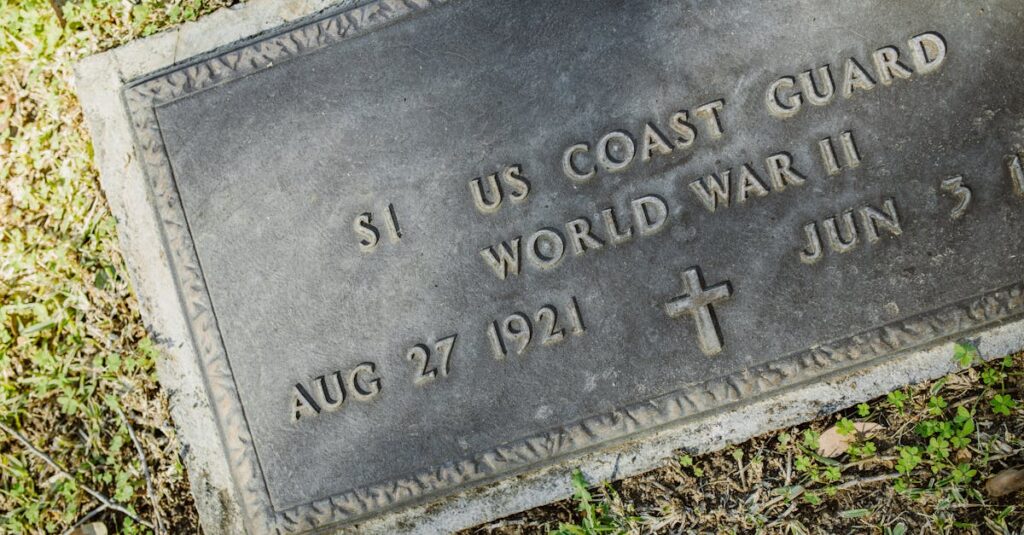
A striking immersion into the turbulent history of the 20th century, this photography exhibition in Sarralbe offers a unique opportunity to revisit the Second World War through the lens of contemporary talent. In the heart of the Moselle region, this “39-45” retrospective unveils images from the past that combine collective memory and artistic perspective, offering a kind of historical vision somewhere between realism and the picturesque. The highlighting of period documents, emblematic locations, as well as portraits of soldiers and civilians, allows visitors to sensitively grasp the complexity of this period. The approach is intended not only as a tribute to these living archives, but also as an invitation to question our memory, through images of the past that leave behind an indelible mark. The richness of this exhibition lies in its ability to create a dialogue between history and art, offering a universe where each photograph becomes a silent but eloquent testimony. Moselle, a region marked by history, thus reveals itself as a privileged terrain for shared reflection on memory, resistance, and reconstruction.
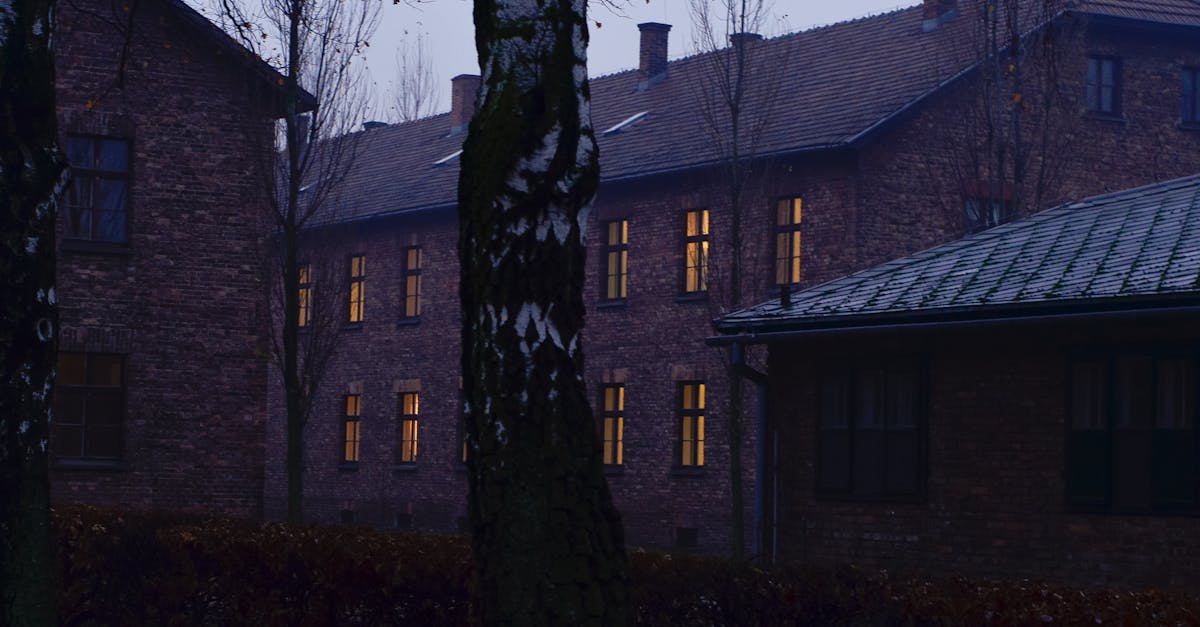
An in-depth look at daily life during the Second World War through the lens of a young photographer from Sarralbe.
This project, embodied by the enthusiastic eye of a young BTS photographer from Sarralbe, unveils a series of around thirty images capturing the essence of a troubled era. Through her photographs, she reveals the double vision of history: on the one hand, the brutal shock of war, its horrors and losses, on the other, the resilience and the small stories that shape everyday life. Her gaze falls as much on the bunkers of Wittring as on the ruins of Spicheren, places steeped in memory and which illustrate the brutality of the fighting. The artist collaborated with various historical reenactment associations, bringing to life reconstructed scenes depicting the lives of German, American, and French soldiers, but also that of civilian populations, notably the Malgré-nous. The approach is not only documentary; it invites a form of living memory, where each photograph becomes a visual chronicle of precious moments, sometimes fleeting, but always carrying a message. The approach is part of a tradition of visual memory, positioning itself as a form of modern “Historial,” somewhere between living archives and artistic creations.

LECTURE SUGGÉRÉE
Photographic discovery in Laxou: an exhibition between ‘like rock water’ and ‘peels’
Summary In the heart of the town of Laxou, this year, 2025, a unique encounter…
LIRE L'ARTICLE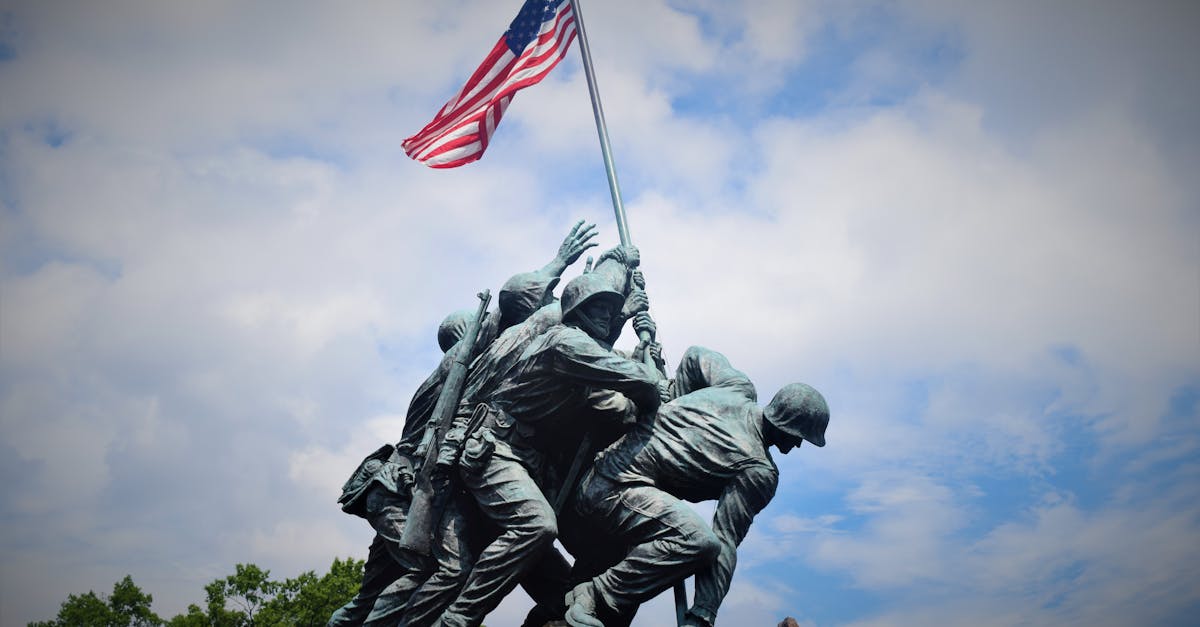
A synthesis of living archives: how photography captures the rapid and emotional nature of war.
What this initiative reveals is the power of the photographic medium to document war chronicles. Beyond simple documentation, it invites reflection on memory in photographs, with an emphasis on the role of the image as a vector of history. The selection of images shows how photography becomes a direct testimony, allowing us to capture the rapid passage of time, expressions of anguish or courage, and life as it collapses or is rebuilt. The photographer is also interested in the symbolic dimension of places, such as bunkers or battle sites, which then become living archives of memory. The power of images lies in their ability to transcend time, to offer keys to understanding this historical period without lapsing into excessive lyricism or dramatization. Visual documentation is essential to keep alive the often silent stories of these anonymous or unknown actors, such as certain resistance fighters or innocent civilians. The exhibition showcases these images, creating both a retrospective of the 1939-1945 period and a shared memory on a local and global scale, embodying a true “Historial” accessible to all.
| Exhibition Features | Description |
|---|---|
| Iconic Sites | Wittring Bunkers, Spicheren, Historic Sites in Moselle |
| Themes Covered | Soldiers, Civilians, Resistance, Collective Memory, Living Archives |
| Types of Images | Period Photographs, Reenactments, Portraits, Historical Landscapes |
The Impact of Photography in Transmitting the Memory of World War II in Sarralbe
Photography constitutes a true bridge between the past and the present, acting as an educational and memorial tool. The vision of this young artist embodies a modern trend of “Images of the Past,” where each shot becomes a vector of emotion and transmission. By extensively utilizing contemporary tools, such as digital photography, the young artist manages to magnify these historical scenes while preserving their authenticity. She also uses architectural sites such as bunkers or the remains of the Maginot Line, true witnesses of history, to create a dialogue between memory and modern technology. Her approach is not limited to simple documentation; it offers a true reading of the war through an artistic and historical perspective. The strength of these images lies in their ability to evoke sincere emotion in the viewer, allowing for a better understanding of the complexity of a period that continues to influence our societies. This approach fosters the emergence of a collective memory—a memory shared by all, through a visual culture enriched by war photography, which becomes a vehicle for reflection and civic engagement. Discover the key events of the Second World War, a global conflict that profoundly changed the course of history. Explore the causes, major battles, consequences, and lessons learned from this tragic but crucial period in our past.A memorial retrospective: a gallery of images that tell the great story and its smaller chronicles. The purpose of this exhibition goes beyond simple historical representation; it becomes a true visual memorial. Each photograph, each scene, embedded in a unique visual narrative, contributes to a collective memory. The tension between humanity and brutality is played out, fueling a profound reflection on how society remembers and transmits its stories. The artistic approach also emphasizes “living archives,” illustrating the very rich diversity of journeys, whether by resistance fighters, civilians, or the military. The scenography favors an immersive experience, where the visitor can perceive what life was like under occupation, war, and also reconstruction. The artistic creation of this young photographer, who notably received the Lindokuhle Sobekwa 2025 Prize, is part of this desire to bring memory to life. Her candid perspective as a historical chronicler invites a contemplation that is both sensitive and critical, bringing back to life these archives, often silent but essential to our collective knowledge.Frequently Asked Questions (FAQ)
A journey through Brazil: Elza Lima, between the shores and reality
Brazil, a vast mosaic of cultures, landscapes, and histories, offers each traveler an authentic immersion into a universe where majestic…
CONTINUER LA LECTURE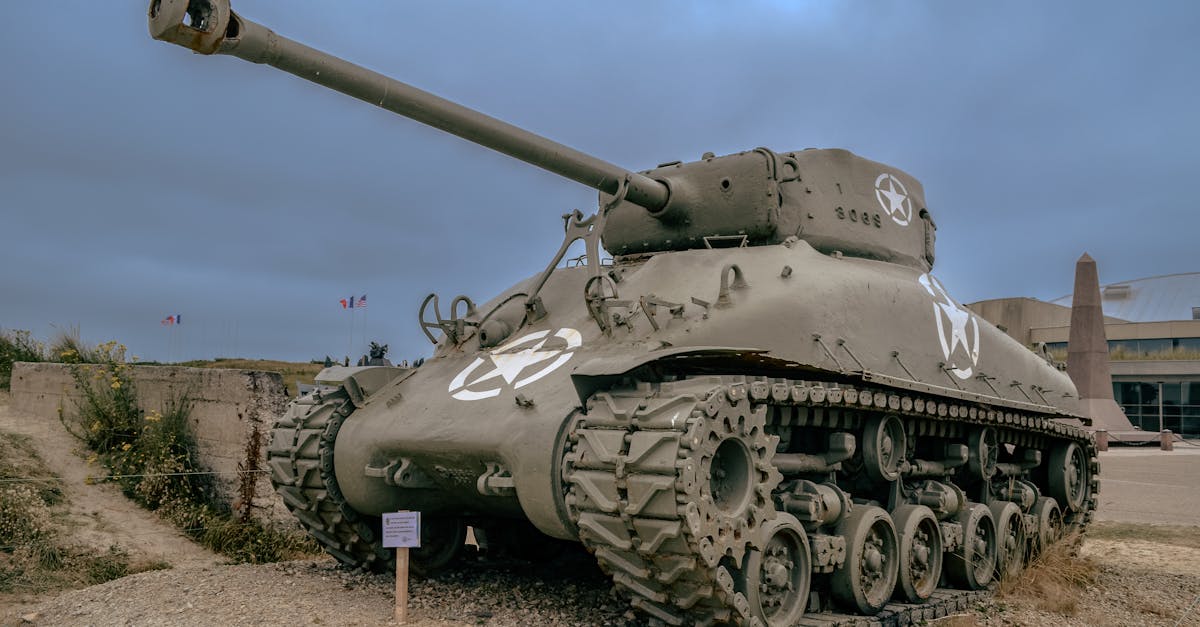
Which historical sites are highlighted?
Among these, the bunkers of Wittring, Spicheren, and other sites in Moselle play a central role as living archives of this period. How does photography modernize the approach to memory?By using digital techniques and collaborating with reenactment associations, it offers a contemporary reading of history, making memory more accessible and emotional.
What are the challenges of the 39-45 retrospective?
- The aim is to keep memory alive, to better understand the challenges of resistance and reconstruction, while promoting collective civic reflection. Where can we discover other similar exhibitions?
- Several museums and institutions offer similar initiatives, including the Museum of the Liberation in Mende
- and the Museum of Aquitaine in Bordeaux
- . Source:
- www.republicain-lorrain.fr