Photography is an art form that transcends the simple capture of images, allowing artists to play with light and composition to express emotions and stories. Among the most fascinating techniques, double exposure stands out for its power to create unique and evocative works. This method, which superimposes two or more images, invites true artistic experimentation. Whether playing with silhouettes, textures, or landscapes, double exposure opens up a world of creative possibilities. Prepare to discover how this technique can transform your shots into true visual narratives, both intriguing and enchanting. Double exposure is a fascinating technique that allows two images to be superimposed to create a unique work of art. By playing with textures, shapes, and colors, photographers can tell captivating visual stories. This article offers a detailed overview of this practice, from technical advice to creative tips, including striking examples that illustrate the full potential of this artistic method. What is Double Exposure? Double exposure is a photographic process that involves superimposing two separate images to form a single composition. Originally used in film photography, where the same film is exposed multiple times, this technique has been integrated into digital photography through specific modes and editing software. It grants artists unprecedented creative freedom, allowing them to explore complex themes while playing on the emotions evoked by visual art. Stories and Emotions When creating a double exposure, each image plays a role in telling a story. For example, a human silhouette superimposed on a natural landscape can illustrate the harmony between humans and nature. Visual storytelling thus becomes a powerful tool for conveying emotions and connecting with the viewer, creating an immersive experience. Photographers can thus express profound ideas or convey social messages through their work. Technique and Creativity Technical Basics Mastering the basics of exposure, such as aperture, shutter speed, and ISO, is essential before delving into the world of double exposure. Each parameter influences the final result, and a good balance allows for capturing harmonious images. Furthermore, knowing the different shooting modes—including manual and priority modes—gives photographers the flexibility to experiment and create unique works.
Choosing Subjects

LECTURE SUGGÉRÉE
Evaluation of luminous properties
The evaluation of luminous properties is an essential field that measures and analyzes the behavior…
LIRE L'ARTICLEChoosing subjects is crucial when it comes to double exposure. A first subject, often a silhouette or portrait, must be paired with a second, more detailed subject, such as a landscape or texture. A thoughtful combination allows for compositions where each element complements the other, enriching the viewer’s visual experience. This is where creativity comes into play, allowing you to experiment with various combinations and stand out with original works.
Creativity in Post-Processing For those who wish to refine their creations, post-processing is an essential tool. Software such as Adobe Photoshop offers advanced features for managing layers and blending modes. Playing with opacity and visual effects can significantly transform an image. For example, applying layer masks allows for the subtle and refined integration of elements while maintaining the integrity of the initially chosen subjects.
Accessible Mobile Apps and Resources
Many mobile apps also allow for the creation of double exposures, making this technique accessible even to smartphone users. Apps like Diana Photo and Blend Editor offer simple options for achieving creative effects without requiring advanced technical skills. This opens the door to creativity for anyone eager to explore photography in innovative ways. Conclusion of the Artistic Adventure Double exposure is more than just a photographic technique; it is a true means of artistic expression, capable of transcending single images to offer a unique vision of the world. By merging different images, photographers can create works that stimulate the imagination and provoke emotions. Whether through experimentation while shooting or refinement in post-processing, every click becomes an exciting exploration of creativity. https://www.youtube.com/watch?v=x-OBTgZQNyI
Double exposure is a fascinating artistic technique in photography that allows multiple images to be layered to create a captivating visual effect. It opens up a world of creative expression, whether combining majestic landscapes with moving portraits or pairing natural textures with geometric shapes. This article explores this practice, revealing its origins, implementation techniques, and practical tips for creating your own successful creations.
What is Double Exposure?
Double exposure involves juxtaposing two or more images to create a single image. Its origins date back to film photography, where it was achieved by exposing the same piece of film twice. Today, with digital tools, this method is more accessible, allowing creators to express themselves freely. Why Use Double Exposure? This technique offers a multitude of artistic benefits. It allows you to create unique works, tell a complex story through layered images, and explore different creative avenues. By experimenting with double exposure, photographers can enhance their personal style while pushing the boundaries of their imagination.
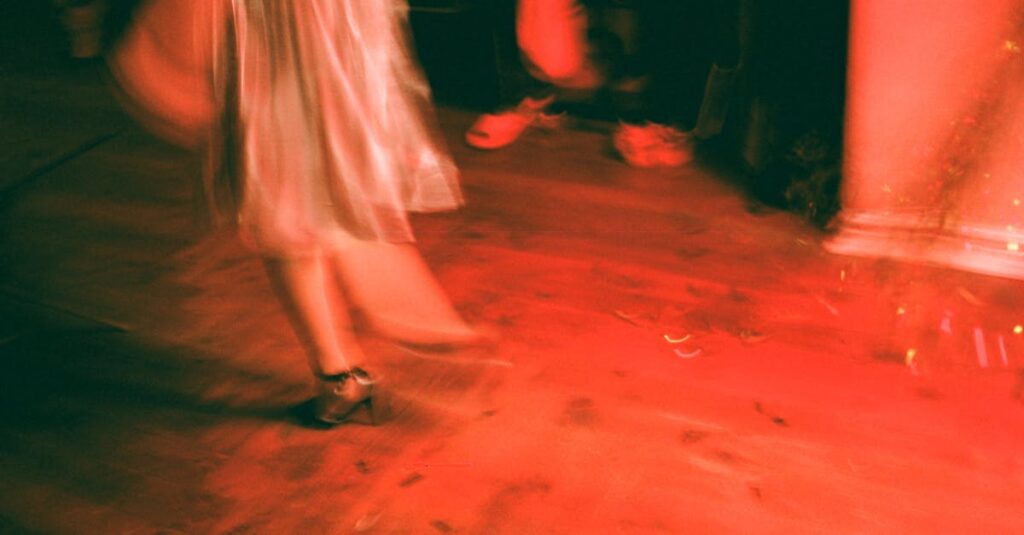
Film photography: a return to its roots in 2025
In 2025, film photography is experiencing a true revival, blending nostalgia with technological innovations. This return to a classic medium…
CONTINUER LA LECTUREThe Technical Basics of Double Exposure
Understanding Exposure Before diving into double exposure, it is essential to master the basics of exposure in photography, including aperture, shutter speed, and ISO sensitivity. These settings will greatly influence the final result of your layered images. Shooting Modes Working in manual mode allows complete control when shooting. Other modes such as aperture or shutter priority can also be used, but manual mode is generally preferable for double exposures.
Performing Double Exposure with a Digital Camera
To perform double exposures, first check if your video camera has built-in features for this technique. Prepare your camera in RAW mode for best image quality and choose your subjects carefully to maximize the visual impact of the overlay. Double Exposure in Post-Processing If your camera doesn’t support double exposure, software like Adobe Photoshop can be used to create this type of image. Import your photos, create layer masks, and play with blending modes to refine the final result. With practice, you’ll master this digital art!
Practical Tips for Successful Double Exposure
When exploring double exposure, it’s important to plan your ideas, choose subjects and textures that complement each other, and experiment with colors. Mobile apps can also facilitate the creation of double exposures, making the process even more accessible. Common Mistakes to Avoid It’s vital to avoid certain common mistakes, such as choosing overly complex subjects, poor exposure, or incorrect alignment. By paying attention to these details, you’ll maximize your chances of creating impressive works. Double exposure is a fascinating technique that allows you to create unique images by layering multiple shots. This process, which combines creativity and technique, offers a multitude of possibilities for combining textures, shapes, and emotions. If you’re passionate about photography and want to dive into the captivating world of double exposure, here are some practical tips to guide your explorations. Preparation Before Shooting
Before you start creating double exposures, take the time to plan your shots. Think about subjects that can interact harmoniously. For example, a silhouette can pair perfectly with a colorful landscape or an interesting texture. By preparing your compositions, you increase your chances of capturing impactful images.
Choosing Subjects
Dark on a light background often works best because it allows for a seamless integration of the second image. Also consider using natural details such as leaves, skies, or architectural elements. Don’t hesitate to explore different combinations that may seem unlikely at first.
Understanding Technical Settings
Mastering your camera’s technical settings is crucial for achieving successful double exposures. Familiarize yourself with exposure, shutter speed, and aperture. Working in manual mode allows you to precisely control the adjustments needed for each image. If possible, shooting in RAW format will allow you to retain more information, making post-processing easier.
Experimenting With Blending Modes
Blending modes are powerful tools for adding an artistic dimension to your images. Experiment with different settings such as “Add,” “Average,” or “Overlay” to see how they influence the harmony between the images. Each mode offers a distinctive look, and several attempts will help you discover the one that best suits your vision.
Post-Processing and Refining
Once your images are taken, post-processing becomes the stage where you can refine your creations. Use software like Adobe Photoshop to adjust opacity, modulate contrast, and experiment with color effects. Don’t underestimate the power of an eraser to remove unwanted parts or add graphic elements that complete the composition.
Don’t Be Afraid to Experiment
Finally, don’t be afraid to experiment.
different techniques and make mistakes. Photography is a medium of expression where every flaw can become an opportunity to learn. Experimentation is the key to developing your own style and finding what works best for you. The more you explore the magic of double exposure, the more you’ll be able to evoke emotions through images that are just waiting to be created.
Discover the fascinating art of double exposure, an innovative photographic technique that merges two images to create unique and artistic compositions. Learn how to master this method to give your photos a new dimension.
Double exposure in photography is a fascinating technique that allows images to be fused together, creating a unique work of art. By superimposing two or more photos, the photographer can tell a story, evoke emotions, and capture moments in a completely new way. This magic lies in the ability to combine disparate visual elements to create a new interpretation of reality. At a glance, these images seem ordinary, but a deeper dive reveals a universe where imagination and reality collide. Silhouettes blend with landscapes, textures intertwine with faces, and each composition becomes a dialogue between the photographed elements. Each click is an invitation to experiment, to discover the infinite possibilities offered by this artistic practice.
The beauty of double exposure is that it’s not limited by strict rules; it’s a creative playground where each artist can express their own emotions and visions. Thus, by exploring the magic of this technique, we don’t just take photographs; we create visual narratives that enrich our photographic experience and awaken our creativity.
Double exposure is a unique art form in photography that merges two separate images into a single, captivating work. This technique, which has its roots in film photography, has evolved with the advent of digital technology, making its use more accessible than ever. Exploring double exposure not only allows for complex visual storytelling, but also allows for limitless creativity. In this article, we’ll discover practical tips for creating successful double exposures and how to maximize your creative potential.
Choosing the Right Images
Choosing your subjects is essential for creating a successful double exposure. Choose a
first subject
which can be a silhouette or a well-defined portrait. Choose a plain background, which will make it easier to layer with other images. For the second subject, choose an image rich in detail, such as a landscape or natural texture, which will complement and enrich the first image. The harmonious combination of these elements is crucial for the visual impact of the final work.
Mastering Technical Settings
Before diving into creating double exposures, it’s imperative to understand the technical basics of photography. Familiarize yourself with concepts such as aperture, which controls depth of field, shutter speed, which determines exposure time, and ISO.
, which affects light sensitivity. These factors directly influence the quality of your photos and, consequently, the effectiveness of your double exposure. Use the Right Shooting Mode To capture double exposures, manual mode is often recommended. This mode gives you complete control over your camera settings, allowing for a better adaptation to the specifics of the double exposure. Other modes, such as aperture priority, can also be used, depending on the needs of your shot. Carefully choose the mode that best suits your style and creative vision. Explore Post-Processing Techniques Double exposure isn’t just about shooting. Post-processing is a crucial step in refining and perfecting your work. Software like Adobe Photoshop allows you to adjust the opacity of layers and experiment with different blending modes to achieve the desired effect. Using layer masks also helps isolate certain areas while subtly integrating elements from one image into the next.
Playing with Colors and Textures
Once your images are layered, consider the color palette and textures. Black and white images can offer a classic and timeless look, while bright colorswill draw the eye and add a unique dynamic to your composition. Experiment with different combinations to see what works best for your art project. Inspiration and Creativity Double exposure is a playground for the imagination. Feel free to explore different sources of inspiration, by browsing other photographers’ work or exploring platforms like Instagram and Pinterest. Keep an eye out for trends and new ideas to fuel your creativity. This can also include experimenting with mixed media, where you combine photography with other art forms, such as drawing or painting.
By following these practical tips, you’ll be well on your way to mastering the magic of double exposure and creating works that will captivate and amaze your audience.
https://www.tiktok.com/@samuella_hagency/video/7431914493677948193 Discover the art of double exposure, a creative photographic technique that combines two images into a single captivating work. Learn how to play with light and composition to create unique portraits and dreamlike landscapes. Explore tips and inspiring examples to master this artistic approach. Art & Creativity Freedom of Artistic ExpressionStorytellingTelling Stories Through Images Techniques Mastering Exposure SettingsInspirationObserving Nature and Human Forms Composition Balance Elements Within the Image
Experimenting
Playing with Textures and Colors Emotion Creating a Strong Emotional Impact
Tools
Using Appropriate Editing SoftwareDouble exposure is a fascinating technique that elevates photography to an artistic level rarely achieved by other methods. By merging two or more images, it offers a unique opportunity to tell stories and evoke emotions in a visually evocative way. The results can be incredibly rich, with each photograph becoming a complex narrative canvas capable of expressing ideas and feelings of transcendental depth.For both beginner and experienced photographers, learning this technique represents a true creative journey. Double exposure encourages you to think outside the box and experiment with light, shadow, and composition. By playing with a variety of subjects—whether natural, urban, or abstract—artists can personalize their approach, giving free rein to their imagination. Thus, each image created becomes a personal expression, a reflection of the artist’s thoughts and emotions. Modern technology, with advanced digital cameras and editing software, has made this technique accessible to everyone. Whether you choose to create a double exposure directly with a camera or explore post-processing software, there are several paths to mastering this art. Each method has its own charms and challenges, but they all offer the same creative potential. Ultimately, delving into the practice of double exposure should be considered an exciting adventure. It inspires photographers to push the traditional boundaries of their craft, explore new dimensions, and, above all, have fun in the creative process. Let yourself be seduced by this magic, and open the doors to a world where your visions can truly come to life. FAQ: Your Questions About Double Exposure in PhotographyWhat is double exposure in photography? It’s a technique that involves superimposing two or more images to create a single composite photograph. It’s a technique that involves superimposing two or more images to create a single composite photograph.
Can my camera do double exposures?
Many modern cameras have a multiple exposure feature. Consult your camera’s manual to check. Many modern cameras have a multiple exposure feature. Consult your camera’s manual to check. Do I need Photoshop to do a double exposure?

No, you can do it directly with your camera if the feature is available, or use other software or mobile apps.
What subjects work best for double exposures?
Silhouettes, portraits, natural textures, landscapes, and geometric shapes are all excellent choices. Silhouettes, portraits, natural textures, landscapes, and geometric shapes are excellent choices.
How can I avoid over/underexposure when using double exposure?
By slightly underexposing each image or using the appropriate blending modes in editing software.
By slightly underexposing each image or using the appropriate blending modes in editing software. Can I create a double exposure with a smartphone? Yes, there are several apps that allow you to create double exposures on your phone. Yes, there are several apps that allow you to create double exposures on your phone.Does double exposure work in color or black and white? Both options are possible and offer different results. Don’t hesitate to experiment.Both options are possible and offer different results. Don’t hesitate to experiment.
How to perfectly align two images?
Use a tripod to stabilize your camera and plan your shots accordingly. Use a tripod to stabilize your camera and plan your shots accordingly.Can I do more than two exhibitions? Yes, some devices and software allow multiple images to be superimposed.Yes, some devices and software allow multiple images to be superimposed.What free software can I use for double exposure?GIMP, Darktable or mobile applications like “Snapseed” offer double exposure functionalities.
GIMP, Darktable or mobile applications like “Snapseed” offer double exposure functionalities.
Should I shoot in RAW or JPEG? It is recommended to shoot in RAW for better quality and more flexibility in post-processing. It is recommended to shoot in RAW for better quality and more flexibility in post-processing. How to choose the right blending modes in Photoshop? “Screen”, “Inlay” or “Overlay” modes are commonly used. Try different modes to see which one works best.
“Screen”, “Inlay” or “Overlay” modes are commonly used. Try different modes to see which one works best.
Is double exposure suitable for all photographic genres? It is most common in artistic and conceptual photography, but can be creatively adapted to other genres. It is most common in artistic and conceptual photography, but can be creatively adapted to other genres. How can I learn new double exposure techniques? Follow online tutorials, read specialized books, or attend workshops. Follow online tutorials, read specialized books, or attend workshops. Does double exposure affect the quality of the final image?
If done well, the quality remains high. However, exposure or blending errors can affect the result.
If done well, the quality remains high. However, exposure or blending errors can affect the result. Can I sell double exposure photos? Yes, as long as you respect the rights of the photographed subjects and the images are your own creation. Yes, as long as you respect the rights of the photographed subjects and the images are your own creation. How do I add text or shapes to my double exposure?
Use editing software like Photoshop to incorporate additional elements.
Use editing software like Photoshop to incorporate additional elements. Is double exposure difficult for a beginner?
With a little practice and by following clear steps, even a beginner can achieve beautiful double exposures.

- There are no universal settings, but working in manual mode and in RAW will give you more control. There are no universal settings, but working in manual mode and in RAW will give you more control.
- Where can I find inspiration for my double exposures? Look at online portfolios, social media like Instagram or Pinterest, and look at the work of other photographers.
- Look at online portfolios, social media like Instagram or Pinterest, and look at the work of other photographers. This is a technique that involves superimposing two or more images to create a single composite photograph.
- Many modern cameras have a multiple exposure feature. Consult your camera’s manual to verify this. No, you can do this directly with your camera if the feature is available, or use other software or mobile apps.
- Silhouettes, portraits, natural textures, landscapes, and geometric shapes are all excellent choices. You can do this by slightly underexposing each image or by using the appropriate blending modes in editing software.
- Yes, there are several apps that allow you to create double exposures on your phone. Both options are possible and offer different results. Feel free to experiment.
- Use a tripod to stabilize your camera and plan your shots accordingly. Yes, some cameras and software allow you to superimpose multiple images.
- GIMP, Darktable, or mobile apps like Snapseed offer double exposure features. It’s recommended to shoot in RAW for better quality and more flexibility in post-processing. “Screen,” “Overlay,” or “Overlay” modes are commonly used. Experiment with different modes to see which one works best.
It’s most common in artistic and conceptual photography, but can be creatively adapted to other genres.
Follow online tutorials, read specialized books, or attend workshops.
If done well, the quality remains high. However, exposure or blending errors can affect the result.
Yes, as long as you respect the copyright of the subjects photographed and the images are your own creation.
Use editing software like Photoshop to incorporate additional elements.
- With a little practice and following clear steps, even a beginner can achieve beautiful double exposures.
- There are no universal settings, but working in manual mode and in RAW will give you more control.
- Look at online portfolios, social media sites like Instagram or Pinterest, and observe the work of other photographers.
-
-
-
-
-
-
-
-
-
-
-
-
-
-
-
-
-
-
-