
Photography is much more than simply capturing images; it’s an art form that combines technical mastery and aesthetic sensibility. Achieving excellence in this vast and fascinating world requires more than just state-of-the-art equipment. It’s about understanding the fundamentals, developing an artistic eye, and constantly cultivating your creativity. In this article, we explore practical and inspiring tips that will guide you in your quest for perfection, enabling you to transform fleeting moments into timeless works of art.
Photography is much more than just clicking a camera; it’s an exciting journey where technique and creativity intersect. To succeed in this art, a photographer must immerse themselves in technical aspects while developing a personal vision. This article offers practical and inspiring tips that will guide you towards photographic excellence.

LECTURE SUGGÉRÉE
Guide to Ideal Image Dimensions for Instagram
To shine on Instagram, the key lies in the aesthetics of your content, and that…
LIRE L'ARTICLEUnderstanding the Fundamentals
Before diving into the creative world of photography, it’s essential to understand the technical fundamentals. Mastering the concepts of composition, lighting, and camera settings is essential. Delving into these elements not only allows you to capture quality images, but also to express your artistic vision with greater clarity. Lighting: The Key to AtmosphereLighting is a key element in photography. Whether you use natural or artificial light, how you manipulate that light can radically change the mood of your image. Learn to see shadows and highlights through your lens, as they can add depth and emotion to your work. Adapt your approach to different lighting conditions to increase your technical mastery.
Composition Techniques
Visual composition is essential for creating captivating photos. Familiarize yourself with concepts like the rule of thirds, lines of force, and perspective. These tools will help you structure your photographs in a cohesive and compelling way. Don’t be afraid to experiment with new angles to discover new ways to tell stories through your images. Optimal Equipment Choosing the right equipment is essential to meet each photographer’s personal requirements. Look for a camera that suits your style, whether it’s a classic DSLR or a mirrorless model. Lenses also play a crucial role in the quality of your shots; invest in models that suit your needs, whether landscapes, portraits, or macros. Develop an Artistic Vision Developing your artistic vision is fundamental to distinguishing yourself as a photographer. Consider the intention behind each photo: what story do you want to tell? What emotion do you hope to convey? Explore different styles and inspirations to grow personally and artistically. Post-processing: Bringing your images to lifePost-processing is often overlooked by photographers, yet it plays a key role in the final result of your work. Use software like Lightroom or Photoshop to fine-tune the brightness, contrast, and saturation of your images. This final touch can transform an ordinary photo into a captivating work.Continuous practice and constructive feedback
To master the art of photography,
constant practice is crucial. Don’t just take occasional photos: take on challenges, explore different techniques, and learn from each experience. Share your work with other photographers to get constructive feedback that will help you progress.Determine Your Unique Style
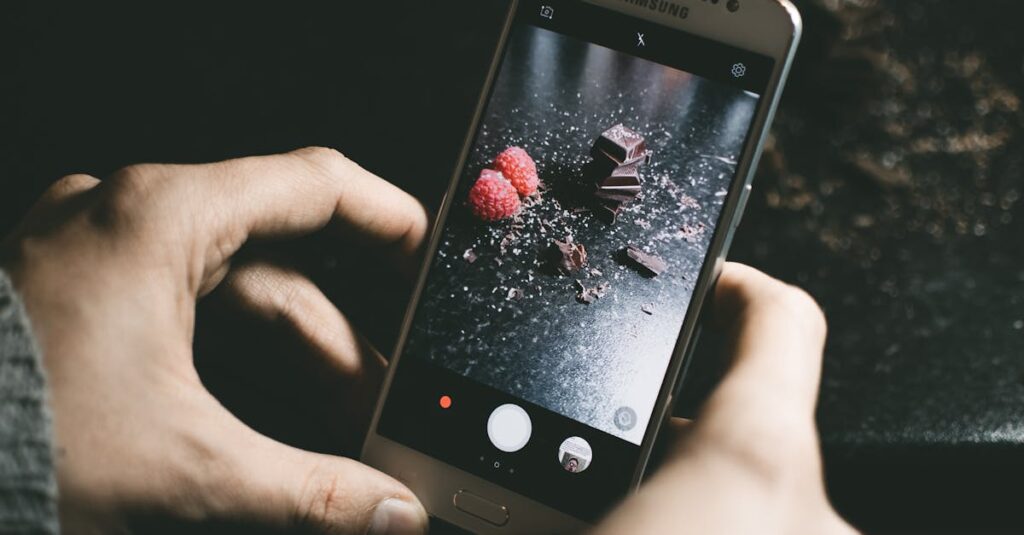
Food Photography: Tips to Enhance Your Dishes in 2025
In an increasingly visual world, food photography is establishing itself as an art form in its own right. By 2025,…
CONTINUER LA LECTUREFinally, every photographer has their own unique style. Take the time to analyze your work to identify recurring patterns and what truly inspires you. Ask for peer reviews to better understand how your style is perceived and how you can refine it even further.
https://www.youtube.com/watch?v=UdULQGC-fHU Photography is a passion that requires a subtle balance between technique and creativity. To achieve excellence, it is essential to integrate solid skills, the right equipment, and a thoughtful artistic approach. This article guides you through the key steps to develop your photographic artistry and capture memorable images. Understanding Technical Fundamentals Every photographer must first familiarize themselves with essential technical principles, such as composition, lighting, and camera settings. ISO, shutter speed, and aperture are crucial elements that influence image quality.
Mastering composition is also essential. By using techniques like the rule of thirds and playing with strong lines, you can create eye-catching images. Working with natural and artificial lighting helps bring your photos to life and express the emotions you want to convey.
Developing an Artistic Sensibility Succeeding in the world of photography requires more than just knowing the rules; you also need to develop an artistic vision. unique. Think about what you want to express through each image. What message do you want to convey? What story are you telling? Asking these questions will help enrich your shots.
Expand your horizons by consulting the work of renowned photographers to inspire your own style. Don’t hesitate to share your work and ask for constructive feedback: this encourages the growth and development of your artistic voice.
The Importance of Choosing the Right Equipment
The choice of camera and accessories should reflect your photographic needs. It’s wise to consider not only the camera, but also the lenses and accessories that can directly impact your shots. A tripod, for example, can provide the stability needed for long exposures, and quality lenses will improve the sharpness of your images.
Post-processing and Portfolio Management Post-processing is an essential step, allowing you to enhance your images using suitable software such as Lightroom or Photoshop. Adjust brightness, contrast, and saturation to bring your vision to life. Careful portfolio management is also essential. Organize your photos by theme and archive them securely to avoid loss. Personal Growth and Discovering Your Style
Each photographer has a unique artistic identity. It’s vital to take the time to evaluate your work to identify your strengths. Whether it’s a technique, a recurring subject, or a stylized approach, determine what sets you apart.
Seek critical feedback, whether from peers or your audience. These exchanges enrich your understanding and help you identify areas where you can still improve.
Understanding the Technical Foundations
To excel in photography, it’s essential to start with the basics.
Mastering composition is essential. Learn and apply rules such as the rule of thirds and leading lines to guide the viewer’s eye through your image. Furthermore, lighting plays a decisive role in the rendering of your photos. Familiarize yourself with natural light and different types of artificial lighting, as they are key to creating rich atmospheres. Developing Your Own Artistic Style Your artistic vision will set you apart as a photographer. Take the time to consider the message you want to convey through your images. Explore different styles and techniques until you discover what resonates most with you. Don’t hesitate to draw inspiration from the greats of photography. Analyze their work to understand what makes them successful. This step will help you enrich your own style while developing your creativity.Choose your equipment wisely Choosing your photography equipment is crucial. Invest in a camera body that meets your needs and remember that lenses are the real key to image quality. For example, a good macro lens can transform your close-up photos, while a telephoto lens is ideal for distant portraits. The importance of post-processingPost-processing is an often underestimated but essential step. Use software like Lightroom or Photoshop to fine-tune your images. You can adjust elements such as the brightness, contrast, and white balance to enhance your work.
Practice and Self-Assessment To improve, there’s no secret: you have to practice regularly. Take your camera everywhere and don’t hesitate to experiment with new techniques. Every photo you take is a learning opportunity. Finally, be open to criticism. Sharing your work with other enthusiasts will allow you to receive constructive feedback that will guide your progress. Discover excellent photography through captivating shots that tell stories. Immerse yourself in a visual universe where each image reflects passion and expertise, ideal for amateurs and professionals alike. Photography is an art that fuses technique and creativity. To master this art, it’s essential to develop a solid foundation by understanding fundamental principles such as composition, lighting, and your camera settings. Every photo tells a story, and your mission is to convey it with clarity and emotion. To excel, learn to play with light, whether natural or artificial. The direction, intensity, and quality of light shape the mood of your images. Experiment with different angles and times of day to discover how each nuance can transform a banal scene into a memorable work.
Regular practice is just as crucial. Get out there with your camera and explore different styles and techniques. This repetition will not only improve your technical skills but also help you discover your own artistic voice. Never forget that serving your unique vision is what will set you apart from others. Finally, don’t hesitate to receive constructive criticism.
Sharing your work with other enthusiasts will allow you to broaden your perspective, learn new approaches, and refine your style, propelling your photographic practice to new heights.
Photography is an art that combines technique, creativity, and sensitivity. To achieve excellence, it is crucial to master not only the operation of your camera, but also to cultivate a unique artistic vision. This guide offers essential tips to improve your photographic practice and create exceptional images.
Understanding the Technical Fundamentals To become an accomplished photographer, it is imperative to master the technical fundamentals. This includes understanding composition, lighting, shutter speed, aperture, and ISO sensitivity. These elements are the foundation upon which every successful image is built. Composition and Framing Good composition is essential to capture the viewer’s attention. Learn to use the rule of thirds , which involves dividing your frame into three equal parts both vertically and horizontally. Positioning your main subject on these lines or at their intersections creates visual balance. Feel free to experiment with different angles and perspectives to add more dynamism to your photos. Mastered Lighting
Lighting is a determining factor in photography. Whether natural or artificial, it significantly influences the mood and emotion of your image. Learn to work with light: the golden hours, just after sunrise or before sunset, offer exceptional opportunities to capture images imbued with warmth and softness.
Develop Your Artistic Vision Beyond technique, it is crucial to cultivate a personal artistic vision. Ask yourself fundamental questions before each shot: What do you want to express? What story are you trying to tell? Having a clear intention behind your photos enriches your work and gives it depth. Draw inspiration from artists Looking at the work of established photographers can greatly fuel your own creativity. Analyze their style, use of light, and composition. This inspiration phase can guide you in developing your own aesthetic.
Choose the right equipment
Choosing the right equipment for your photography practice is essential. Whether you prefer an SLR or a mirrorless camera, make sure your equipment meets your specific needs. Lenses, in particular, are key elements to consider. A quality lens can transform a good image into a remarkable one. Invest wisely
When investing in your equipment, prioritize lenses
based on your photography style. For example, a wide-angle lens is ideal for landscapes, while a telephoto lens is ideal for portraits. Don’t forget the accessories: tripods, filters, and other tools can significantly improve your shots.
Post-processing and Enhancement
Post-processing is an often overlooked but crucial step. Learn how to use software like Lightroom or Photoshop to adjust your images after shooting. Correct brightness, contrast, and refine details to give your photos a professional look. Organize Your Photos Properly managing your images is just as important as shooting them. Create a logical folder system so you never lose your precious photographs. Also, remember to regularly back up your files to external media to avoid loss. https://www.tiktok.com/@brutofficiel/video/7174694346489433350
Discover the art of excellent photography, where each image tells a unique story. With professional advice, innovative techniques, and endless inspiration, immerse yourself in the visual universe that elevates your creativity to new heights.1. Learn the technical basics Composition, lighting, exposure.
2. Practice regularly
Each session improves your skills. 3. Explore different styles Documentary, portrait, landscape. 4. Develop your artistic vision Tell stories through your images.
5. Invest in good equipment
The right camera, lenses, and accessories.
6. Master post-processing Adjust and improve your photos. 7. Seek feedback Listen to criticism to improve. 8. Attend workshops Learn from experts and connect with others.
9. Soak up inspiration
Visit exhibitions, read books. 10. Be patient and persistent Excellence comes with time and practice. Toward Excellence in Photography Mastering the art of photography is an exciting journey, where every moment spent behind the lens helps shape your artistic identity. The path to excellence relies on acquiring solid technical skills combined with a clear personal vision. Every photographer, regardless of skill level, must invest time in understanding fundamentals such as composition, lighting, and camera settings, as these elements form the foundation for striking images. Beyond technique, developing an artistic identity Uniqueness is essential. This involves not only capturing an image, but also telling a story through it. Be mindful of what you want to share with your audience: whether it’s emotions, personal stories, or fleeting moments, each photo should reflect your creative essence. Furthermore, the choice of your equipment is just as essential. Investing in the right gear will allow you to explore different techniques and styles while meeting your specific photographic needs. Whether it’s a DSLR camera, a wide-angle lens, or accessories like filters and tripods, each tool contributes to enhancing your practice. Finally, don’t underestimate the importance of post-processing. This step can transform an ordinary image into a stunning work of art. Using software like Lightroom or Photoshop, you can adjust your photos to express exactly what you intended. By constantly refining your skills, experimenting with new approaches, and being receptive to constructive criticism, you’re well on your way to achieving excellence in photography. FAQ – Mastering the Art of PhotographyQ: What are the essential elements to master to become a good photographer?
A: It’s crucial to master
composition ,lighting
,

,aperture andISO
sensitivity.
Q: How can I develop my artistic vision in photography? A: Study the work of renowned photographers, practice different styles, and be open to constructive criticism to refine your approach.
Q: What type of equipment should I choose to improve my photography?A: Choose a camera that suits your needs, invest in quality lenses, and don’t forget to use accessories like tripods and filters.
Q: Why is post-processing important in photography? A: Post-processing allows you to adjust elements such as exposure, sharpness, and color, transforming a good photo into a masterpiece.Q: How can I identify my personal style in photography?
A: Regularly analyze your work to identify patterns and ask for feedback to better understand what sets you apart from other photographers.