
At a time when education is rapidly evolving to meet the challenges of the 21st century, creativity in young schoolchildren is more essential than ever. Initiatives such as CréaKids, L’Atelier des Petits, and Cahier des Rêves illustrate the growing enthusiasm for encouraging artistic expression from an early age. In a context where innovation is becoming a necessity, it is crucial to understand how, through fun and educational activities, the young geniuses of tomorrow are born. By combining play and learning, these programs promote the development of imagination, concentration, and self-confidence. It is this alchemy between freedom of expression and pedagogical structure that is observed by the contemporary educational community, eager to develop creative citizens capable of thinking differently and providing innovative solutions. In 2025, the educational revival will therefore focus on harnessing this burst of creativity instilled in young schoolchildren, notably by integrating digital tools, varied artistic workshops, and participatory methods. The key question remains: how can this creative potential be sustainably stimulated while ensuring a balance with traditional academic teaching? The central role of creativity in the development of schoolchildren in 2025The fundamental role of creativity in building children’s identity and confidence is increasingly recognized. The ability to innovate, invent and express oneself artistically builds not only cognitive skills, but also a positive and resilient mindset. Based on the work of researchers and educators committed to broadening educational horizons, it appears that the introduction of creative practices into the school curriculum promotes better adaptation to a constantly changing world. More than just a fun activity, creativity stimulates problem solving, develops autonomy, and allows young people to project themselves into their future with confidence. The trend observed in 2025 demonstrates an expansion of educational practices: classes opening up to multimedia workshops, participatory art exhibitions, or even theater and music experiences. In the field, many teachers rely on innovative concepts such as The Little Workshop Or Little Geniuses , to support this change. Through these initiatives, education aims to be more deeply human and creative, to respond to the need to train citizens capable of imagining a better future. Based on studies available in
Cairn magazine
, it is clear that this educational development is becoming a major lever for strengthening engagement and academic success. The next question concerns how these activities can be integrated into a busy school schedule, without becoming just a passing fad. Discover the fascinating world of creativity, a space where imagination comes to life and ideas evolve. Explore inspiring concepts, innovative techniques, and concrete examples to stimulate your creativity and turn your visions into reality. Different strategies for encouraging creativity in schoolchildren Educators are sparing no effort to integrate creativity into every stage of learning. Several approaches structure this educational transformation, whether through free workshops or supervised activities, aimed at fostering originality and enthusiasm. These include:Artistic expression workshops, combining painting, sculpture, theater, or music, which train the eye, touch, and hearing. Collaborative projects, where the pooling of ideas and skills fosters teamwork and collective innovation. Creative and intuitive games, often integrated into programs like Palette Magique or Coco’Art, which awaken artistic instincts through dynamic and educational activities.Digital educational tools, allowing children to experiment with digital drawing, sound, or video creation, often with age-appropriate apps, such as those offered by Jeunesse Créative.

LECTURE SUGGÉRÉE
Discover the World of Photography Through Our Blog
Welcome to this space where photography becomes a true art of living. Here, we invite…
LIRE L'ARTICLE
But how can we provide appropriate support? The key is to vary approaches, encourage autonomy, while offering concrete and stimulating materials, such as the Cahier des Rêves or Palette Magique. Some innovative establishments, such as L’Atelier des Petits
also offer modules where children can move from one activity to another, according to their preferences, thus stimulating their natural curiosity. The success of these strategies also depends on the ongoing training of teachers, who must stay up to date with the best practices and available technologies. By integrating these different methods, it becomes possible to create an environment where creativity becomes a fundamental value. A recent study, consulted on CLIo Magazines, highlights that collective emulation and respect for each child’s pace are essential to fostering a true creative culture.
- Discover the fascinating world of creativity: its challenges, its impacts, and how it influences innovation and personal expression. Dive into inspiring ideas and practical advice to unleash your creative potential.The Long-Term Benefits of Creative Education for Young People
- Integrating creative activities into teaching has lasting impacts on both personal development and academic progress. Children who regularly participate in workshops such as Inspi’Art or L’Atelier des Petitsdemonstrate better problem-solving skills, increased self-confidence, and a greater tolerance for failure. Creativity then becomes a lever for autonomy and perseverance, crucial qualities in the professional world of 2025. For example, a study conducted in 2025 in several schools in France revealed that students exposed to an intensive arts program ultimately show higher scores on problem-solving assessments, particularly in subjects such as mathematics and critical reading. Beyond academic skills, the capacity for innovation is establishing itself as a key skill for navigating the information society. The difference with previous generations also lies in the brain’s plasticity, which, according to several neuroscience studies, continues to progress during childhood if the stimulating environment is maintained. Aspect
- Long-term impactAutonomy Promoted by activities that allow them to experiment, invent, and reflect alone or in a group Self-confidence Strengthened by regularly promoting their creations and ideasCognitive skills
- Improved, particularly in problem-solving and critical thinkingArtistic sensitivity Accentuated, contributing to an open mind and a better understanding of the worldPerseverance
- Developed by the need to overcome obstacles inherent in creative activitiesThese benefits, concretely, are reflected in children’s ability to project themselves and adapt to a rapidly changing world. The creation of a stimulating environment, combined with resources such as
L’Atelier des Petits or Cahier des Rêves , then becomes an essential strategy to foster this organic growth. The latest trend in 2025 is to compare these effects to those of artistic practice among adults, particularly in the professional context where creativity has become a transversal skill. According to a study conducted by the Center for Research in Education and Innovation, it appears that these early positive experiences also shape future adaptability in the face of technological and societal challenges. Investing in these activities is therefore not a luxury, but a necessity to prepare enlightened, inventive, and resilient citizens.Discover how creativity can transform your ideas into reality. Explore innovative avenues and inspiring techniques to unleash your creative potential and breathe new life into your projects. Programs and initiatives that promote creativity in schools Several innovative programs are flourishing in the French educational landscape, bringing a new lease of life to traditional pedagogy. Among them, associations such as the École des Artsand

play a key role by offering extracurricular modules, teacher training, and artistic protests. Their goal: to move creativity from a marginal activity to a central focus of learning. Concrete implementation often involves:
Multidisciplinary art workshops, integrating painting, sculpture, dance, and theater, allowing children to explore several forms of physical and visual expression. Creative clubs, open outside of school hours, where children can give free rein to their imagination. Educational programs integrating technology, design, and multimedia creation, in partnership with organizations such as L’Atelier des Petits or regional cultural institutions.

Image Stabilization Techniques: Optimizing Visual Clarity
In the world of photography, image stabilization is emerging as a crucial element for ensuring flawless shots. Both amateurs and…
CONTINUER LA LECTURE| The development of collaborative digital platforms, where young people can exhibit their works, exchange ideas, or participate in artistic challenges. | Competitions and exhibitions, which promote creative production, such as the famous |
|---|---|
| Palettenée | or the |
| Cahier des Rêves | . |
| Many educators emphasize that the success of these programs depends on their consistent integration into the school curriculum, but also on the motivation and involvement of families. On this last point, communication around creativity must be strengthened, particularly through conferences or parent-child workshops, to build true educational collaboration. For some concrete examples, the website | ChangeonslEcole |
| offers a series of recommendations to sustainably transform the educational landscape by allowing every child access to a richer, more humane, and more creative education. | A future-oriented educational approach with creativity |
| The world of 2025 requires a reevaluation of traditional educational models, which are often too focused on the transmission of factual knowledge. The answer lies in a pedagogy that values creativity as a driver of transformation and innovation. Several alternative pedagogies, such as those offered by L’Atelier des Petits or CréaKids, emphasize the need to encourage children to take charge of their own education. The fundamental concept is to make each activity a learning opportunity, allowing room for experimentation, trial and error, and constructive error. Project-based learning, where students design, create, and evaluate their work, fosters engagement and responsibility. Interdisciplinary approaches | , combining science, arts, and technology, make it possible to create meaning and anchor learning in concrete realities. |
The integration of creative digital technology, as demonstrated by the Fujifilm XPro3 or Lumix S5 platforms, facilitates the production of original visual content, stimulating critical thinking and critical thinking. The development of socio-emotional skills, with an emphasis on empathy, active listening, and storytelling, enriches collective dynamics. This educational vision must also rely on welcoming, accessible, and innovative resources, such as Coco’Art or Palette Magique, so that creativity becomes a lever for overall development. The key to future success lies in the balance between freedom and structure, between experimentation and method. The challenge for 2025 is to sustain this momentum while preventing creativity from becoming a mere fad. Educational monitoring, supplemented by feedback, shows that this approach is successful when the framework is consistent and well-trained, as evidenced in particular by the analyses collected in RevuesCLIand other specialized sources. FAQ on the burst of creativity among young schoolchildren in 2025How are schools encouraging creativity in young children?
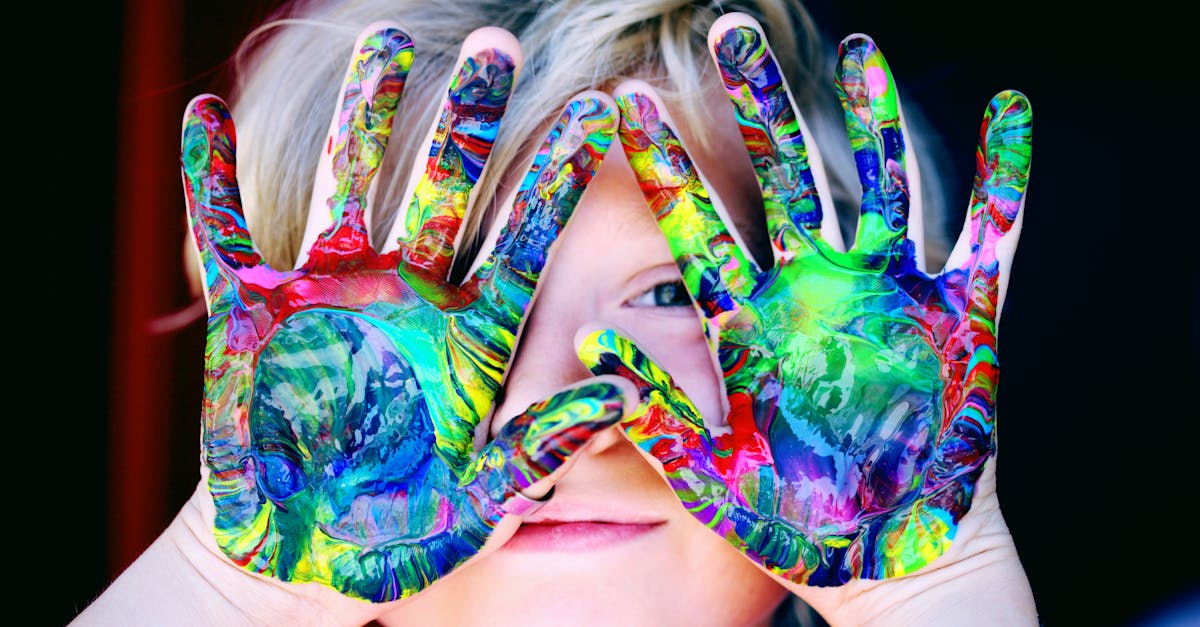
L’Atelier des Petits
or Cahier des Rêves to stimulate the imagination. What are the long-term benefits of a creative education? > Improved cognitive skills, increased self-confidence, problem-solving abilities, and increased open-mindedness.
- How can families be involved in this process?
- > Through joint workshops, regular meetings, and by promoting creativity at home through digital tools or artistic activities.
- What digital tools foster children’s creativity? > Educational apps, drawing software, video editing, or collaborative platforms such as those offered by Fujifilm
- or
- Lumix . What do experts see as the future of creative pedagogy? > Ever-greater integration throughout the education system, with teacher training, digital projects, and close collaboration with the cultural and technological worlds.Source:
www.ouest-france.fr