In the captivating world of photography, choosing the right settings is an art in itself. Among the many tools available to photographers, manual mode stands out for its promise of total control. But is it truly essential for professional photographers? This question sparks heated debate. On the one hand, ardent defenders of manual mode argue that it allows for creativity and mastery of every technical aspect of shooting. On the other, many professionals favor the flexibility and adaptability provided by semi-automatic modes, essential in an environment where light and conditions change rapidly. Let’s explore the perspectives on this fundamental choice in photography. Photography is an art that relies on the subtle interplay between technique and creativity. Among the many tools available to photographers, manual mode is often highlighted as essential, even vital, to excel in this field. In this article, we’ll explore why manual mode can be considered essential, while also considering the various modes available that allow for creative flexibility depending on the circumstances. Manual Mode: What is it? Manual mode, often referred to as the letter Mon cameras, gives photographers complete control over all shooting parameters. This includes ISO, aperture, and shutter speed. Using this mode, the photographer can adjust every aspect of exposure to their specific needs, allowing for customization that isn’t always possible with automatic or semi-automatic modes. Why Choose Manual Mode? Opting for manual mode allows you to achieve an unrivaled level of precision and creativity. This mode is particularly beneficial in shooting contexts where light is both difficult to manage and changeable, such as when photographing landscapes at sunrise or in managed studio environments. Manual mode allows photographers to tailor each setting, which is essential for achieving the desired effect and capturing details that may otherwise be lost. When to Use Manual Mode? Although manual mode is a powerful tool, it is not always necessary. For example, for events where light fluctuates quickly, such as a wedding, it might make more sense to use semi-automatic modes such as aperture priority or shutter priority. These modes allow photographers to adapt quickly while maintaining some creativity, balancing technical control and responsiveness. The Myth of Everything Manual There is a myth that a good photographer should always use manual mode. This belief can be misleading. The truth is that each photographer develops their own preferences based on their working style and the demands of each shoot. Sometimes automatic or semi-automatic modes can offer more suitable solutions, allowing you to optimize reaction time without sacrificing image quality.
Conclusion on Using Manual Mode Ultimately, while manual mode is a valuable tool in a professional photographer’s arsenal, it shouldn’t be considered the only option. The choice of mode depends on a variety of factors, including the situation, lighting conditions, and the photographer’s artistic goals. What truly matters is the ability to adapt techniques and use the right tool to achieve one’s creative vision. https://www.youtube.com/watch?v=jzjxWMV_Srw
LECTURE SUGGÉRÉE
The Significant Evolution of Photography in the Modern World
Since its infancy in the 19th century, photography has evolved to become one of the…
LIRE L'ARTICLEThe use of manual mode in photography sparks heated debate among professional photographers. While this mode offers complete control over camera settings, it doesn’t always translate to better image quality. Therefore, it’s essential to explore the role manual mode plays in a photographer’s journey, as well as the contexts in which mastering it becomes crucial. The Power of Manual Mode
Manual mode, often referred to as M mode, allows photographers to take control of exposure, aperture, ISO, and shutter speed. In constant light conditions, such as in a studio, this mode is perfect for achieving precise results tailored to specific artistic needs. By exploring this mode, photographers can develop a deep understanding of the technical elements that influence each shot. Strategic Use of Other Modes While manual mode is powerful, many professionals choose to use semi-automatic modes, such as aperture priority or shutter priority.
, during dynamic shooting situations. These modes allow for rapid adjustment of settings without losing precious fractions of a second, a critical factor when capturing outdoor events or moving subjects. These different modes act as flexible tools in a photographer’s arsenal, allowing them to adapt settings to changing conditions.
Professional Photographers’ Practices
Many professional photographers share a shared experience that illustrates the value of manual mode while recognizing the importance of an integrated approach. For example, manual mode is often preferred for contemplative landscapes, while modes like Aperture Priority are intended for portraits, offering background blur as a key component. This ability to switch between modes as the scene demands is a testament to the photographers’ flexibility and adaptability.
Developing a Creative Vision
Exploring Photo Metadata: What You Need to Know
Photographic metadata represents a fascinating world, often overlooked by photographers. This information, embedded in each image, provides crucial details about…
CONTINUER LA LECTUREThrough the use of manual mode and other modes, photographers refine their artistry. By learning to perceive the scene before even pressing the shutter, they improve their ability to capture memorable images. This insight isn’t limited to technique, but extends to storytelling and visual expression. Photographers who master various modes are able to realize their creativity in a variety of contexts.
Manual Mode: One Tool Among Others
In short, while manual mode is a valuable tool for photographers, its use isn’t always imperative. Professional photographers seamlessly navigate between different modes, choosing the one that best meets the demands of each situation. By viewing this approach as a balance between technical control and creative expression, they manage to masterfully capture the moment, whatever the circumstances.
In the world of photography, mastering different shooting modes can make all the difference. Manual mode, often considered the ultimate expression of skill, allows precise control over aperture, shutter speed, and ISO. Yet the question arises: is it truly essential for professional photographers? This article explores the benefits and situations in which this mode becomes essential, while highlighting the importance of flexibility in choosing shooting modes.
Manual mode is the gateway to total control over every aspect of the image. When a photographer chooses this mode, they can adjust the aperture to influence depth of field or adjust the shutter speed to capture dynamic movement. In a studio setting, where lighting conditions are controlled, this mode allows for precise and carefully crafted images. The expertise gained from this mode is also key to achieving special visual effects, such as long exposures, where soft focus is skillfully used.
Essential Flexibility in Changing Conditions
However, photography isn’t limited to controlled environments. In the presence of changing light, professional photographers must be able to adapt quickly. Switch to mode Aperture Priorityor
Shutter Priority
mode allows you to balance creativity with efficiency. For example, aperture priority mode is often preferred for portraits, where isolating the subject through background blur can have a profound impact on the emotion captured. Similarly, in action photography, shutter priority mode allows you to freeze movement with remarkable precision. Mistakes to Avoid with Manual Mode Despite its many advantages, manual mode is not without its pitfalls. Beginner photographers, in particular, can encounter frustrating exposure errors if they don’t take into account the changing light around them. It’s crucial to remember that a good photographer must not simply rely on this mode, but know when to use the other available options. When speed and responsiveness are essential, semi-automatic modes are often more appropriate. The Importance of Practice and Experimentation Developing fluency in manual mode requires practice. Taking the time to experiment in various photographic environments helps you understand how adjusting settings influences the final result. Simple exercises, such as capturing the same scene under different settings, can provide invaluable insight into the relationship between light, the amount of light captured, and creative elements in the composition. It is this experience that allows photographers to progress, whether shooting in manual mode or using other modes.Conclusion: A Tool in a Toolbox
Ultimately, manual mode is an excellent tool in a professional photographer’s arsenal, but it’s not the only one. Each mode has its place depending on the context and subject, and knowing when to use the right mode can make all the difference between an ordinary photo and an extraordinary one. The key is to remain flexible and creative, adapting your approach to the specific requirements of each shot.
Discover the essential tips for mastering manual mode in photography. Learn how to adjust aperture, shutter speed, and ISO to capture perfect images, while developing your creativity and personal style. In the vast world of photography, manual mode stands out as a multifaceted tool, often considered the true hallmark of expertise for professional photographers. This mode allows absolute control over all camera settings: shutter speed, aperture, ISO, and white balance. It’s particularly valuable when shooting in studios or in challenging lighting conditions, where every adjustment can transform an ordinary shot into a masterpiece. However, the question remains: is it really essential? Some photographers, seeking spontaneity and speed, turn to semi-automatic modes, which offer flexibility without sacrificing quality. However, this doesn’t diminish the importance of manual mode. At the end of the day, it’s a matter of artistic vision. Mastering manual mode allows photographers to explore advanced techniques and unleash their creativity, transforming a simple photo into a true work of art.
In short, manual mode may seem demanding, but it remains an invaluable ally for anyone aspiring to a deeper understanding of photography, marking the difference between an amateur and a seasoned professional.
Many photographers wonder about the importance of manual mode in their practice. While this mode is often associated with total control over camera settings, there are several other modes that can also be used effectively depending on the situation. This article explores the benefits and contexts where manual mode demonstrates its true value for professional photographers.
Manual Mode: Absolute Control
With manual mode, the photographer takes control of every single camera setting: aperture, shutter speed, and ISO. This allows for precise exposure, especially in settings requiring meticulous control, such as in a studio or when shooting landscapes by moonlight. In these situations, the photographer must ensure that every detail is captured as intended. Manual Mode in Practice: Why and When to Use It
The real challenge with manual mode lies in adapting to lighting conditions. Photographers must learn to assess the lighting and adjust their exposure accordingly. For example, in a bright light paradigm, using an ND filter or adjusting the shutter speed appropriately can prevent overexposure. In low light conditions, however, manual mode allows you to open the lens and lengthen the exposure time to capture maximum light.
Alternatives to Manual Mode
Despite the advantages of manual mode, it is essential to consider other options.Aperture Priority and Shutter Priority modes also offer a good level of control while allowing the camera to handle real-time adjustments. Aperture priority mode is particularly popular for portraits, as it allows for depth of field control, while shutter priority is essential when capturing dynamic action, such as sporting events where time is crucial.Mastering Manual Mode: A Time Investment
Mastering manual mode may seem intimidating, but professional photographers often consider it a wise investment of time. Once this skill is acquired, it opens up a wide range of creative possibilities, allowing the photographer to fully express themselves. This requires not only practice but also an understanding of the fundamental principles of photography and scene assessment. Conclusion: Manual Mode as a Tool of Expression
Finally, while manual mode is a powerful tool for photographers wishing to refine their technique and explore their creativity, it should not be considered the only way to achieve quality images. Each photographer must evaluate their specific needs, finding a balance between control and efficiency, using modes that maximize their creative potential and their ability to capture authentic moments. https://www.tiktok.com/@jerome_palle_photographe/video/7127981939125964038 Discover the art of manual mode photography: master your camera, control exposure, aperture, and shutter speed to capture stunning images. Unleash your creativity and learn to compose your photos like a professional. Total Control: Allows you to adjust ISO, aperture, and shutter speed as needed. Optimal Creativity:Offers the ability to create specific artistic effects.
Adaptability:
Useful in complex lighting situations, such as in a studio. Deep Learning: Promotes understanding of the technical aspects of photography.
Limitations:
Less practical in changing light, can lead to a lack of responsiveness.
Alternative Modes:
Other modes (aperture priority, shutter priority) offer flexibility in varying conditions.

First and foremost, it is undeniable that manual mode offers
total control
over exposure. This mastery allows you to precisely adjust parameters such as shutter speed, aperture, and ISO sensitivity according to the requirements of the scene being photographed. This is particularly advantageous in difficult lighting situations or for specific techniques like long exposures. However, mastering this mode takes time and practice, and not all professionals use it consistently.
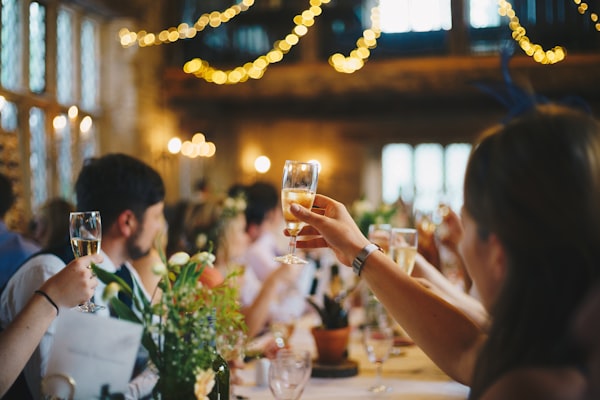
Many photographers find that semi-automatic modes, such as Aperture Priority or Shutter Priority, offer a perfect balance between creative control and speed. These modes allow artists to focus more on composition and the moment, without worrying about manually adjusting every parameter. They also adapt more easily to rapidly changing light, which can be crucial during events such as weddings or outdoor shoots.
All in all, manual mode is a great tool for photographers looking to refine their technique and explore creative effects. However, it is not the only option. Each photographer must find their own balance and develop a palette of shooting styles adapted to the situations they encounter. The main thing is always to obtain the desired image, whether it is achieved in manual mode or using a semi-automatic mode. In the dynamic world of professional photography, flexibility and adaptability are valuable assets.
FAQ: Is Manual Mode Essential for Professional Photographers? What is manual mode in photography?Manual mode provides full control over camera settings, such as ISO, aperture, and shutter speed. Manual mode provides full control over camera settings, such as ISO, aperture, and shutter speed. Why is manual mode considered essential by some photographers? It offers full control over exposure and is ideal for stable light conditions, allowing maximum precision in settings to be achieved. It offers full control over exposure and is ideal for stable light conditions, allowing maximum precision in settings to be achieved.
When is it best to use manual mode?
In studio or fixed light conditions, or when specific effects are needed. In studio or fixed light conditions, or when specific effects are needed. Is manual mode always the best choice for every type of photography?
No, each mode has its advantages depending on the situation, and sometimes it is better to opt for a semi-automatic mode.
No, each mode has its advantages depending on the situation, and sometimes it’s better to opt for a semi-automatic mode. Is aperture priority mode similar to manual mode? This mode allows you to select the aperture, while the camera automatically adjusts the shutter speed for correct exposure. This mode allows you to select the aperture, while the camera automatically adjusts the shutter speed for correct exposure. What types of photographers primarily use manual mode?
It’s often used by landscape, portrait, and long exposure photographers who want precise control over each parameter.
It’s often used by landscape, portrait, and long exposure photographers who want precise control over each parameter. Is mastering manual mode necessary to be a good photographer? While it’s an advantage, it’s also important to know how to use other modes depending on the conditions and the type of photography you want to achieve. While this is an advantage, it’s also important to know how to use other modes depending on the conditions and the type of photography you want. Does automatic mode still have a place in professional photography? Rarely, but it can be used in situations where you need to quickly capture images without worrying about settings.
Rarely, but it can be used in situations where you need to quickly capture images without worrying about settings.
What are the advantages of manual mode over other modes?

- Is Manual mode difficult for beginners to use? It may seem complex at first, but with practice and a good understanding of the settings, it becomes more accessible and rewarding.
- It may seem complex at first, but with practice and a good understanding of the settings, it becomes more accessible and rewarding. Manual mode allows full control over camera settings, such as ISO, aperture, and shutter speed.
- It offers complete control over exposure and is ideal for stable lighting conditions, allowing for maximum precision in settings. In studio or fixed lighting conditions, or when specific effects are required.
- No, each mode has its advantages depending on the situation, and sometimes it is better to opt for a semi-automatic mode. This mode allows you to select the aperture, while the camera automatically adjusts the shutter speed for correct exposure. It’s often used by landscape, portrait, and long exposure photographers who want precise control over every parameter.
- While this is an asset, it’s also important to know how to use other modes depending on the conditions and the type of photography you’re aiming for. It’s rarely used, but it can be used in situations where you need to capture images quickly without worrying about settings.
- It allows complete control over all parameters, providing maximum flexibility for the desired photographic effects. It may seem complex at first, but with practice and a good understanding of the settings, it becomes more accessible and rewarding.