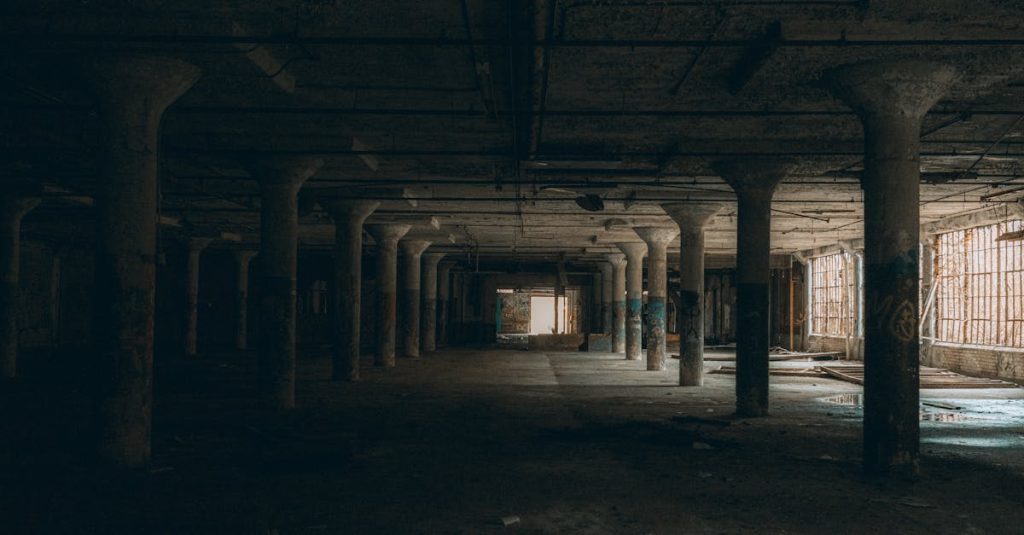
Throughout European landscapes, Emmanuel, an urban explorer and passionate photographer, identifies these forgotten places that time has left untouched. His artistic legacy is based on a singular approach: revealing the hidden beauty of abandoned places by infusing them with a mysterious visual poetry. Between antifragile ruins and treasures of abandonment, he travels more than 9,000 km in an obsessive quest for art and history. His journey, between secrets of abandonment and urban shadows, illustrates a true art of living: that of transforming the unusual into a sublime work, between exploration and creation. In this universe where past and present merge, Emmanuel embodies the Unusual Explorer, aiming to pay homage to these forgotten paths that tell our collective story. Almost like an alchemist of the image, each site becomes a field of aesthetic experimentation, an invitation to contemplation and discovery. His itinerary and philosophy unfold like an artistic odyssey in search of unexpected treasures across Europe, combining urban exploration with a deep respect for these ghostly places. It’s time to dive into the heart of this fascinating adventure, which marks an extraordinary journey into the mysterious world of urbex.
The origins and soul of Emmanuel, master of the hidden art of Urbex
Since his early years in the Lot region, Emmanuel Tecles has been captivated by the complexity and fascination of the Baroque universe, as well as by the narrative hidden within abandoned places. His passion for urbex is part of an approach that goes far beyond simple exploration: it is a quest for meaning and beauty in the invisible. He quickly distinguished himself with his unique perspective, capable of seeing beyond the apparent decay to decode the secret history of ruined structures. His love for artistic photography, combined with a strong dose of investigation, allows him to maintain a close connection with these “secrets of abandonment,” which he immortalizes with both camera and drone. Emmanuel’s approach is fundamentally imbued with a respect for these witnesses of the past that one might think are lifeless, but which he transforms into true works of art. Each subject becomes an opportunity to tell a story, to explore collective memory while revealing unexpected treasures. His approach, at the intersection of photographic art and historical research, evokes the gaze of an urban explorer with an artistic mission: to bring these ghostly places to life. In this way, his work reflects a vision of the world between realism and the picturesque, where each image becomes an unshakeable symbol of our invisible heritage.

LECTURE SUGGÉRÉE
Discovering the Islands of Desire (3/4): the archipelago of the third sex, through the lens of Richard Pak
Summary Introduction: The Emergence of a New Perspective on Island Diversity The photographic project entitled…
LIRE L'ARTICLE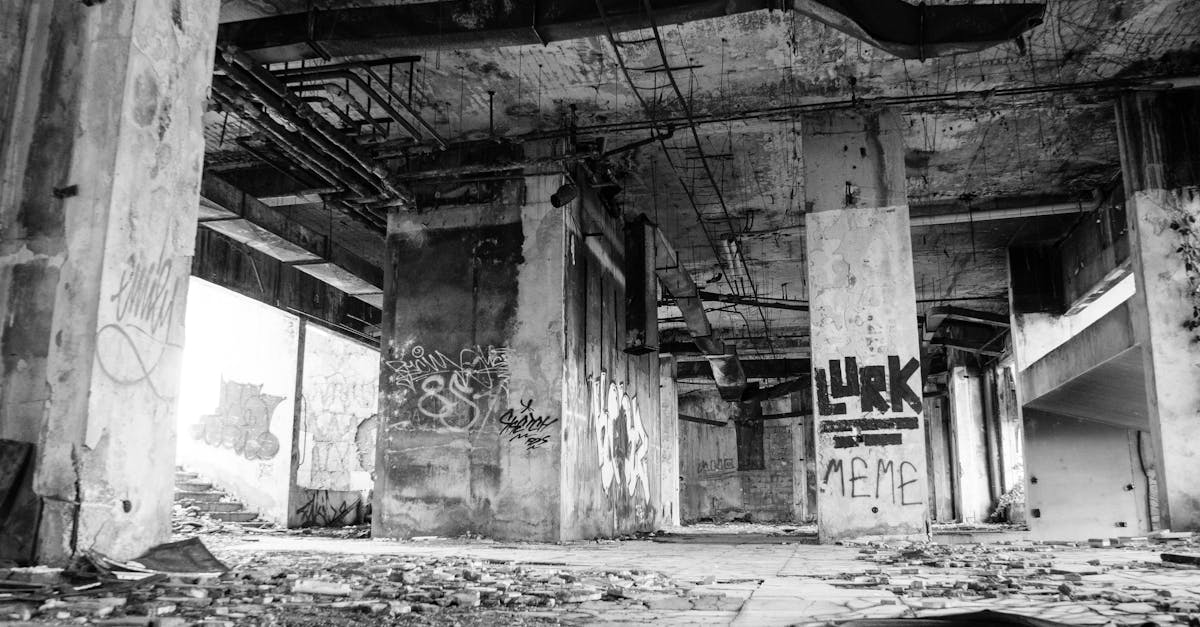
The Unusual Journey: 9,000 km to reveal the unusual in Europe
Emmanuel’s journey begins at the Croatian border, a symbolic starting point for a trip that will defy distance and time. His goal: to capture the unsuspected beauty of abandoned places, which he himself describes as “unexpected treasures.” The journey spans all the forgotten paths, from Albania to Greece, via Bulgaria and Serbia, until reaching Italy. A journey of nearly 9,000 km, undertaken with his best ally, his trusty camera and a drone to scrape these sites in their most impressive rendering. His approach is not simply to take photographs, but to conduct a thorough investigation, combining documentary research and on-site reconnaissance. The ultimate goal is to add an artistic dimension to each image—in the manner of urban explor’art, where each ruin becomes a living tableau. Emmanuel likes to emphasize that his explorations are a kind of journey through time, where each place tells its own story, often in mysterious solitude. The beauty of his approach lies in this ability to capture the “unpredictable present” through the lens, making each monument a unique work of art. The intimate relationship he establishes with these sites, sometimes fully immersed, demonstrates a deep respect for their secret pasts, which appear as places both false and real, oscillating between urban shadows and vibrant light. With this journey, Emmanuel seeks not simply the immediate, but the perpetuation of a memory in images, which serves to enrich our invisible heritage.
Exploration and creation: how Emmanuel shapes art from ghost places
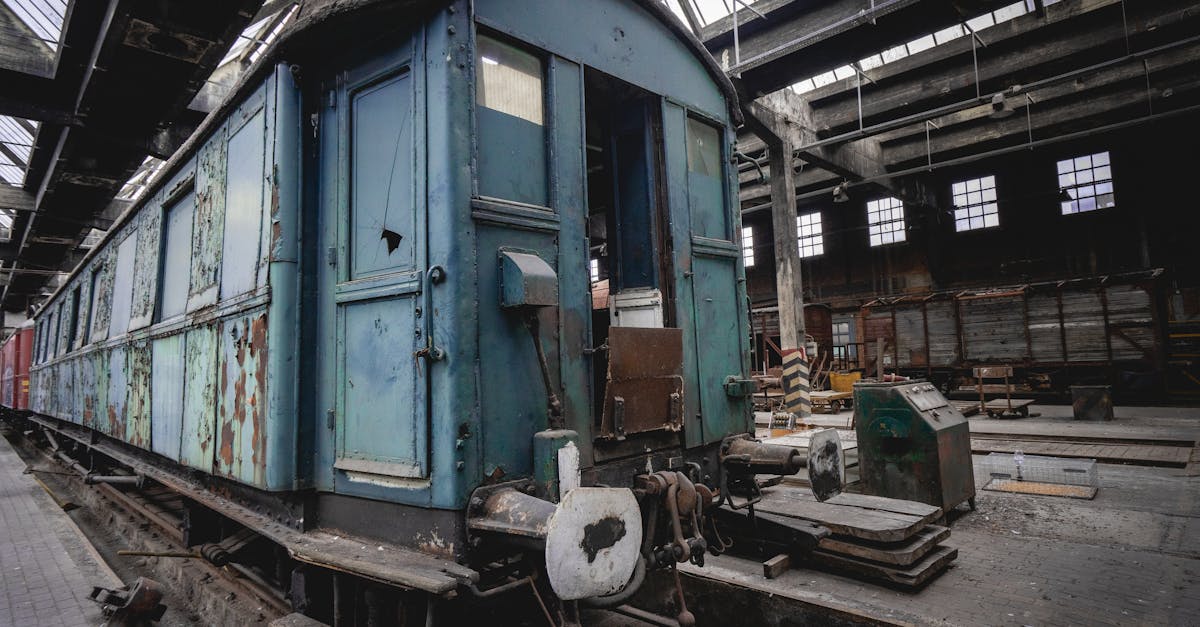
What sets Emmanuel apart from countless urbex enthusiasts is his ability to transcend the simple documentary to transform each site into a work of art in its own right. His masterful and intuitive technique involves playing with light and perspectives, and often incorporating models to re-humanize these spaces. Each shot then becomes a visual narrative, where we perceive the weight of the past while being invited to an aesthetic contemplation. By using subtle lighting and bold angles, he reveals the fragile beauty of these places often abandoned by time. A striking example is this incredible wreck photographed in Greece, whose metallic structure, patinated by the years, is sublimated by soft and mysterious lighting. Emmanuel does not hesitate to use modern techniques such as shooting from drones, which allows him to capture the entirety of the sites, from their summit or their subsoil, giving them an almost grandiose dimension. Throughout his explorations, he developed a truly personal style, which could be described as “Urbex Hidden Art,” where artistic research takes precedence over the purely documentary aspect. The approach also includes a narrative aspect, where he sometimes adds models dressed in period costumes or modern clothing to tell a story. This personal touch allows him to transform each site into a mythological scene or a slice of forgotten life. For example, his images of abandoned theaters, cast in cinematic lighting, illustrate this fusion of past and modernity. To grasp the full richness of his work, one can consult his books or his exhibitions which bear witness to a delicate art, where each place becomes a work of art in its own right.
Secrets of Abandonment: Exploring to Better Reveal the Unusual Explorer
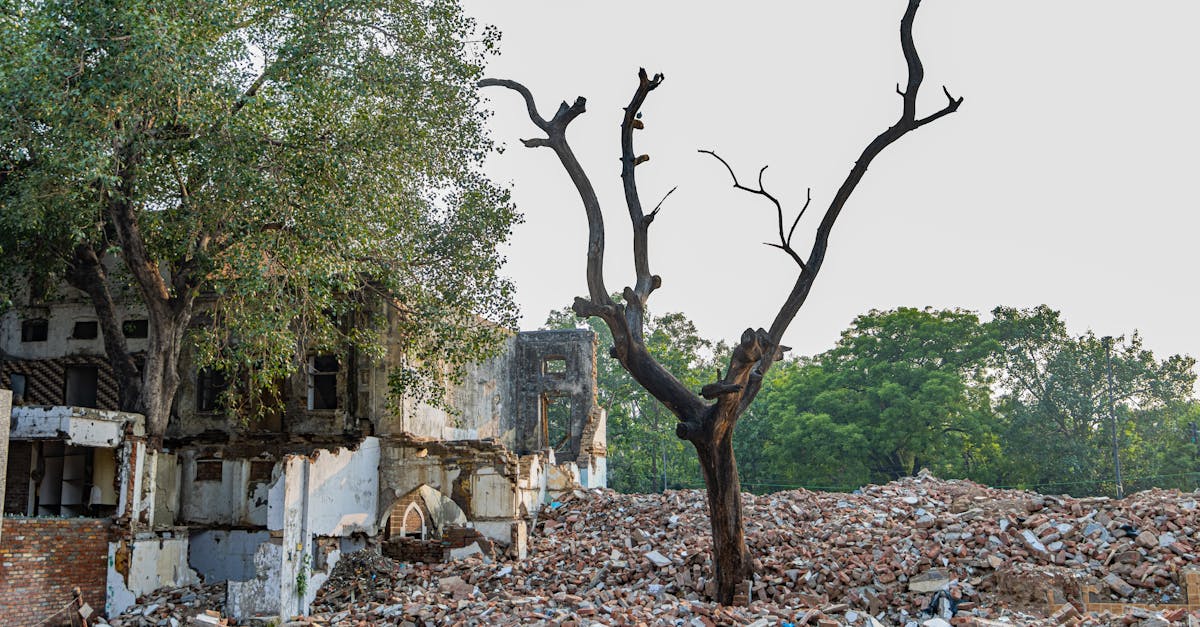
The sites Emmanuel chooses are often far from the usual tourist trails. Their plunge into oblivion gives them a mysterious, almost sacred aura. Through his explorations, he seeks to uncover these secrets of abandonment that often remain invisible to the general public. These places, sometimes abandoned factories, desolate hospitals, or derelict military buildings, carry within them a particular history, an imprint of nostalgia and hope. Their exploration requires rigorous investigation: studying plans, consulting historical archives, scouting by drone, or reconnaissance on foot. He often insists on respecting these sites: their degradation is part of their charm, but their destruction could annihilate everything. His approach is to immortalize rather than destroy or devastate. Photography then becomes an act of preservation, a way of opening to the public treasures that one might believe unreal or inaccessible. The approach is also ethical, part of a desire to raise awareness about the preservation of abandoned heritage. Emmanuel is not simply an explorer of disused sites, but also a contributor to collective memory, between urban shadows and light. Not only does his approach contribute to the enhancement of these hidden treasures, but it also serves to awaken awareness of the environment and the need to preserve these vestiges for future generations.
Andreas Gursky’s return to Montparnasse, twenty-two years after his remarkable visit
The world of contemporary art is welcoming an exceptional event: Andreas Gursky’s return to Montparnasse, more than two decades after…
CONTINUER LA LECTUREThe works, books, and legacy of a craftsman of the unusual
Emmanuel’s images are not limited to a simple digital frame: they are also a heritage in their own right. His website tekprod-photographies-urbex.com becomes a veritable treasure trove of emotions, where each collection tells a different facet of his world. Furthermore, his works will soon be brought together in a new book, a beautiful 220-page book that transfigures these places through a solid narrative and refined aesthetic. The publication of these works, scheduled for a year from now, bears witness to the artistic commitment of this urban explorer, who wishes to leave behind a colossal body of work, at the crossroads of photography and literature. At the same time, several exhibitions are scheduled for 2025, notably in Cahors and Muret, to offer the public a total immersion in his world. These cultural events allow Emmanuel to showcase his approach as a craftsman of the unusual. His use of drones also constitutes a “third eye,” offering new perspectives and striking images. Using this technology, he captures the grandeur or intimacy of these sites, highlighting their mysterious and precious character. His quest is that of an urban art explorer who aims to preserve, reveal, and share the beauty of these untold treasures, while inviting everyone to contemplate the past and embrace the sensitivity of hidden Urbex art.
FAQ: Discover the world of Emmanuel, Urbex explorer and creator of hidden art
How does Emmanuel choose his Urbex sites? He combines online research, historical reading, and on-site reconnaissance using his drone to identify fascinating and respected places.
What are his favorite photography tools? His equipment prioritizes high-precision capture, notably using professional cameras and drones for unique perspectives.
How does Emmanuel ensure the conservation of these sites? His approach emphasizes respect for the sites, their symbolic preservation, and the enhancement of their invisible heritage.
Is there a particular artistic approach to his images? Yes, Emmanuel plays with light and angles, and sometimes incorporates models to tell a story, transforming the urbex into a mythological or poetic scene.
Where can you see his works? On his website, at exhibitions in Cahors and Muret, or in his upcoming books, where his images take on their full artistic dimension.
Source: www.ladepeche.fr