A marathon of observation: Nicolas Groffal, doctor and wildlife photographer, shares his experience of a nine-hour hide in the wilderness
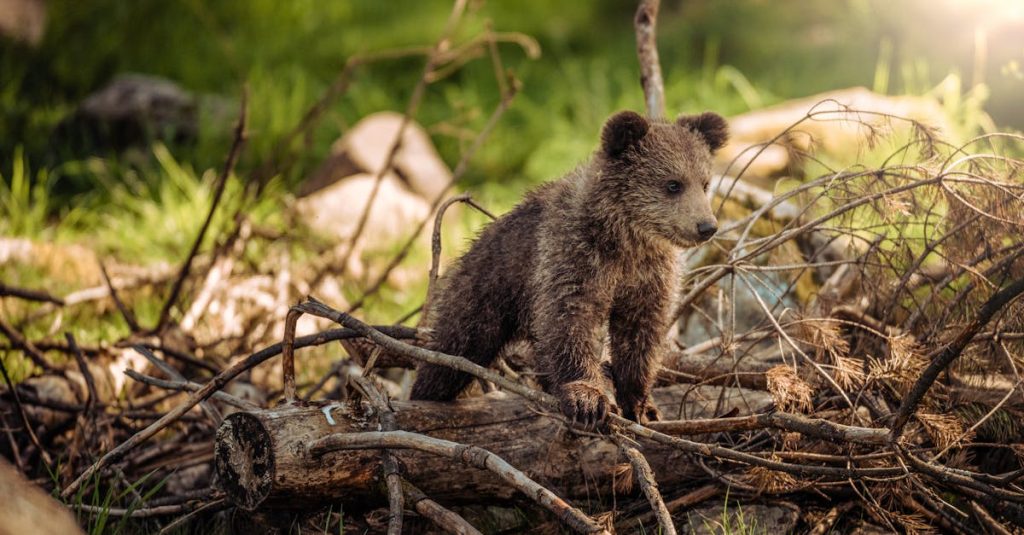
In the heart of the French countryside in 2025, Nicolas Groffal, both a general practitioner and avid wildlife photographer, achieved one of his most remarkable feats: a marathon hide that lasted nearly nine hours at a site in Haute-Saône. His experience illustrates patience, precision, and unconditional love for wildlife. In this article, he reveals the behind-the-scenes of this long immersion, the technical skills, captivating anecdotes, and the spirit of observation required by this totally immersive discipline. The fusion of his profession as a doctor, where discipline and endurance are essential, and his passion for photography contributes to making this adventure an inspiring example for all nature enthusiasts. The need to respect the environment while capturing unique images becomes evident here, as does the almost sacrificial dimension of the hide, which requires extraordinary physical and mental endurance. Passion, patience, and respect for wild animals combine in this extraordinary experience, worth exploring in detail.
Behind the scenes of a marathon hide: technique and preparation for a long immersion
Succeeding in such a long hide requires rigorous preparation, combining technical skill and endurance. Nicolas Groffal, who juggles his medical activities with his passion for photography, has devised a meticulous strategy to optimize his nine hours in the presence of wildlife. The first step is to choose an observation site rich in biodiversity, often a little-visited area, in an environment that also offers the advantage of being easily accessible and quiet. Selecting a good location is crucial, allowing perfect visibility while remaining discreet, so as not to frighten the animals.
LECTURE SUGGÉRÉE
Labouheyre: a captivating exhibition from two perspectives at the Maison de la Photographie
Labouheyre’s cultural landscape will be enriched in 2025 with a must-see artistic event: an exhibition…
LIRE L'ARTICLENext, the equipment must be suitable: a high-performance, lightweight telephoto lens, waterproof camouflage clothing, and equipment to support the body during this long period. Nicolas opts for glacier boots, an essential rule for dealing with various weather conditions, and a folding seat to limit fatigue. Mental preparation is also important: you must accept immobility, control your heart rate, and develop exemplary patience. By incorporating a meticulous observation routine, he manages to capture fleeting moments that few amateurs can hope to capture. Mastering these elements, coupled with a deep knowledge of animal behavior, is the key to an exceptional hide.
| Key Elements for a Successful Marathon Hide | Description |
|---|---|
| Site Selection | Area rich in wildlife, uncrowded, discreet, and accessible |
| Suitable Equipment | Camouflage, lightweight telephoto lenses, comfortable seating, waterproof clothing |
| Mental Preparation | Endurance, patience, mastery of silence and stillness |
| Observation Routine | Hours spent studying animal behavior, anticipating their passage |
The practical challenges of an extended hide: physical and mental endurance
Faced with such immersion, obstacles abound. On his nine-hour hide, Nicolas Groffal must contend with often insidious physical fatigue, linked to maintaining static positions and prolonged immobility. He describes this state of “pins and needles” and leg cramps, but also the need for unwavering concentration. The slightest distraction or weariness could scare the animal away or compromise the quality of the photo.
The weather can also play a decisive role: sudden rain, wind, or extreme temperatures become adversaries to be avoided. Managing comfort then becomes a strategic aspect of the hide, incorporating, for example, a waterproof jacket or short breaks to rest the body without breaking concealment.
This type of exercise requires constant discipline, a grounding in patience, and an acceptance of the unknown. And if physical endurance is a challenge, mental resilience is just as much: staying focused for several hours, maintaining inner calm in the face of waiting or impatience is a test that builds character and refines the observer’s eye.
The world of photography in mourning: death of Francis Giacobetti, artist and director
French photography mourns the passing of one of its great masters, Francis Giacobetti, who leaves behind a colossal body of…
CONTINUER LA LECTURE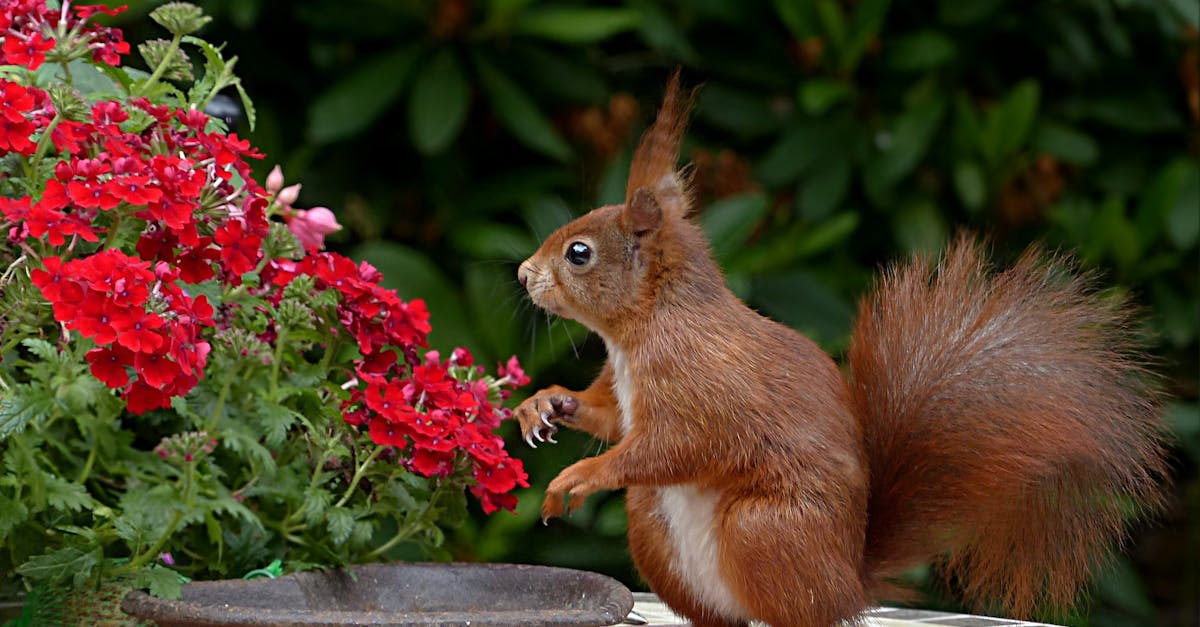
Unexpected encounters and memorable anecdotes during a nine-hour hide
The long patience of a hide often pays off with unexpected encounters, which become precious memories for the photographer. Nicolas Groffal recounts how, during this marathon of observation, he saw a tit land on his lens, a moment of pure poetry that allowed him to capture a rare shot, blending nature and spontaneity. Sometimes, an unexpected event disrupts the apparent calm: a badger, intrigued by his presence, stepped on his leg, or a curious squirrel perched on his right shoe, observing the world with a keen eye.
These more or less comical incidents underscore the importance of remaining relaxed and adopting an active listening posture. Patience here becomes a reward, as every moment of inattention or stress could cause the wildlife to escape or ruin all the effort invested. These anecdotes fuel Nicolas’s passion, who sees in these fleeting interactions a reflection of the fragile dynamic between humans and wild animals. Discover the art of wildlife photography: tips, techniques, and inspiration for capturing wildlife in its natural habitat. Explore our tips for capturing unforgettable photos!
More than just a hobby, wildlife photography is a true philosophy of respect and profound observation of nature. Nicolas Groffal, a man trained as a doctor, emphasizes the ethic of minimal contact, without intrusion or disturbance. He favors patience as an artistic approach, letting nature take its course, photographing without interference, to capture these fleeting but precious moments of life.
Respect the animal’s biological schedule
- Minimize noise and environmental impact
- Use discreet equipment to avoid disturbing wildlife
- Adopting the attitude of an attentive and silent observer
- This deep respect for wildlife is also reflected in his many accolades, such as the silver medal he won at the famous
Montier-en-Der Festival , a must-see for all wildlife photography enthusiasts. The quest for the perfect image is not only a technical challenge, but above all a tribute to the spontaneity and raw beauty of nature.Techniques for mastering wildlife photography in a distant and discreet context
To capture these rare moments, the photographer must master a range of techniques. Equipment stability is essential, starting with a sturdy tripod or monopod to limit any shaking during long stalking sessions. Then, precise camera settings—aperture, shutter speed, and ISO—allow for optimal capture in difficult conditions, often in low or changing light. UV or polarizing filters to reduce glare
Remote or silent shutter releases
- Editing software to reveal subtle details in photos
- Nature, although unpredictable, reveals its secrets to those who wait and respect its rhythm. Photography then becomes an act of humility before the indomitable forces of biodiversity.
- Major wildlife photography events in 2025: competitions, exhibitions, and festivals
For several years, the French scene has hosted a wide range of events dedicated to wildlife photography. In 2025, these gatherings take on even greater importance, allowing artists, both amateurs and professionals, to share their passion and talent. The
Wild Nature Competition Winners
provide an example: new prizes, new creations, and the spotlight on innovative techniques. Among these events, the Montier-en-Der festival remains one of the most popular, with its varied exhibitions, advanced workshops, and meetings with renowned photographers like Nicolas Groffal, who is often invited to present his work and share tips, particularly on Phototrend
. These moments of exchange nourish the community as much as they strengthen the bond between humans and wild animals. Current Trends in Wildlife Photography in 2025Technological innovations play a major role in this evolution. Artificial intelligence, for example, now makes it possible to improve sharpness or automate the detection of animals in a photo. Wildlife photography is also moving towards a more ethical approach, favoring passive observation and reduced impact. A strong trend is also emerging towards micro-photography, capturing subtle details of the ecosystem, such as the observation of insects or microhabitats. This diversity of styles, combined with a large community of enthusiasts, is helping to make 2025 the year when the passion for nature and photography intensifies.
Main areas of focus for wildlife photography in 2025
Impact on the practice and the community
| Innovative technologies (AI, drones, sensors) | Greater precision, less intrusion, better capturing the moment |
|---|---|
| Ethical and responsible approach | Creates greater respect for wildlife, less negative impact |
| Micro-photography and macro-fauna | New discoveries and new genres of photography |
| Strengthened community sharing | Digital platforms, collaborative exhibitions, international competitions |
| FAQ: Patience and technique, the keys to success in wildlife photography | How long does it take to wait for an exceptional moment in the wild? |
The duration varies depending on the species and location. Nicolas Groffal often waited several hours to capture a precise movement, illustrating that patience and preparation are fundamental ingredients.
What equipment is essential for a long-term hide? Lightweight, high-performance equipment, such as a stabilized telephoto lens, a comfortable seat, discreet, waterproof clothing, and a sturdy support. Modern technology also makes it possible to automate certain triggers to optimize observation time.
How can you best respect wildlife during a long-term hide? By avoiding all noise, remaining still, and avoiding any disturbance of the natural habitat. Patience and discretion are the key to preserving the integrity of the ecosystem and enjoying authentic images.
Can a long-term hide be used for anything other than photography? Absolutely. It promotes understanding of animal behavior, raises awareness of biodiversity, and develops a respectful connection with nature. These experiences also enrich the practice of observation, which fuels artistic creativity.
Source: www.lemonde.fr