
The 1920s represent a pivotal period in the history of photography, where experimentation and the zeal to push technical and aesthetic boundaries left an indelible legacy. In a context marked by reconstruction, the rise of the artistic avant-garde, and a constant desire for renewal, this decade saw the emergence of a movement that broke free from classical conventions to favor subjectivity, innovation, and abstraction. Experimental photography, often divided into several currents, emerged as a laboratory for new techniques, revealing a vision of the world somewhere between realism and abstraction, sometimes even dystopia. In this dynamic context, the movement drew as much from technical discoveries as from artistic ferment, offering a fresh perspective on society, the urban or intimate landscape, while challenging the very notions of image and representation. Nostalgia for this period is growing today, as digitalization is reconfiguring the art of photography and certain old techniques are being revived with renewed vigor. Experimental photography of the 1920s emerges as an essential foundation, a staple of the 20th century, where each photograph remains an enigma or a visual poem, to be explored and rediscovered to better understand our relationship with the image.
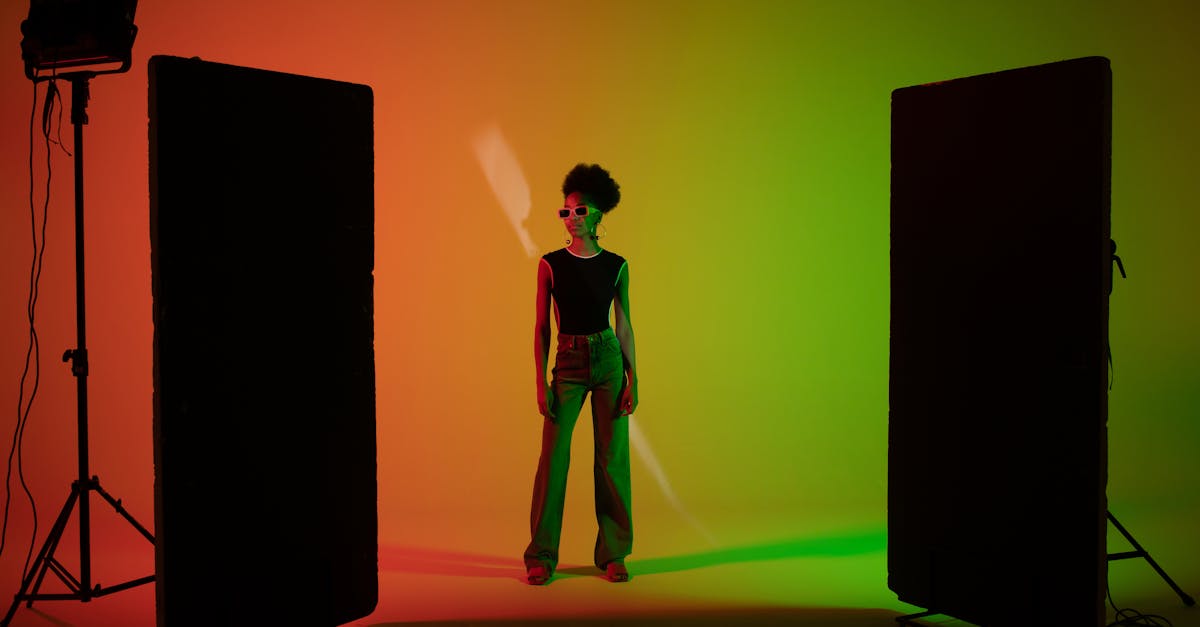
A passionate and influential biography: the key figures of experimental photography of the 1920s
At the heart of the visual revolution of the 1920s, several artists and photographers left behind a colossal body of work, forever marking the history of art with their audacity. Among them, Man Ray stands out as one of the most emblematic, not only for his experiments with light and negatives, but also for his ability to combine surrealism and photographic technique. His use of solarization or the rayogram, combining craftsmanship and innovation, offered a new way of understanding reality and perception. He was part of an international movement where, on the other side of the Atlantic, the Russian Alexander Rodchenko sought to renew photography by integrating bold angles, collages, and a geometric approach, challenging the hierarchy of subjects and classical perspective. Similarly, the German Hans Bellmer distinguished himself with his provocative and poetic photographs, mixing sub-reality and decomposing bodies, testifying to a dark but profoundly innovative perspective. These figures, while radical in their approach, share a common obsession: to go beyond simple documentation to achieve total artistic expression, blending artisanal techniques, optical illusions, and innovative devices. Their work is part of a tradition already begun by 19th-century experimental photography, but pushes it to its paroxysms, integrating new techniques and renewing the genre with a resolutely avant-garde perspective. The encounter between these artists, often remaining on the fringes of traditional commerce, today leaves behind a body of work as rich as it is mysterious, whose rediscovery continues to inspire numerous creators. To delve deeper into this connection to a diverse and abundant history, read the article on experimental photography Offers a fascinating immersion into this vibrant universe. Discover the fascinating world of experimental photography, where imagination and technique collide to push the boundaries of visual art. Explore innovative methods, plays of light, and unique compositions that transform reality into captivating works.

LECTURE SUGGÉRÉE
Evaluation of luminous properties
The evaluation of luminous properties is an essential field that measures and analyzes the behavior…
LIRE L'ARTICLE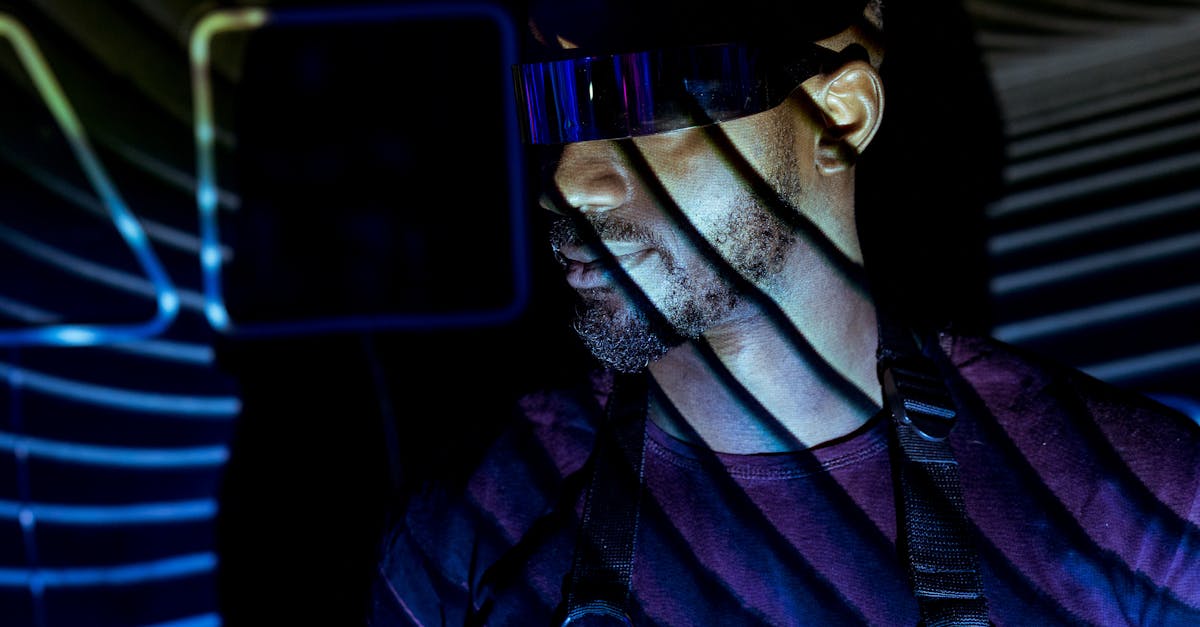
The 1920s, as much as a period of artistic liberation, constituted a veritable laboratory for alternative photographic processes. At this time, the quest to dematerialize the image joined that of playing with light and material, in order to create works that were at once mysterious, destabilizing, and poetic. Among these techniques, the use of the darkroom and manual cameras such as the Contax or the Leica favored a fine manipulation of forms and contrasts. The superimposition of layers, deformation through filters or strange objects, or even the technique of collage, appeared as so many ways to transform the image into a work of art in its own right. The practice of solarization, popularized in particular by Man Ray, consists of partially exposing an image during development, thus causing an inverted contrast where the bright areas become dark and vice versa. Shooting abstract views from distorted negatives, or even using shots from unusual angles, favoring the distortion of reality, contribute to making each photograph a new sensory experience. The use of innovative chemical processes, such as instax emulsion or the use of Ilford products for black and white, also makes it possible to obtain special effects, such as texture or accentuated depth. The practice of lomography, a minor but sensitive legacy of this period, also enters into this logic of chaotic and aesthetic experimentation, where spontaneity takes precedence over strict technique. The rediscovery of these processes, which some artisans still practice today, recalls how much the photographic material of this period possessed this capacity to reveal parallel worlds, whether with a medium format camera or through the window of a Polaroid, like the Fujifilm Instax. The site
Experimental photography offers a comprehensive overview of the techniques used at the time and their impact on contemporary creation. Technique
| Use | Visual effect | Solarization |
|---|---|---|
| Partial exposure during development | Inverted contrast, surreal effects | Collage |
| Assemblage of various images or materials | Fragmented, abstract, or poetic rendering | Chemical manipulation |
| Use of Ilford, Fuji, etc. products | Textures, depth, lighting effects | Optical distortion |
| Specific cameras or filters | Distorted shapes, dreamlike worlds | Lomography |
| Spontaneous, blurred captures, often using vintage cameras | Uncertainty, rustic aesthetic | Discover the captivating world of experimental photography, where innovation and creativity meet. Explore bold techniques and unique artistic approaches that transform each image into a unique work of art. Major Artists and Works: An Inspiration for Contemporary Creation |
Source:

Discovering the Secrets of Primary Colors: Photography and Painting in Synergy
Delving into the vibrant world of primary colors is a fascinating adventure that unites photography and painting. These two disciplines,…
CONTINUER LA LECTURE