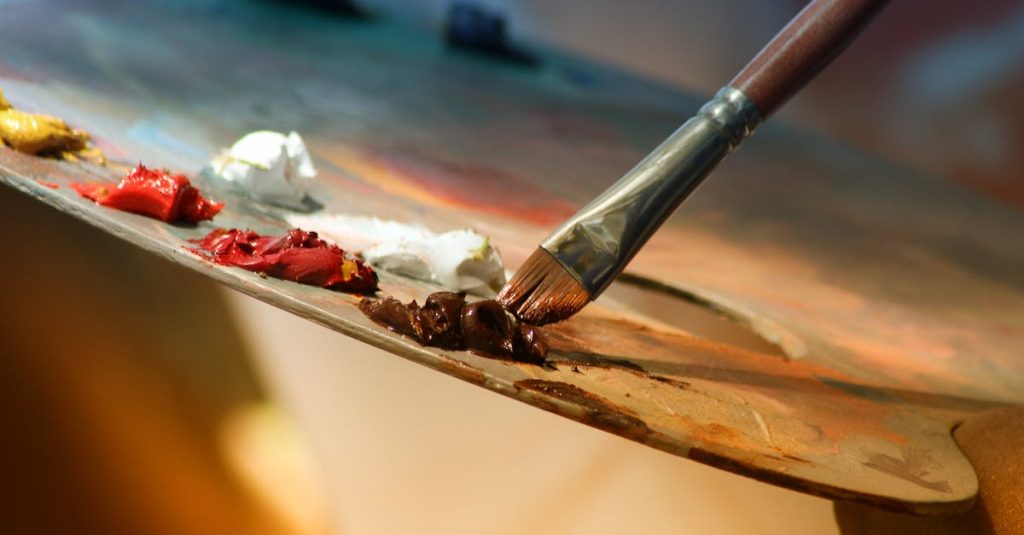
In the vast panorama of artistic history, painting occupies a privileged place as a silent witness to past eras, particularly when it comes to capturing Italian maritime life before the age of photography. At a time when collective memory was transmitted primarily through painting, this art proved an essential tool for immortalizing scenes of navigation, bustling ports, and the astonishing diversity of marine elements. Between tradition and emotion, artists paid homage to their vision of the world, oscillating between precise realism and picturesque impression. The sea, that enduring symbol of Italy, provided a wealth of subjects, ranging from shells to gulls in flight, which painting sublimated to transmit collective memory. This article explores how painting established itself as a privileged vector of maritime memory, constructing an enduring visual narrative that goes far beyond mere representation to become a true gateway to the history, culture, and soul of the Mediterranean. Discover the fascinating world of painting: techniques, styles, and inspirations. Dive into the creativity of artists and explore different forms of artistic expression throughout the ages.
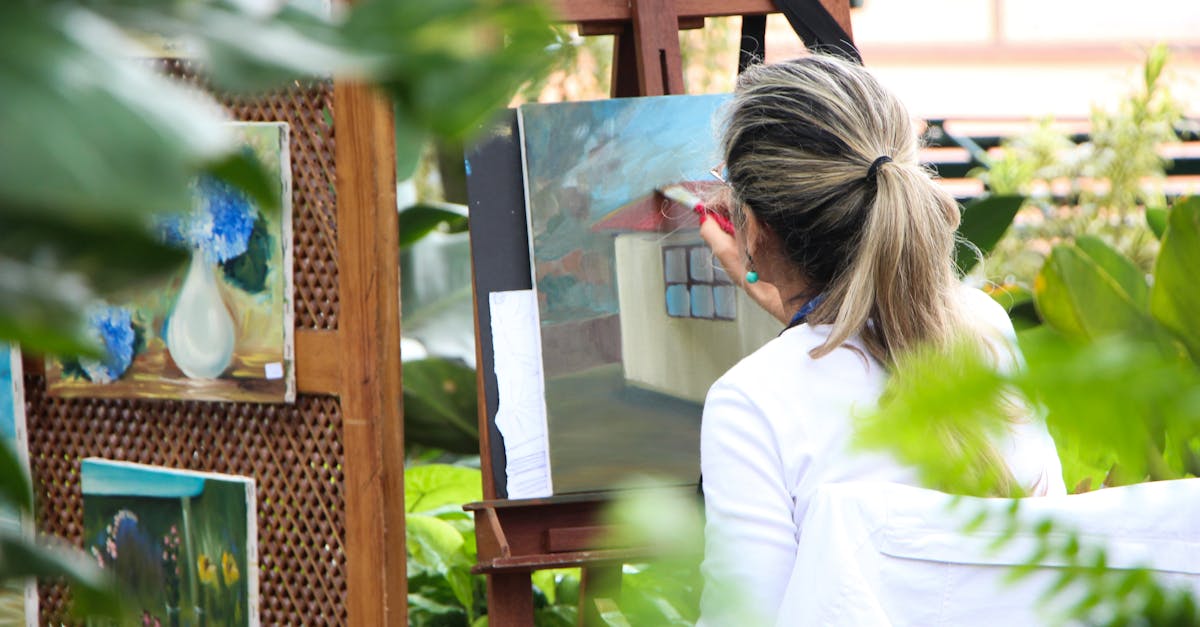
The artists who shaped the image of Italian maritime life before the mass adoption of photography often came from a context where the navy and trade in the Mediterranean dominated everyday life. One of the iconic names is that of Giovanni Antonio Canal, better known as Canaletto, famous for his precise and vibrant views of Venetian ports. His ability to capture light, reflections on the water, and daily life on the quays, left behind a colossal body of work which today serves as a historical reference. Other painters like Marco Ricci or Luca Carlevarijs have also contributed to this pictorial memory, by capturing the vitality of fishing villages, commercial shipping, or even the bad weather of the Adriatic Sea. Their influence goes beyond the simple aesthetic framework, since it shapes the collective perception of this era by preserving precise details, sometimes even down to the texture of shells or the complexity of ship ropes.
discover the art of painting with our selection of techniques and inspirations. Explore the different styles, tips and tutorials to unleash your creativity and bring your ideas to life on canvas.

LECTURE SUGGÉRÉE
Jessica’s transformation: from her experience with France Travail to her passion for photography, a new beginning full of meaning
In a career marked by a desire for renewal, Jessica has transformed her professional experiences…
LIRE L'ARTICLE
The role of painting in evoking maritime memory is due not only to the fidelity of the subjects depicted, but also to the mastery of artistic techniques. Painters often used atmospheric perspective to enhance the depth of the maritime landscape, while playing with light to accentuate the movement and brilliance of the water. The palette remained faithful to natural colors, with deep blues and burnt golds, emphasizing the picturesque and dramatic aspect of the scenes. The mastery of color shifting, particularly through the sfumato technique or the judicious use of brushstrokes, brought to life the waves, the sails billowing in the wind, or the reflections of the sun on the surface of the sea. The paintings are also characterized by a composition often centered on a focal point, such as a ship adorned with its sails unfurled or a bustling harbor, thus creating an impression of movement and vitality. These artistic choices, far from being purely decorative, play a fundamental role in transmitting emotion and preserving collective memory. Discover the art of painting through varied techniques, captivating styles, and inspiring ideas. Immerse yourself in a colorful world where each brushstroke tells a unique story.
Collective Memory through Painting: Examples and Symbolism

Appearance
Description

Paolo Pellegrin exhibits at the Galerie de l’Instant: harmony in disorder, a photographic exploration of tension
Contents Introduction: The Shifting Universe of Paolo Pellegrin at Galerie de l’Instant In 2025, Galerie de l’Instant invites the public…
CONTINUER LA LECTUREHistorical Accuracy
| Artists sought to accurately depict maritime life, incorporating details such as boat types, clothing, and navigation techniques, in order to preserve a reliable visual record for future generations. | Cultural Transmission |
|---|---|
| The works often served as a form of collective memory, transmitting values, beliefs, and customs related to maritime life to reinforce a sense of local and national identity. | Emotion and Symbolism |
| Beyond simple description, maritime painting evokes feelings of courage, danger, or pride, connecting the scene to a universal emotion inscribed in the collective memory. | Painting, a visual archive of Italian maritime life committed to tradition |
| Maritime painting has always been much more than a simple decorative art; it embodies a true visual archive, preserving the memory of a tradition deeply rooted in Italian culture. It bears witness to the navigation, techniques, traditions, and celebrations that punctuated the lives of fishermen, sailors, and coastal artisans. For example, the port of Naples, with its colorful sails and characteristically shaped boats, appears repeatedly in several works, illustrating this unbreakable link between history, practice, and art. Technical mastery also allows the authenticity of these traditions to be brought to the surface, inscribing emblematic figures, gestures, and objects that are now venerated in the collective memory. Painting thus becomes a true artistic heritage, which, in addition to preserving history, still inspires today, as evidenced by certain exhibition projects such as those proposed by | clichovia |
. A Contemporary Vision: From Maritime Past to Modern Memory
At the dawn of the 21st century, the perspective on Italy’s maritime tradition has taken on a new dimension, with painting becoming a bridge between past and present. Digitization, photography, and contemporary art have largely supplanted painting as a means of documentation, but the need to preserve this memory remains. Painting, even today, continues to inspire artists who revisit these ancient scenes with a contemporary or innovative perspective, as demonstrated by current exhibitions or the works of artist Shijia Song. Projects such as Mangrove Theatre and Portraits of Ernaux demonstrate a constant desire to merge historical memory and new artistic expression. Painting thus remains an essential vehicle for evoking navigation, traditions, and the emotions associated with maritime life, embodying a living memory accessible to all.Frequently Asked Questions (FAQ)
How does painting help preserve Italian maritime memory?
By visually transcribing the daily lives of sailors, their boats, their traditions, and their emotions, painting becomes an effective tool for memory preservation, especially before the arrival of photography. Which artists have left their mark on the representation of Italian maritime life?Canaletto, Luca Carlevarijs, and Marco Ricci have left a lasting mark through the precision and emotional richness of their works, embodying the soul of Italian navigation. Does maritime painting have symbolic value today? Absolutely, it still embodies the profound relationship between man and the sea, tradition, resilience in the face of storms, and the collective memory rooted in Italian culture. How does modernity influence the reinterpretation of this pictorial tradition? Contemporary artists revisit these ancient scenes using innovative techniques, blending tradition and modernity, to continue transmitting this living memory in a digital context. Source: